
pashai.

Pashai communities have deep roots in Afghanistan,
especially across the green valleys of the east,
with a rich heritage of mountain and river life.
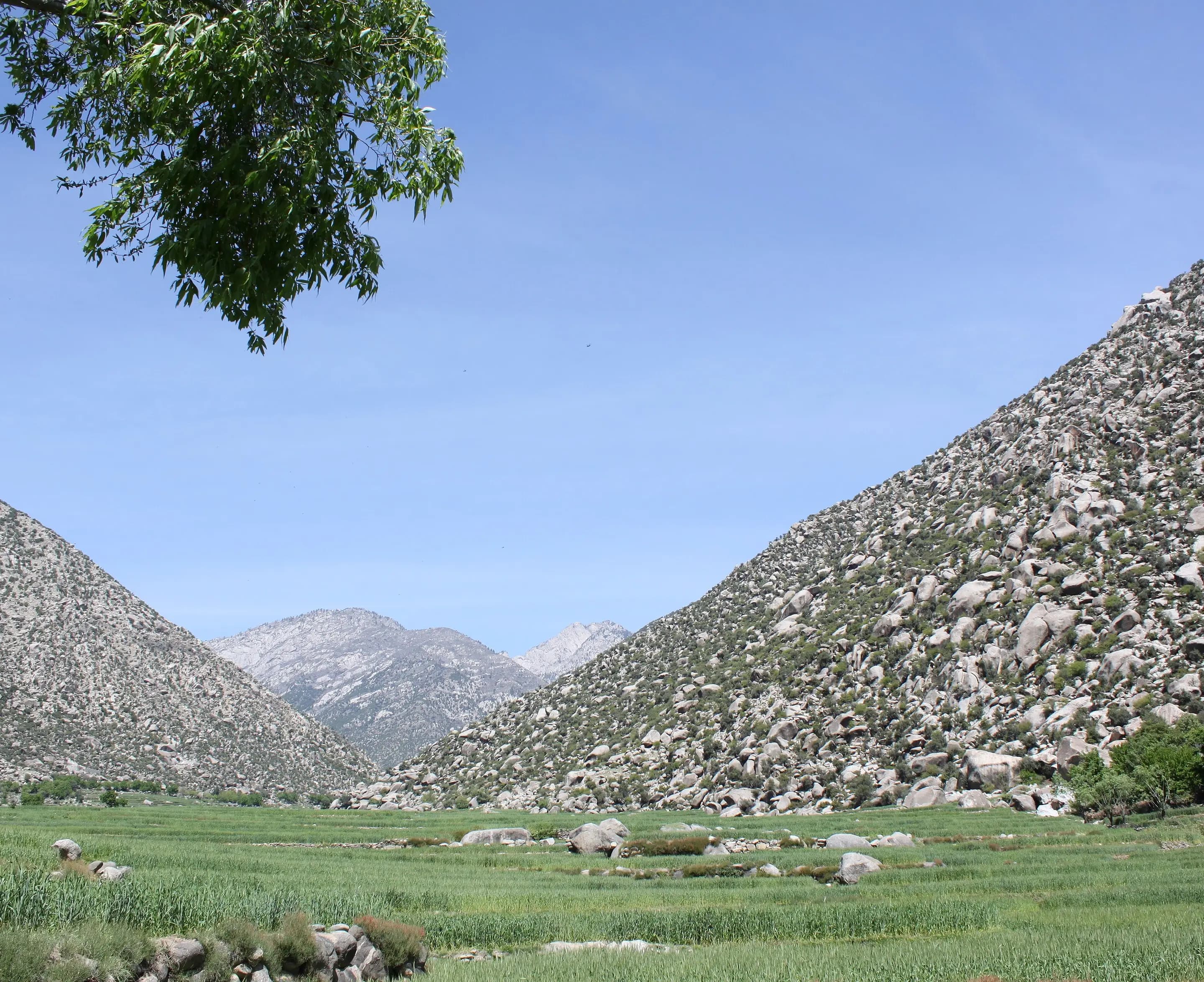
Green fields beneath boulder-strewn mountains in the Dara-i-Nur valley, Nangarhar, 2010

who they
are

Pashai heritage brings together Pashayi languages, village life in eastern valleys and long traditions of farming, craft and hospitality.
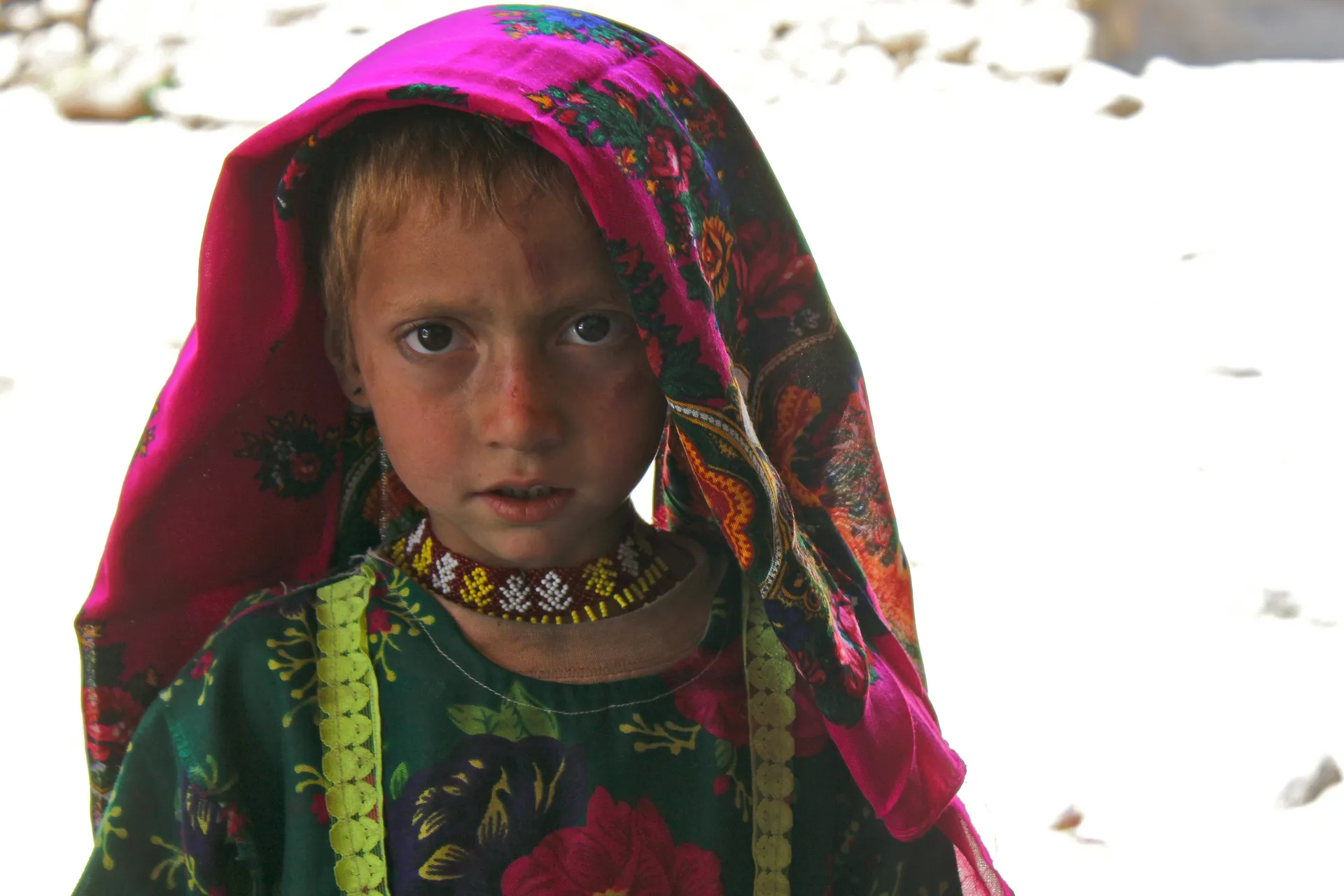
A young Pashai girl in a brightly patterned headscarf and beaded necklace in Dara-i-Nur, Nangarhar, 2010

pashai heritage

A longstanding community with deep ties to eastern Afghanistan and a cultural presence in valleys, villages and towns across Laghman, Nangarhar, Kunar and Kapisa.Where They Live
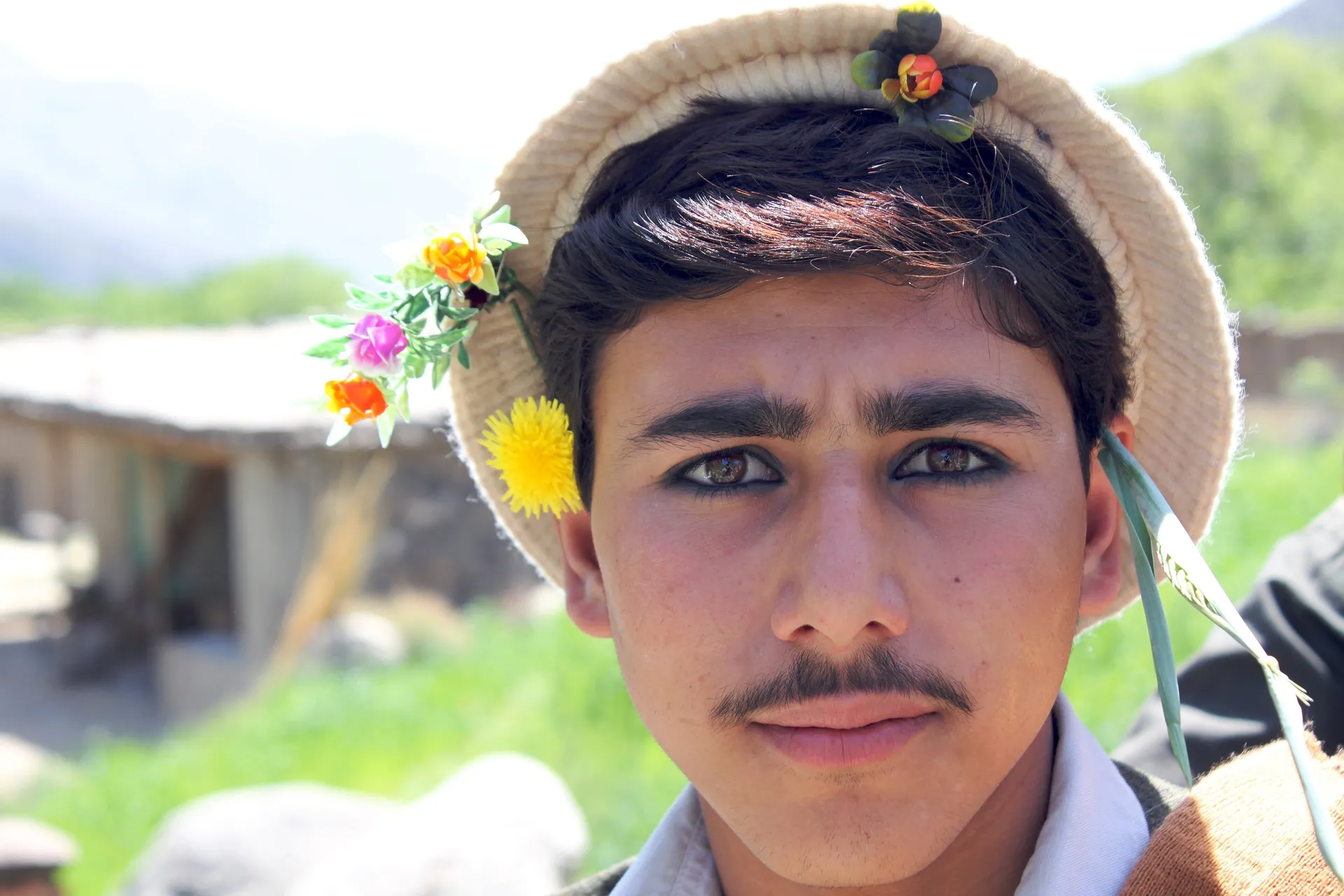
A young Pashai man with flowers tucked into his wool cap in the fields of Dara-i-Nur, Nangarhar, 2010

language
pashayi

Pashayi languages are central to Pashai identity, with varieties differing from valley to valley. Dari and Pashto may also be spoken depending on region.Community Life
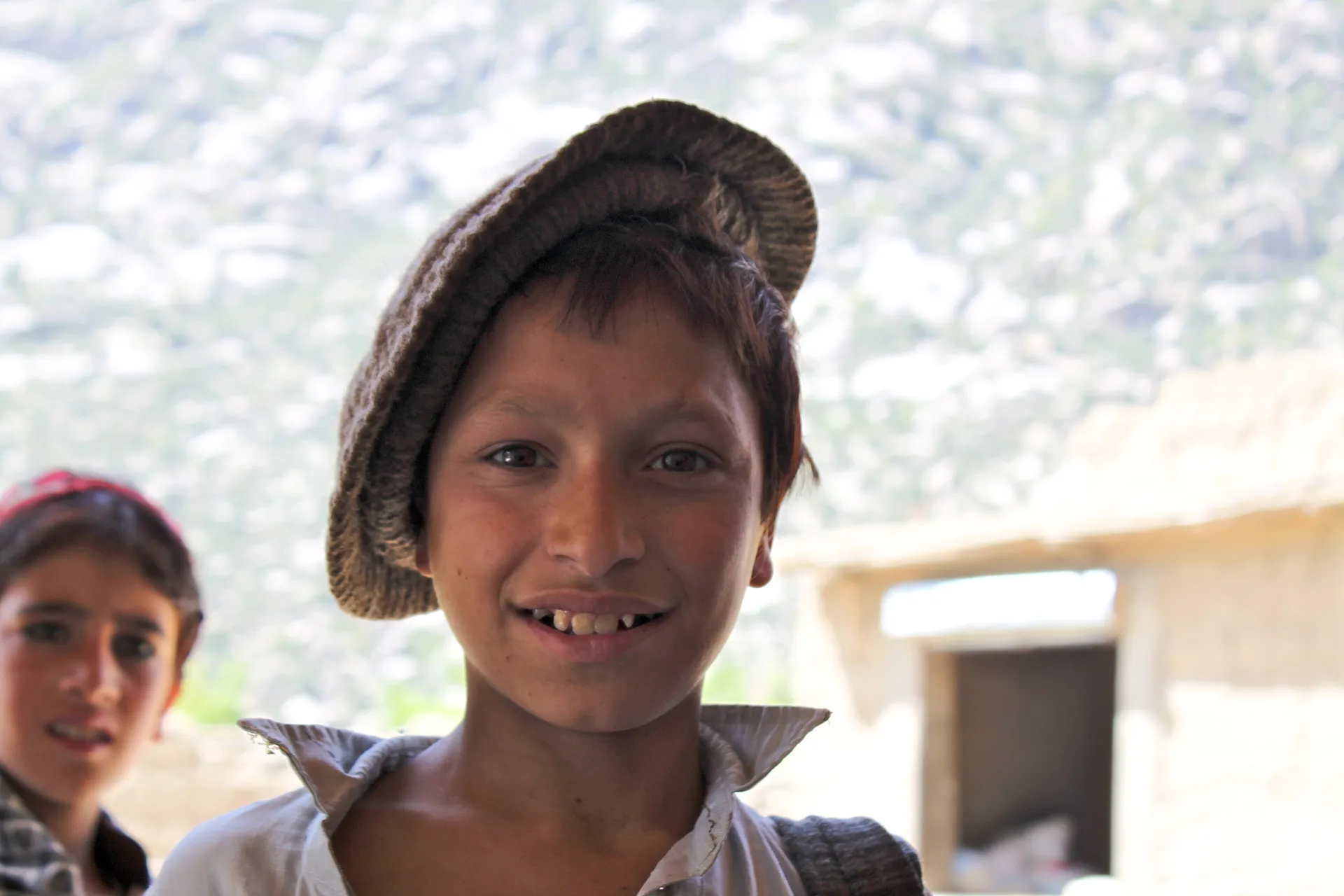
Pashai boys wearing distinctive rolled wool caps in Dara-i-Nur, Nangarhar, 2010

valley life

Terraced fields, orchards, rivers and mountain slopes shape everyday life, local customs and seasonal work in many Pashai communities.Traditional Clothing
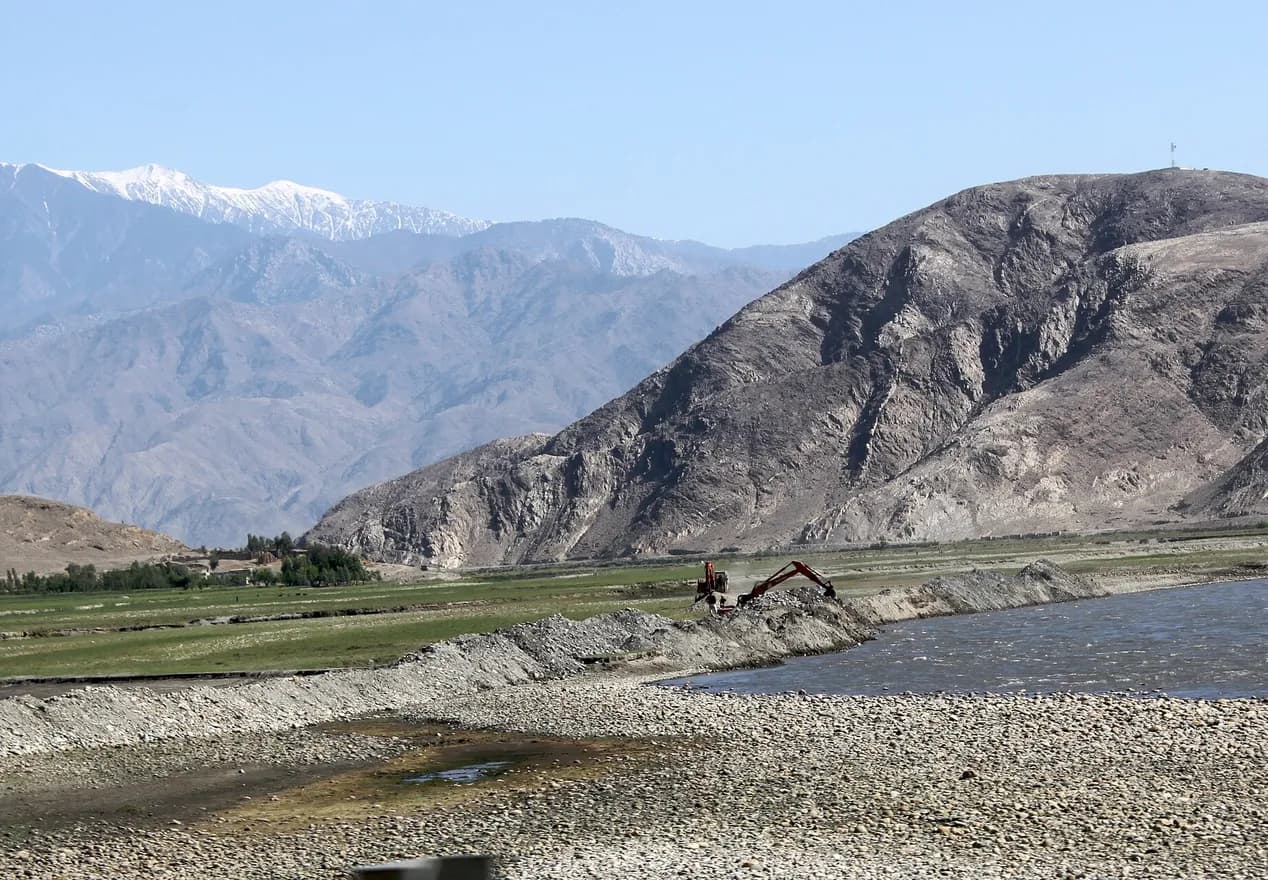
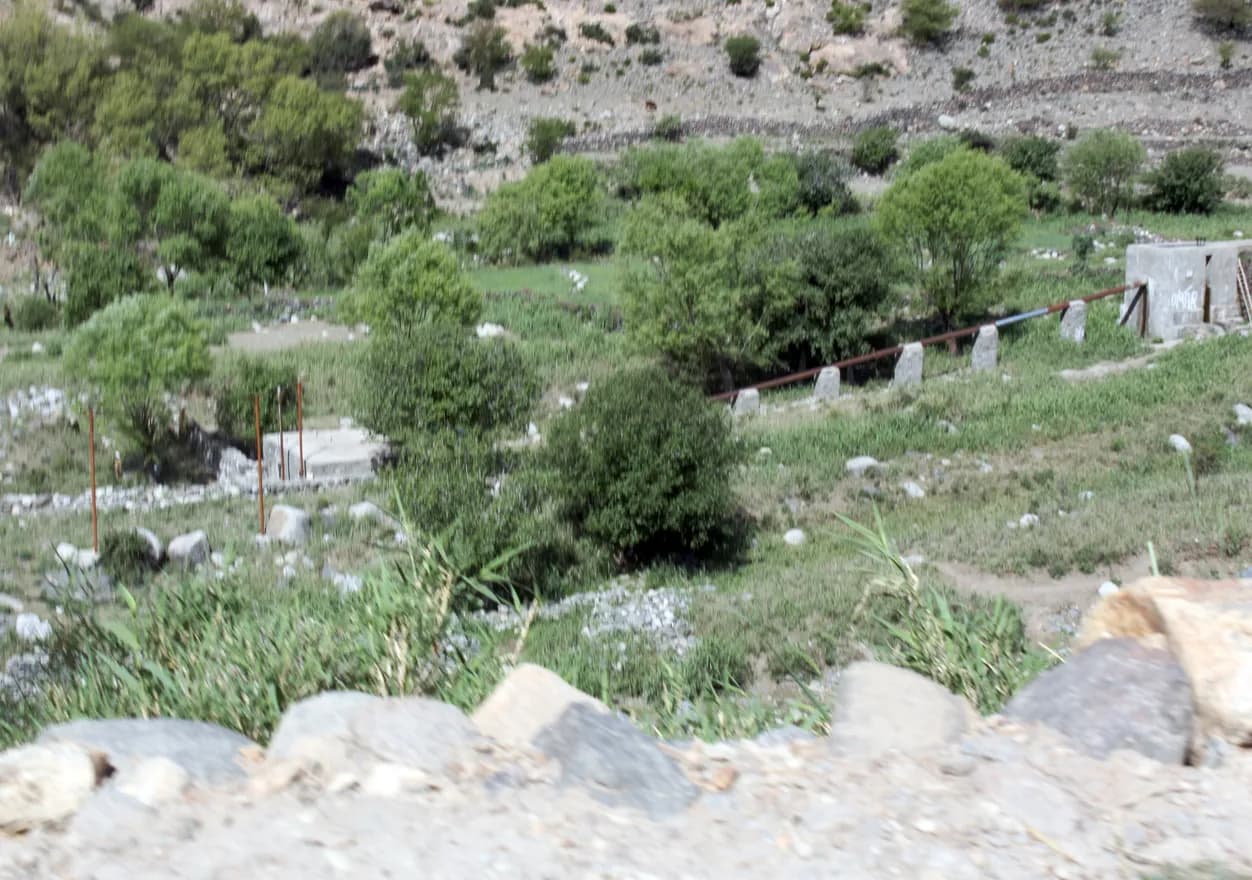
A river valley with green fields along the road from Jalalabad to Dara-i-Nur, Nangarhar, 2010
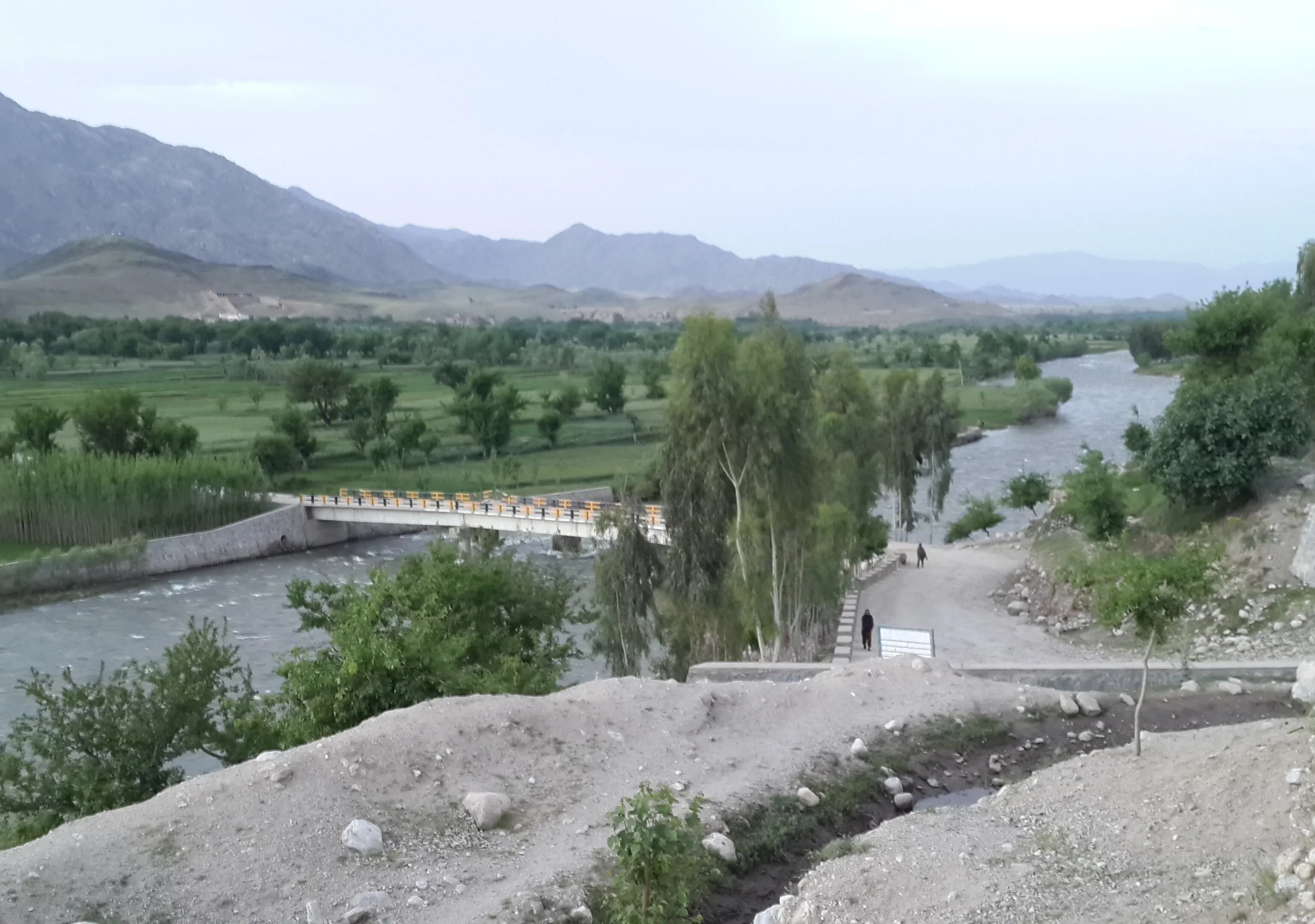
A bridge over the Alingar River between Alingar and Mihtarlam districts, Laghman, 2015
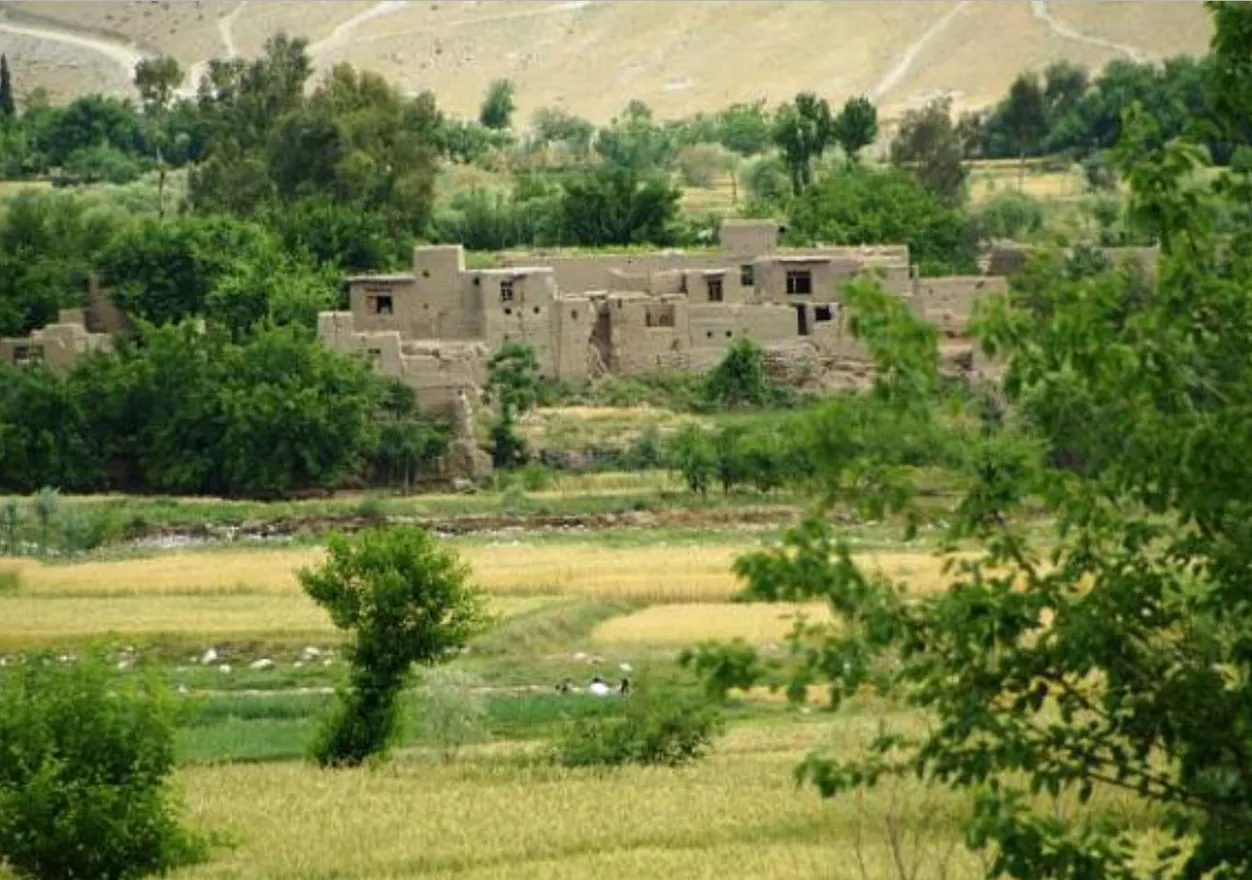
Mud-brick houses among fields and trees at Qalacha in the Laghman valley
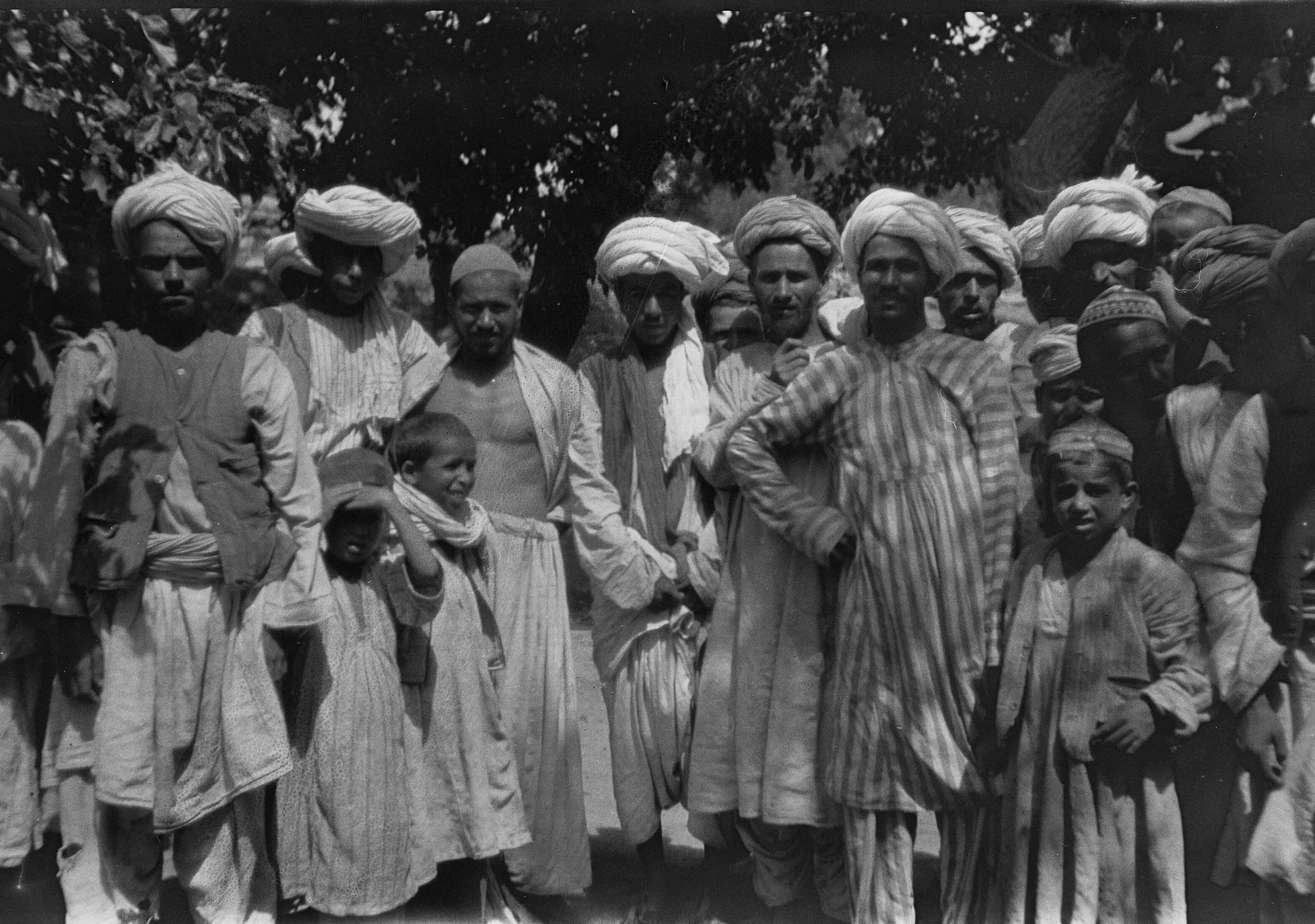
A group of Pashai children and young men in Gulbahar, north of Kabul, photographed by linguist Georg Morgenstierne in 1924
Houses and terraced gardens on a hillside in the Dara-i-Nur valley, Nangarhar, 2010

WHERE THEY LIVE. Pashai communities live mainly in eastern Afghanistan, including Laghman, Nangarhar, Kunar, Kapisa and nearby valleys such as those of the Alingar and Alishing rivers. Communities also live in other parts of the country.

E

EASTERN AFGHANISTAN
Strong historic presence

PSH

PASHAYI
Languages at the heart of identity

LGM

LAGHMAN
Valleys of the east

KNR

NANGARHAR, KUNAR & KAPISA
Communities across the region

tra­di­tion­al cloth­ing

clothing & regional styles

Traditional outfits may include long shirts and loose trousers,
worn with vests, wool caps or turbans, and shawls or blankets in cooler months.

Long dresses with trousers and headscarves are common traditional forms,
often in rich colors with embroidery, beadwork and silver jewelry.

Fabrics, colors and stitchwork vary from valley to valley;
wool and woven textiles reflect life between the riverbanks and mountain villages.

Weddings and family celebrations may feature festive clothing,
including embroidered garments, colorful scarves and jewelry in some regions.

community
and values

An elder in a white turban among village elders gathered at the local mosque in Alingar District, Laghman, 2015
Ties

Practices vary by region and family.

Hospitality

Welcoming guests

Tea

In many Pashai communities, welcoming guests with tea, bread and a shared meal is a valued tradition. Customs vary by valley and household.

Family Ties

Across generations

Kin

Many families maintain close ties across generations, offering support and sharing celebrations. Relationships and responsibilities vary by household.

Respect for Elders

Experience & guidance

Care

Traditionally, elders are often valued for their experience and guidance. Families express this respect in different ways.

Village Life

Everyday community life

Life

Greetings, shared farm work, orchards and seasonal harvests shape daily life in eastern valleys. Practices differ between villages and families.

Community Traditions

Shared cultural heritage

Ties

In many communities, music, storytelling and family gatherings help pass cultural knowledge between generations.

traditions
& cultural identity

Pashai cultural heritage includes Pashayi languages, songs and stories, valley farming and community traditions, many shared with other Afghan communities. Their expression varies by valley, region and family.

PASHAYI LANGUAGES

Local Pashayi varieties, songs and sayings help carry cultural knowledge between generations.

HOSPITALITY

Welcoming guests is a valued tradition in many Pashai communities.

VALLEY FARMING

Terraced fields, orchards and rice paddies reflect generations of life along eastern rivers.

MUSIC & ORAL TRADITION

Folk music, poetry and storytelling connect generations through shared stories.

FAMILY CELEBRATIONS

Weddings, Eid gatherings and seasonal visits bring relatives and neighbors together.

REGIONAL CUSTOMS

Local traditions reflect the diversity of Pashai communities across eastern Afghanistan.