nuristani.

Nuristani communities have deep roots in Afghanistan,
especially in the mountain valleys of the east,
with a rich heritage of highland life and craft.
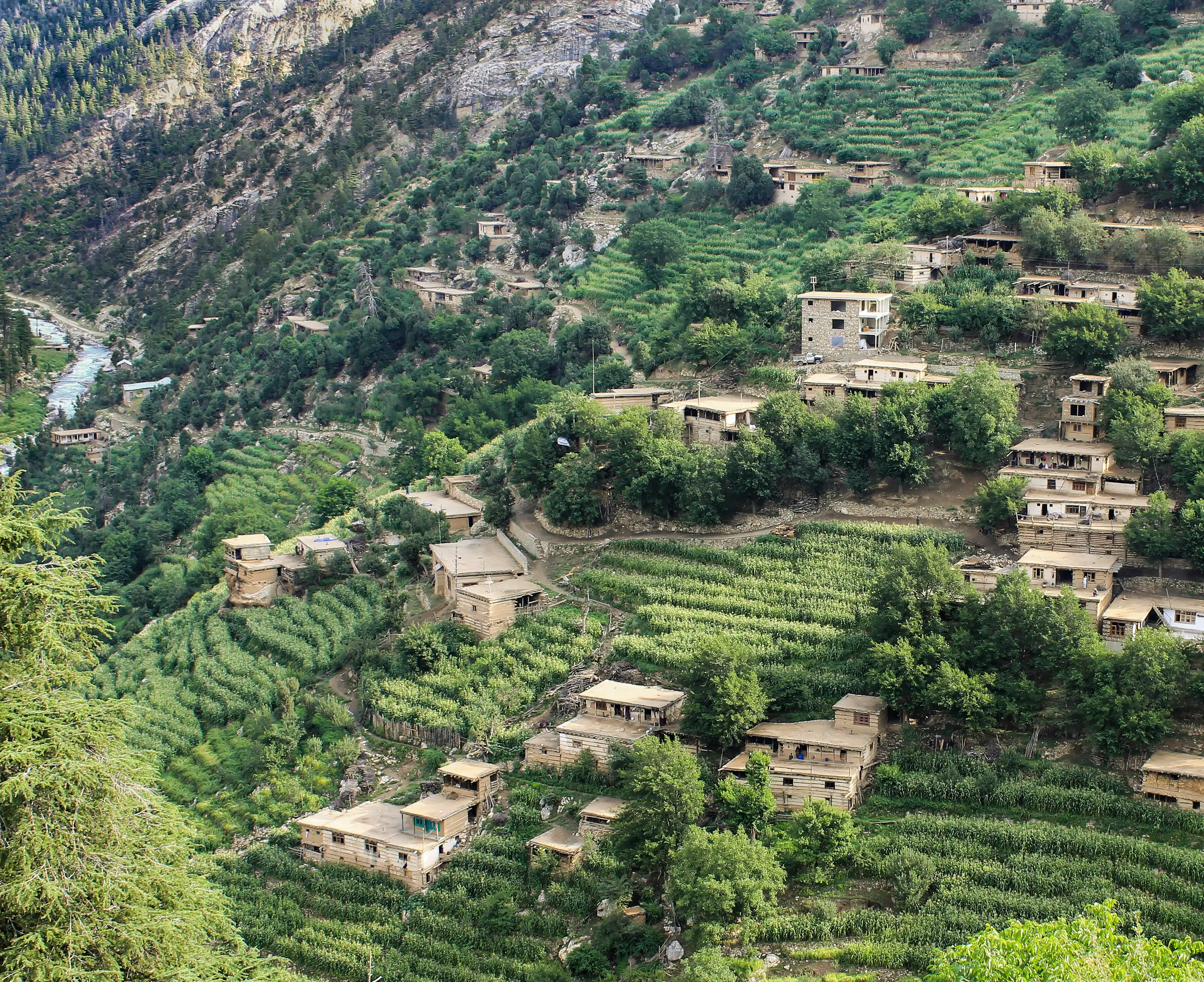
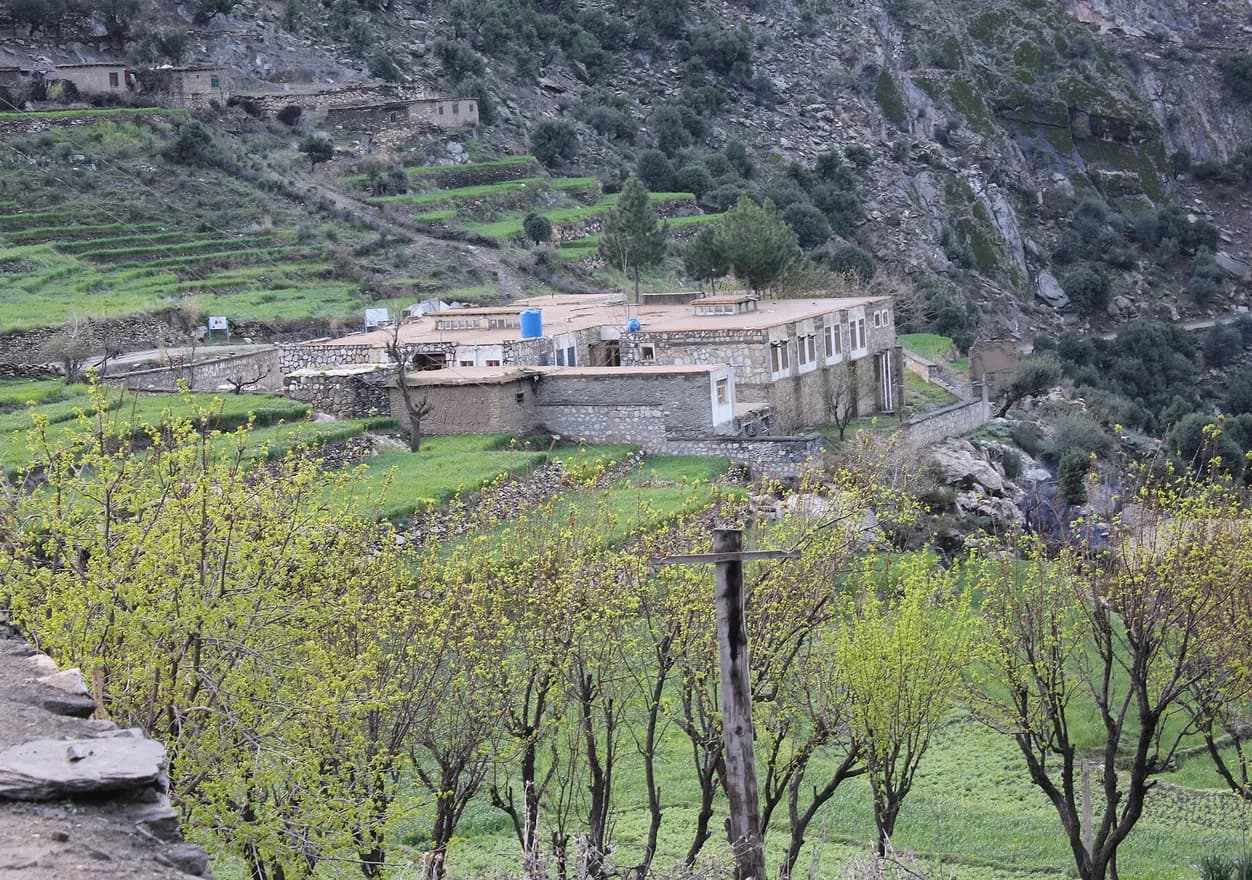
Stone and timber houses among terraced fields on a forested slope in Chitraas village, Wama District, Nuristan, 2013

who they
are

Nuristani heritage brings together valley communities, several distinct languages and a way of life shaped by the high mountains of eastern Afghanistan.
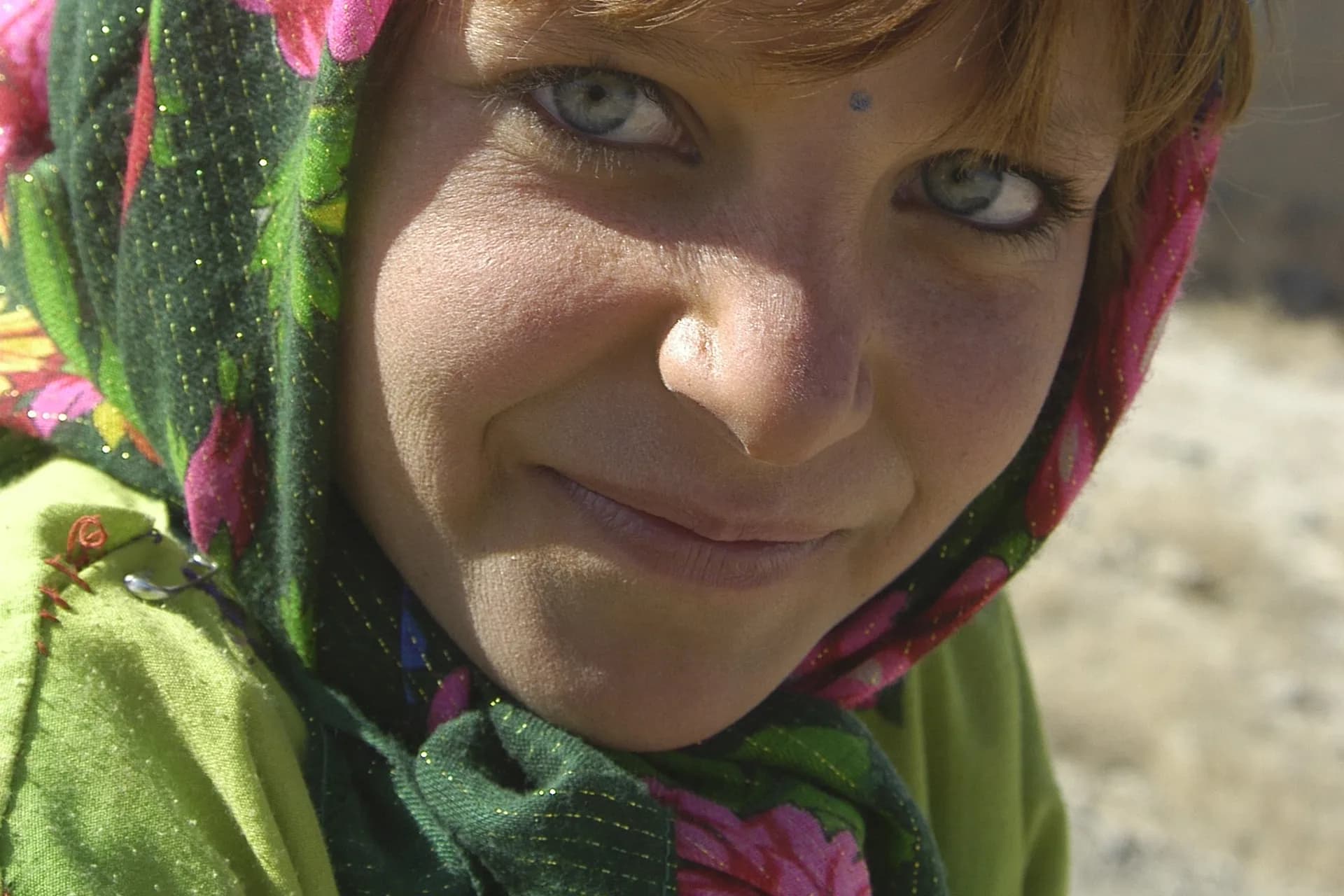
A young Nuristani girl in a pink and green headscarf, photographed in Kabul in 2002

nuristani heritage

A longstanding community closely associated with Nuristan Province, with villages built along forested valleys and steep mountain slopes.Where They Live
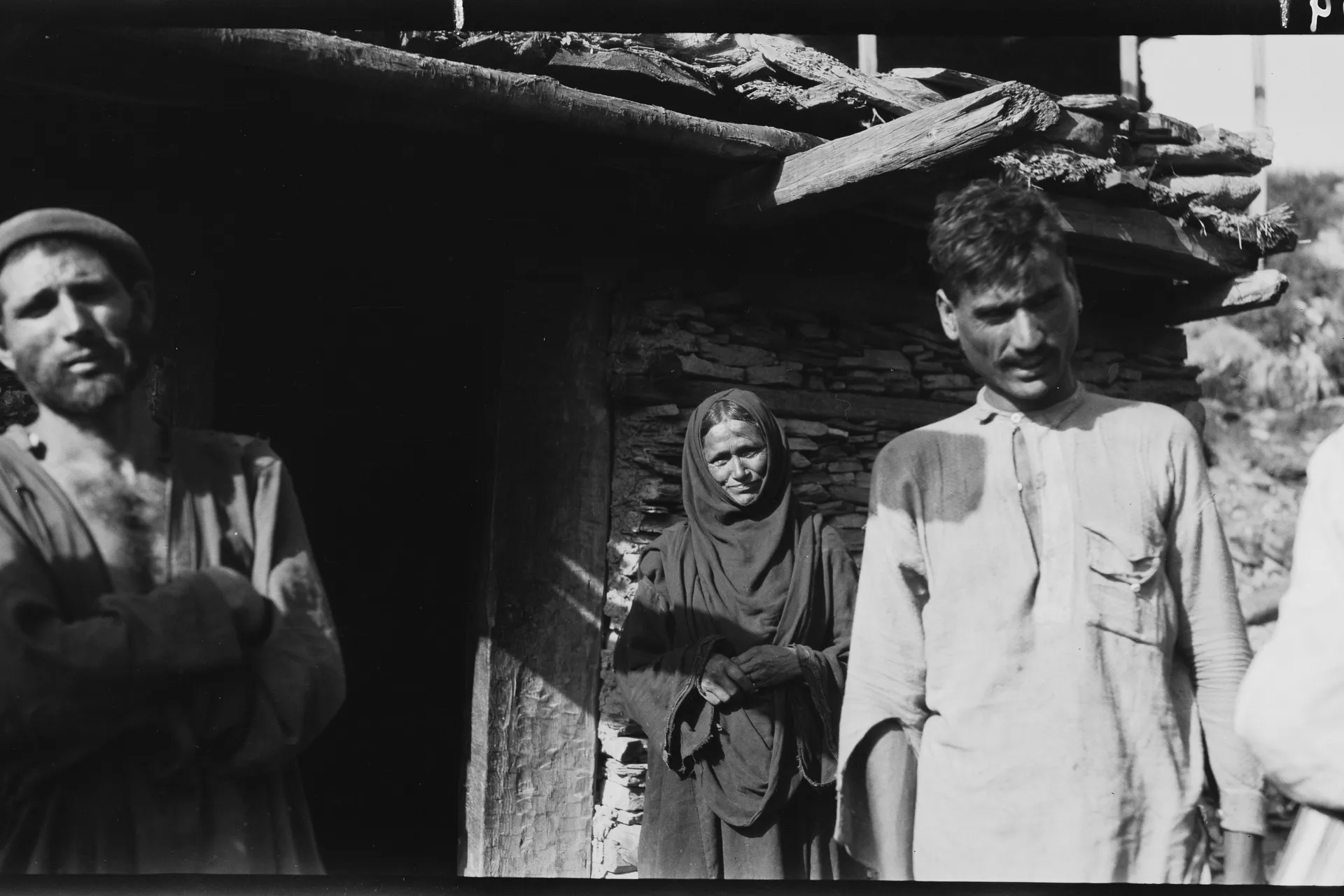
Kati men and a woman from the Bashgal valley of Nuristan outside a timber house, photographed by linguist Georg Morgenstierne in Chitral, 1929

many
languages

Several distinct Nuristani languages are spoken, often differing from one valley to the next. Dari or Pashto may also be used depending on location.Community Life
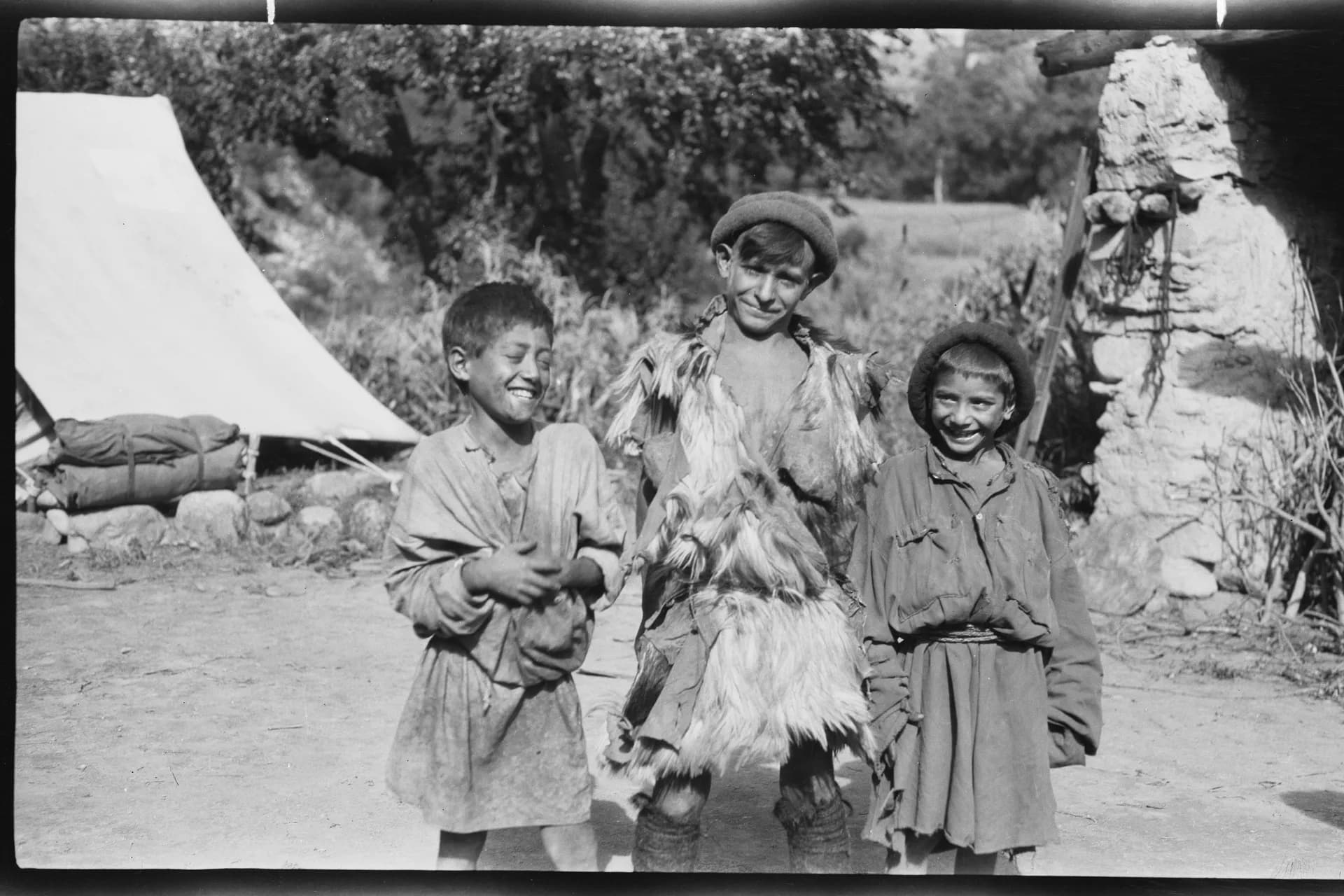
Three laughing Kati boys, one dressed in a goat skin, photographed by linguist Georg Morgenstierne in Urtsun, Chitral, 1929

valley communities

Each valley has its own local history, customs and ways of life, shaped by mountain farming, herding and close village ties.Traditional Clothing
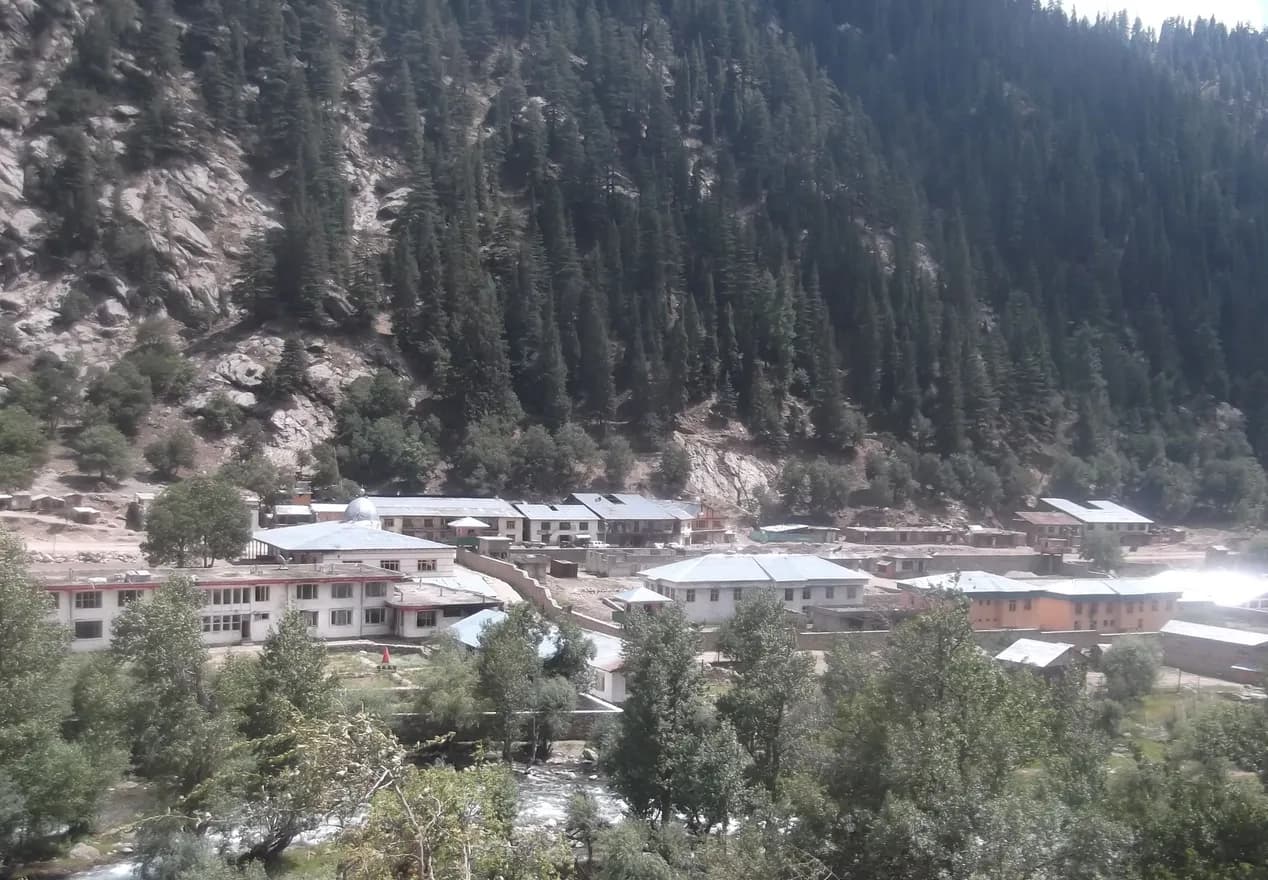
Village houses beneath forested mountains in the Parun valley, Nuristan, 2014
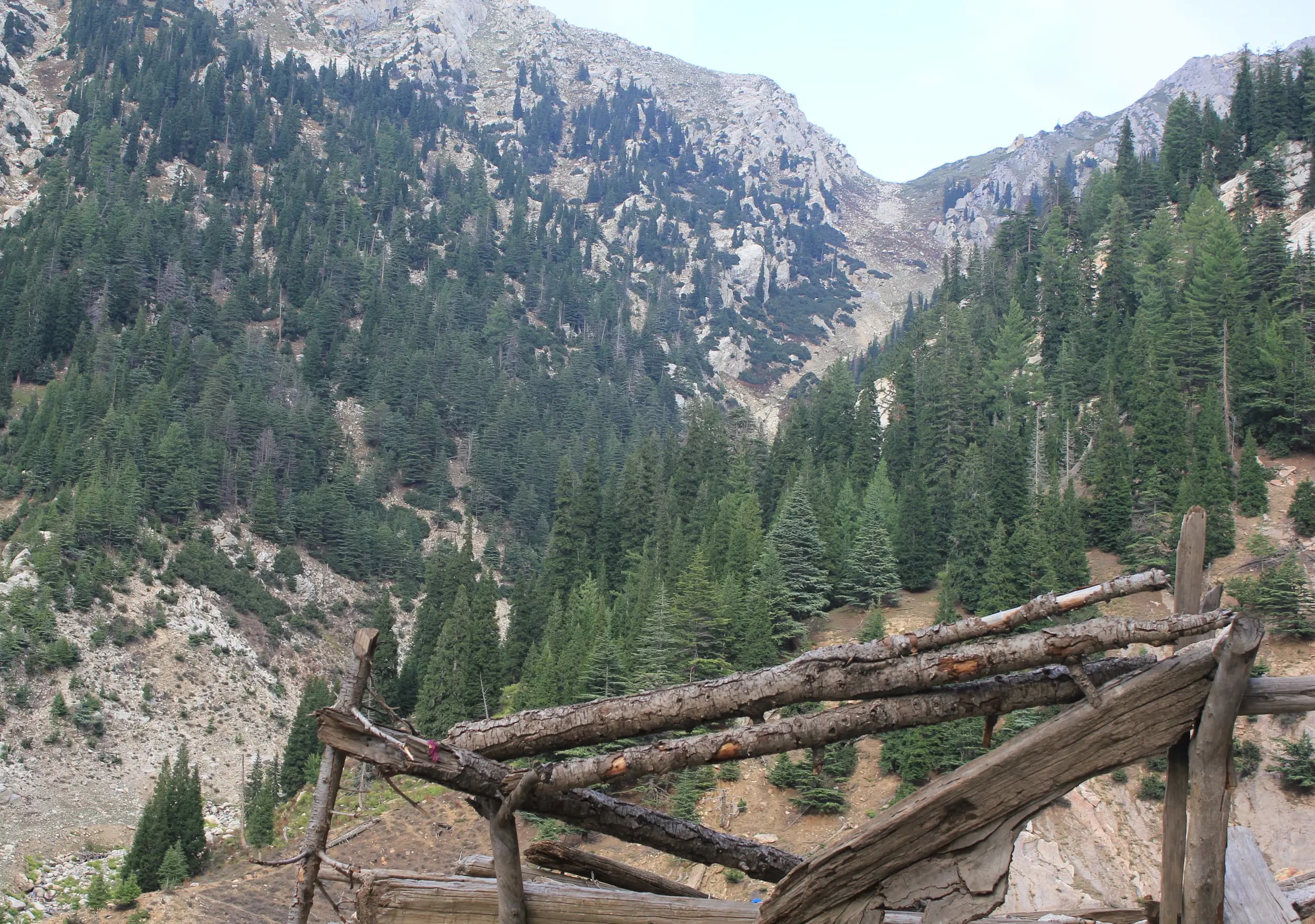
A wooden fence above a forested valley of pine and cedar near Chitraas, Wama District, Nuristan, 2013
Orchards and terraced fields around Want, the district centre of Waygal, Nuristan, 2012
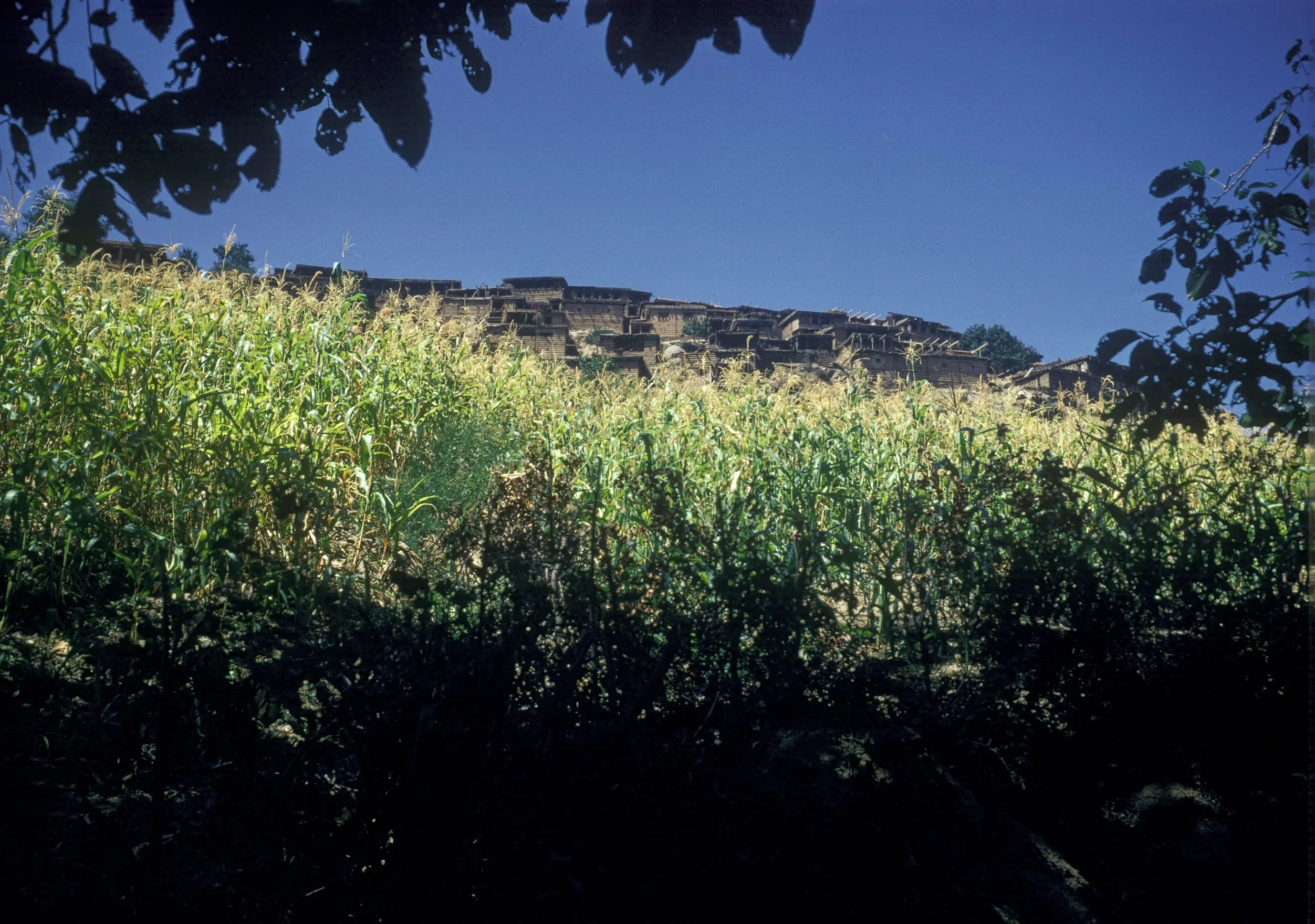
Kamdesh village on its ridge above a field in the Bashgal valley, Nuristan, 1968
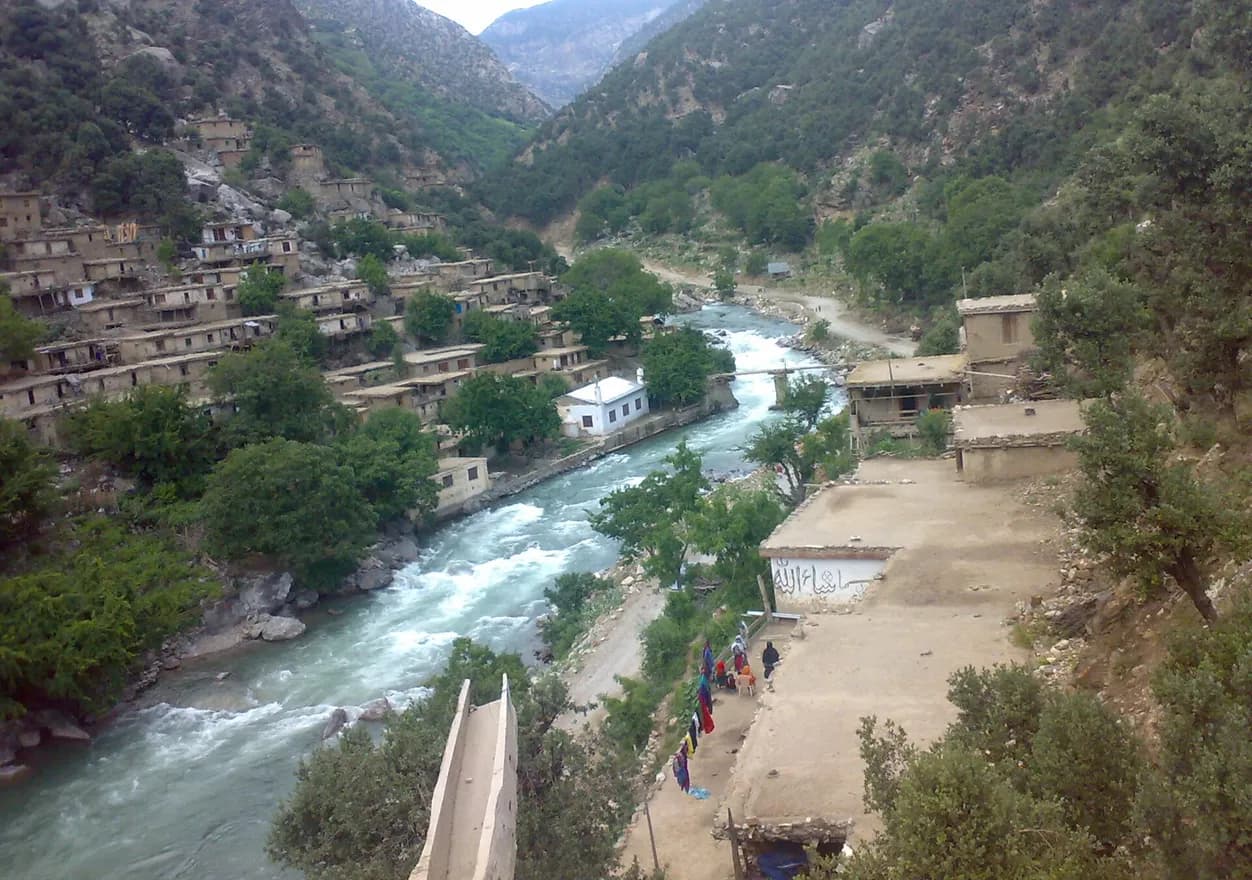
Stone houses stacked above a river and footbridge in Wama, Nuristan

WHERE THEY LIVE. Nuristani communities are strongly associated with Nuristan Province and the mountainous valleys of eastern Afghanistan, including neighboring areas of Kunar and Laghman. Communities also live in other parts of the country.

E

EASTERN AFGHANISTAN
Mountain valley homeland

NL

NURISTANI LANGUAGES
Several distinct languages

NUR

NURISTAN
Forested high valleys

KNR

KUNAR & LAGHMAN
Communities across the east

tra­di­tion­al cloth­ing

clothing & regional styles

Traditional outfits may include long shirts and trousers,
worn with wool vests or coats, rolled wool caps and warm layers in the mountains.

Long dresses with trousers and headscarves are common traditional forms,
often with embroidery, beadwork and silver jewelry in some valleys.

Fabrics, colors and stitchwork vary from valley to valley;
hand-spun wool and woven textiles reflect life in the high, cool mountains.

Weddings and family celebrations may feature festive clothing,
including embroidered garments, colorful scarves and jewelry in some communities.

community
and values

Wodi (Khan Muhammad) from Sarici in the Prasun valley of Nuristan, photographed in Chitral, 1929
Ties

Practices vary by valley and family.

Hospitality

Welcoming guests

Tea

In many Nuristani communities, welcoming guests with tea, bread and a shared meal is a valued tradition. Customs vary by valley and household.

Family Ties

Across generations

Kin

Many families maintain close ties across generations, offering support and sharing celebrations. Relationships and responsibilities vary by household.

Respect for Elders

Experience & guidance

Care

Traditionally, elders are often valued for their experience and guidance in village life. Families express this respect in different ways.

Mountain Life

Everyday community life

Life

Terraced fields, orchards, herding and seasonal work shape daily life in the high valleys. Practices differ between villages and families.

Community Traditions

Shared cultural heritage

Ties

In many communities, woodcarving, music, shared labor and family gatherings help pass cultural knowledge between generations.

traditions
& cultural identity

Nuristani cultural heritage includes distinct languages, carved wooden architecture, music and community traditions, many shared with other Afghan communities. Their expression varies by valley, village and family.

NURISTANI LANGUAGES

Several distinct languages and local dialects help carry cultural knowledge between generations.

HOSPITALITY

Welcoming guests is a valued tradition in many Nuristani communities.

WOODCARVING

Carved wooden doors, pillars and household items are a celebrated part of Nuristani craft heritage.

MOUNTAIN VILLAGES

Stone and timber homes built along steep slopes reflect generations of life in the valleys.

MUSIC & ORAL TRADITION

Folk music, songs and storytelling connect generations through shared stories.

VALLEY CUSTOMS

Local traditions reflect the diversity of Nuristani communities across the east.