Nuristani communities have deep roots in Afghanistan,
especially in the mountain valleys of the east,
with a rich heritage of highland life and craft.
who they
are
Nuristani heritage brings together valley communities, several distinct languages and a way of life shaped by the high mountains of eastern Afghanistan.
nuristani heritage
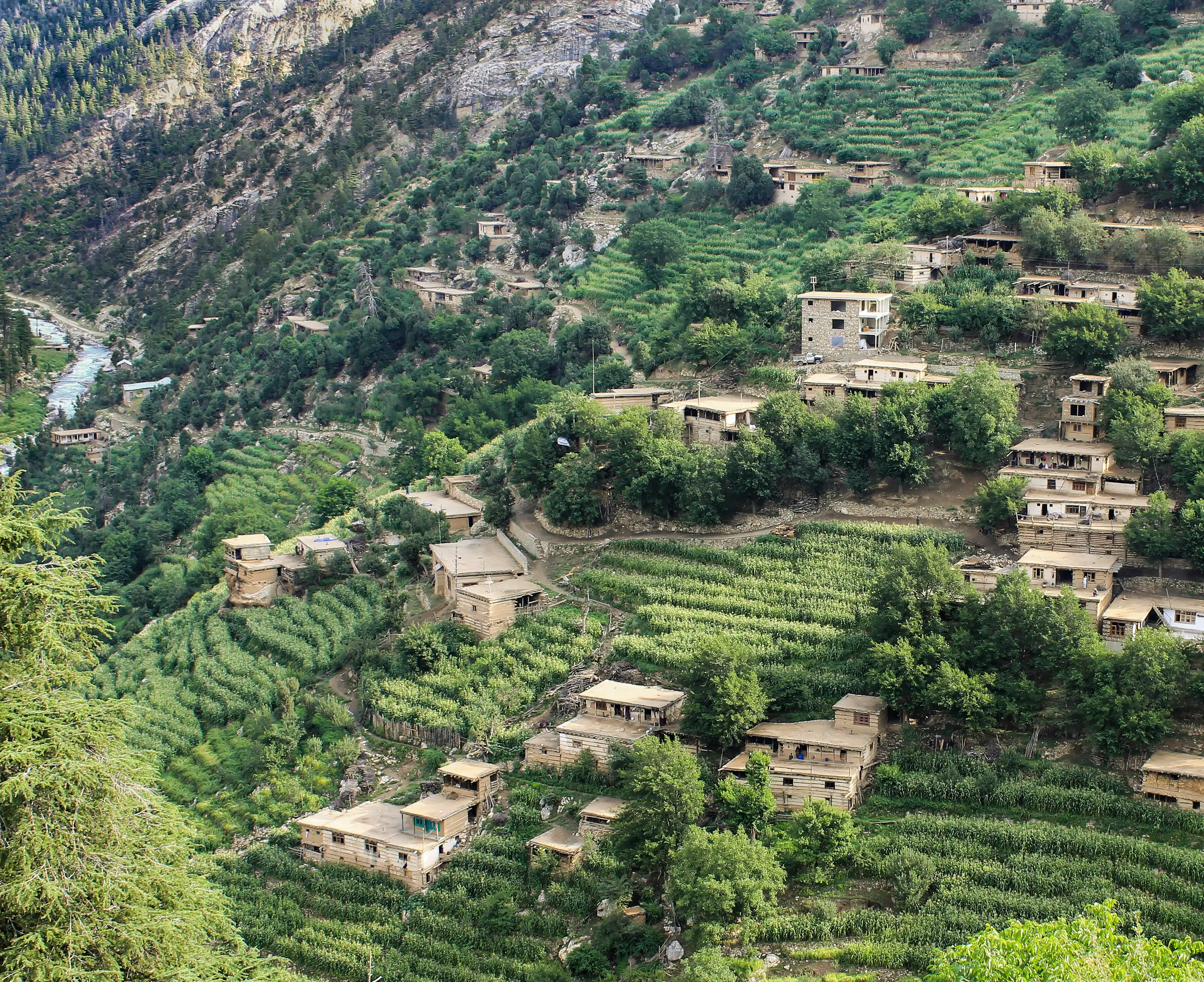
A longstanding community closely associated with Nuristan Province, with villages built along forested valleys and steep mountain slopes.Where They Live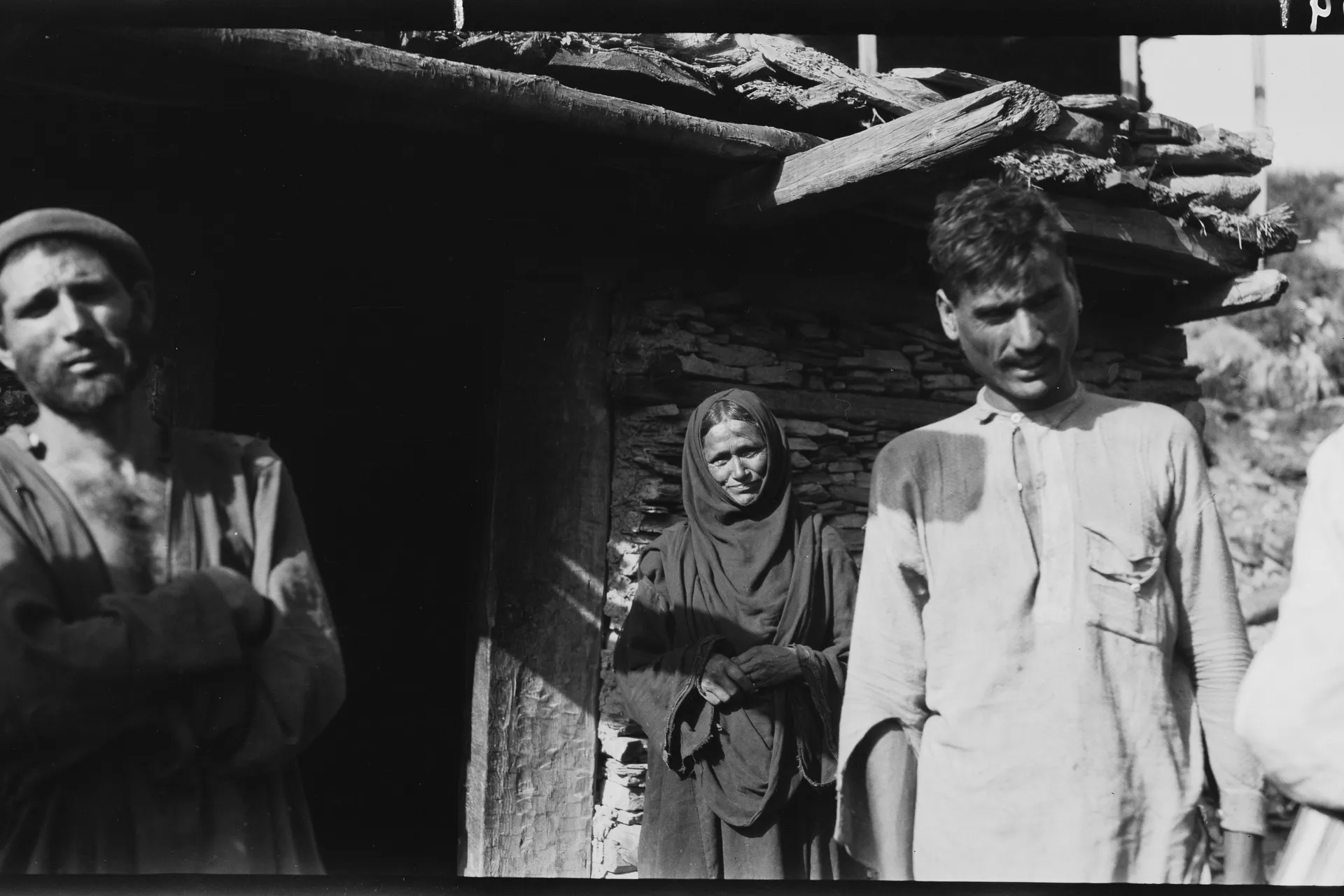
many
languages
Several distinct Nuristani languages are spoken, often differing from one valley to the next. Dari or Pashto may also be used depending on location.Community Life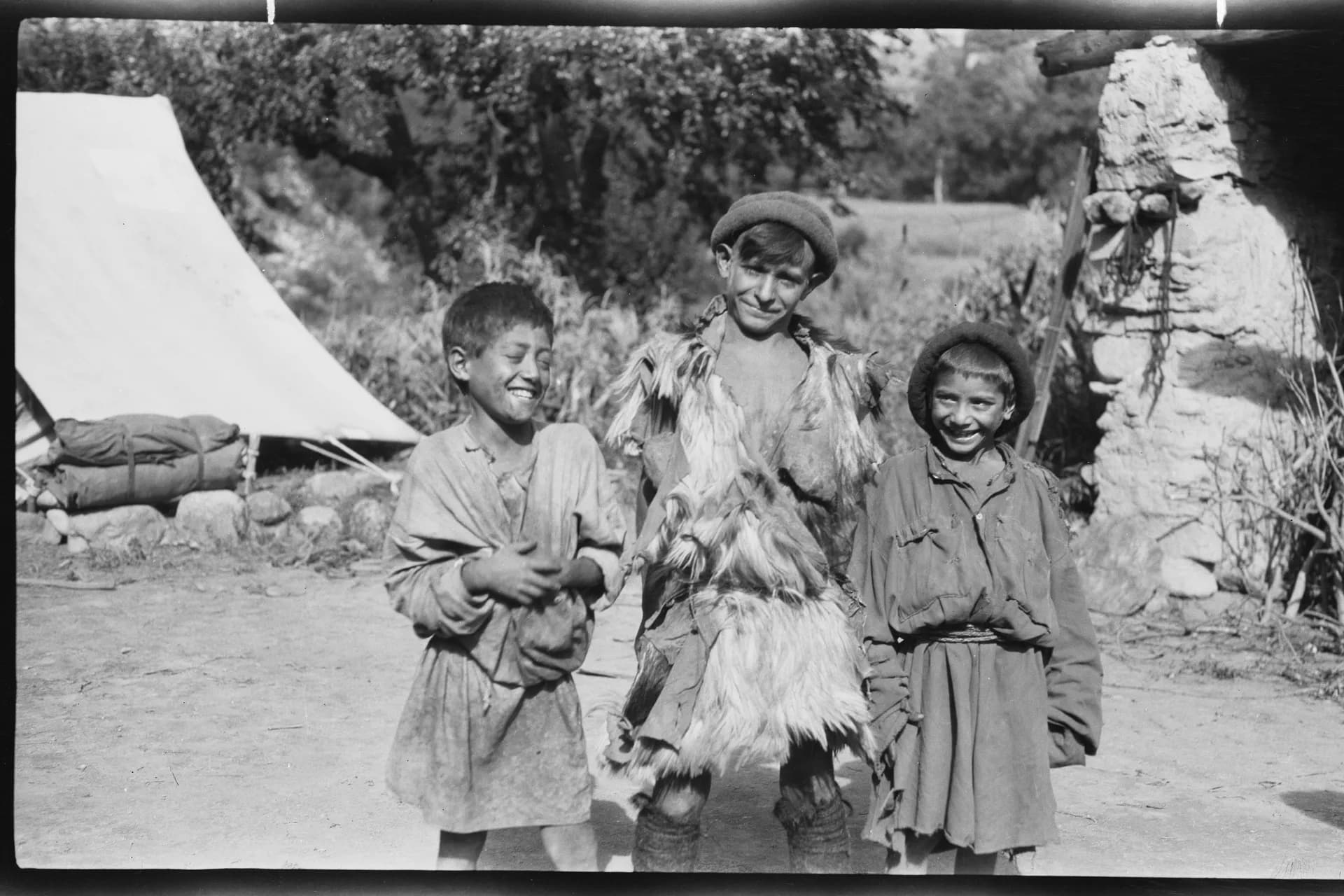
valley communities
Each valley has its own local history, customs and ways of life, shaped by mountain farming, herding and close village ties.Traditional Clothing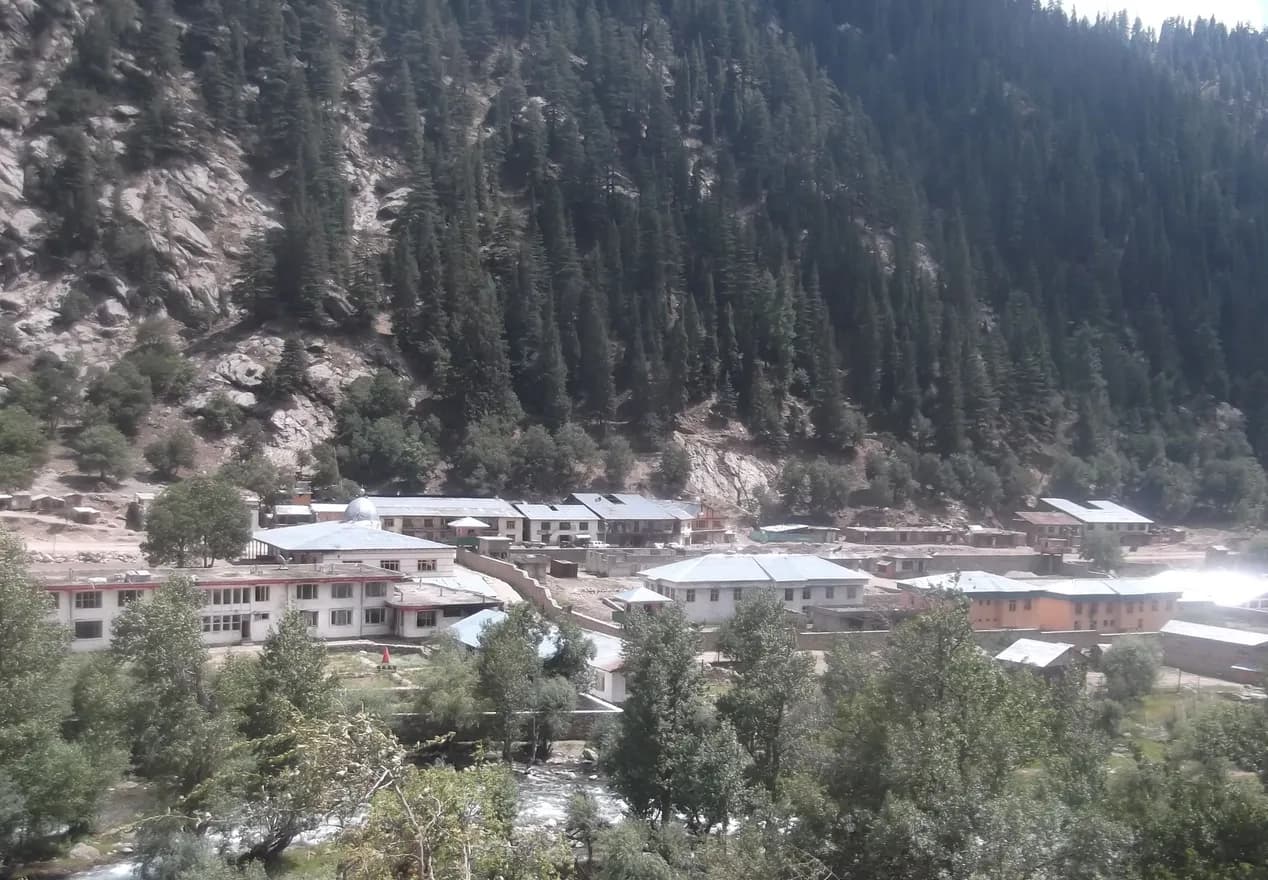
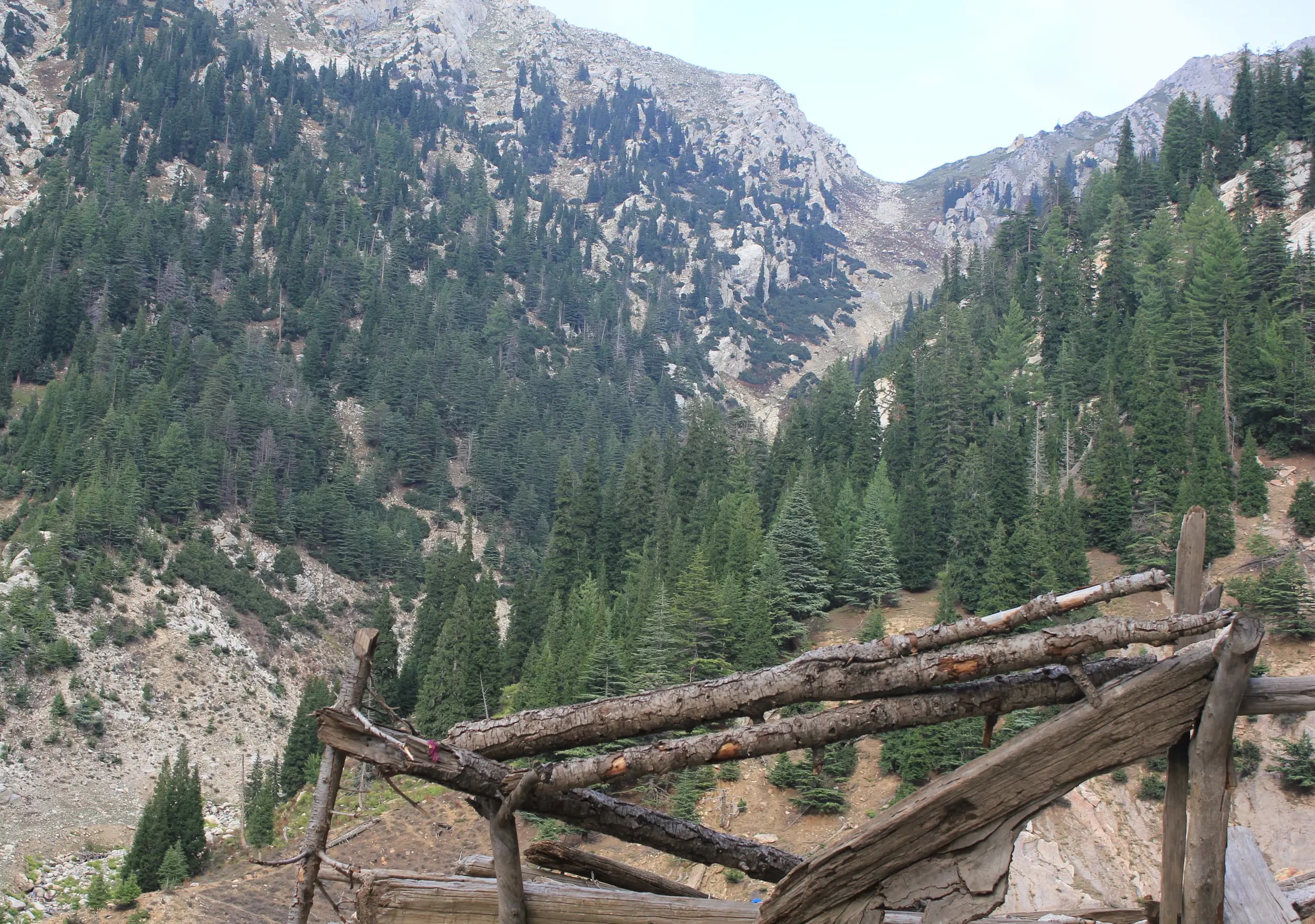
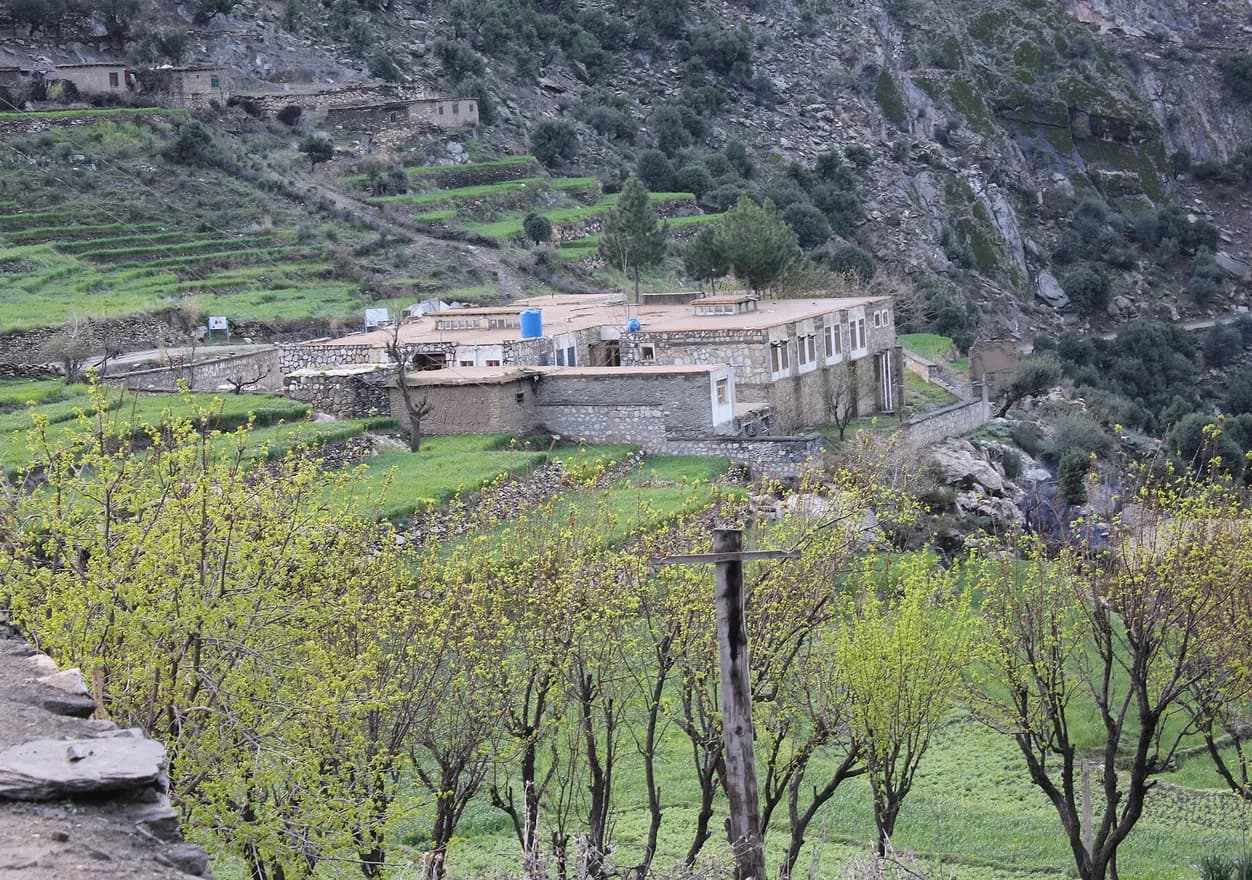
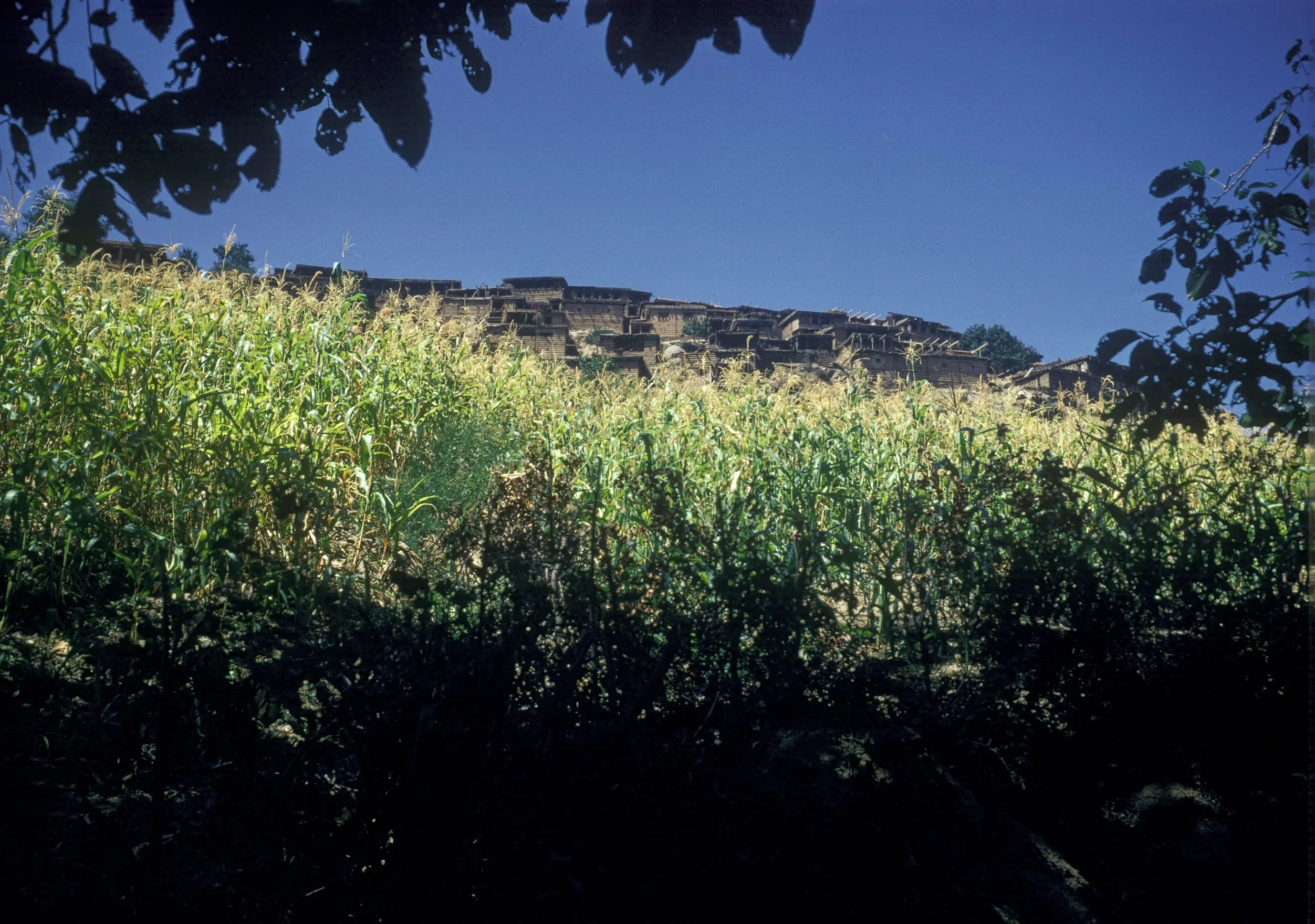
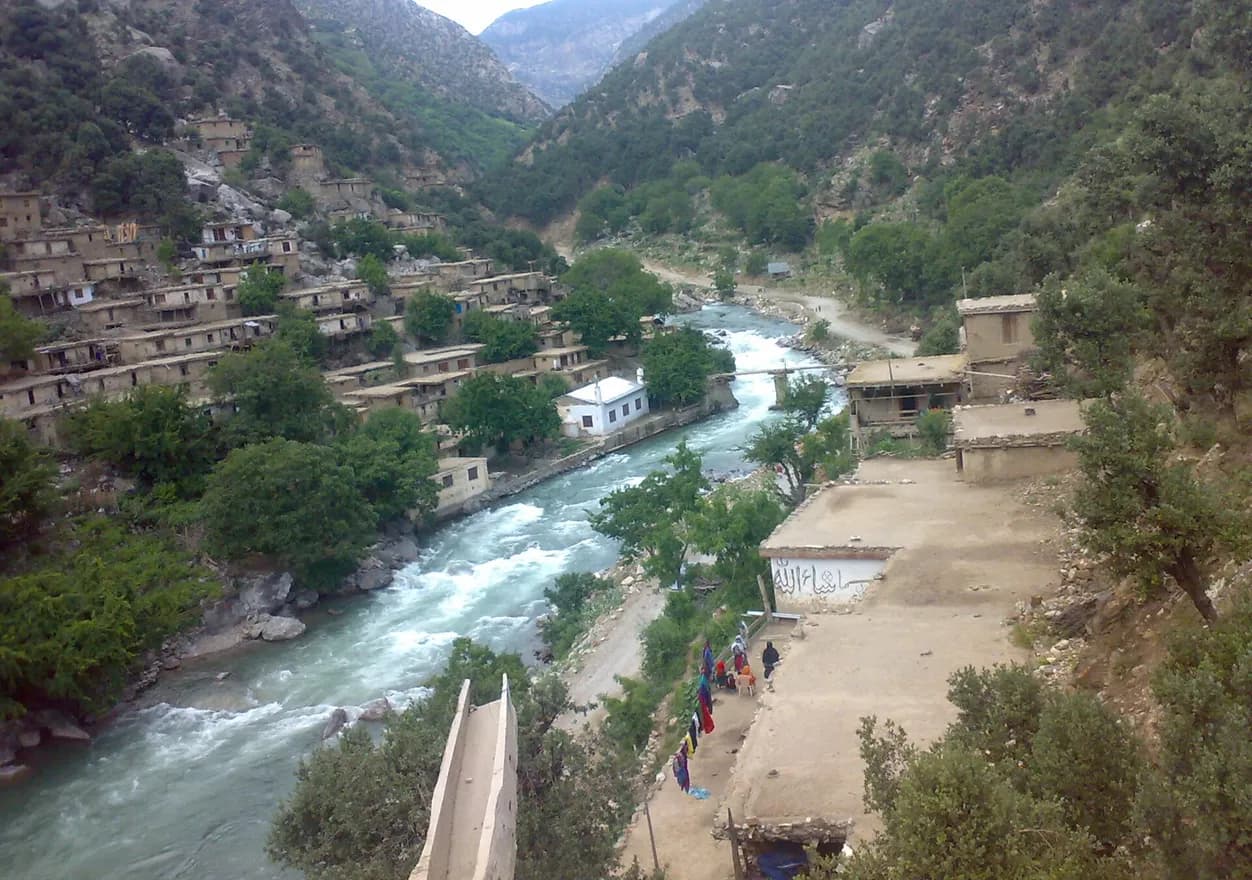
WHERE THEY LIVE. Nuristani communities are strongly associated with Nuristan Province and the mountainous valleys of eastern Afghanistan, including neighboring areas of Kunar and Laghman. Communities also live in other parts of the country.
EASTERN AFGHANISTAN
Mountain valley homeland
NURISTANI LANGUAGES
Several distinct languages
NURISTAN
Forested high valleys
KUNAR & LAGHMAN
Communities across the east
traditional clothing
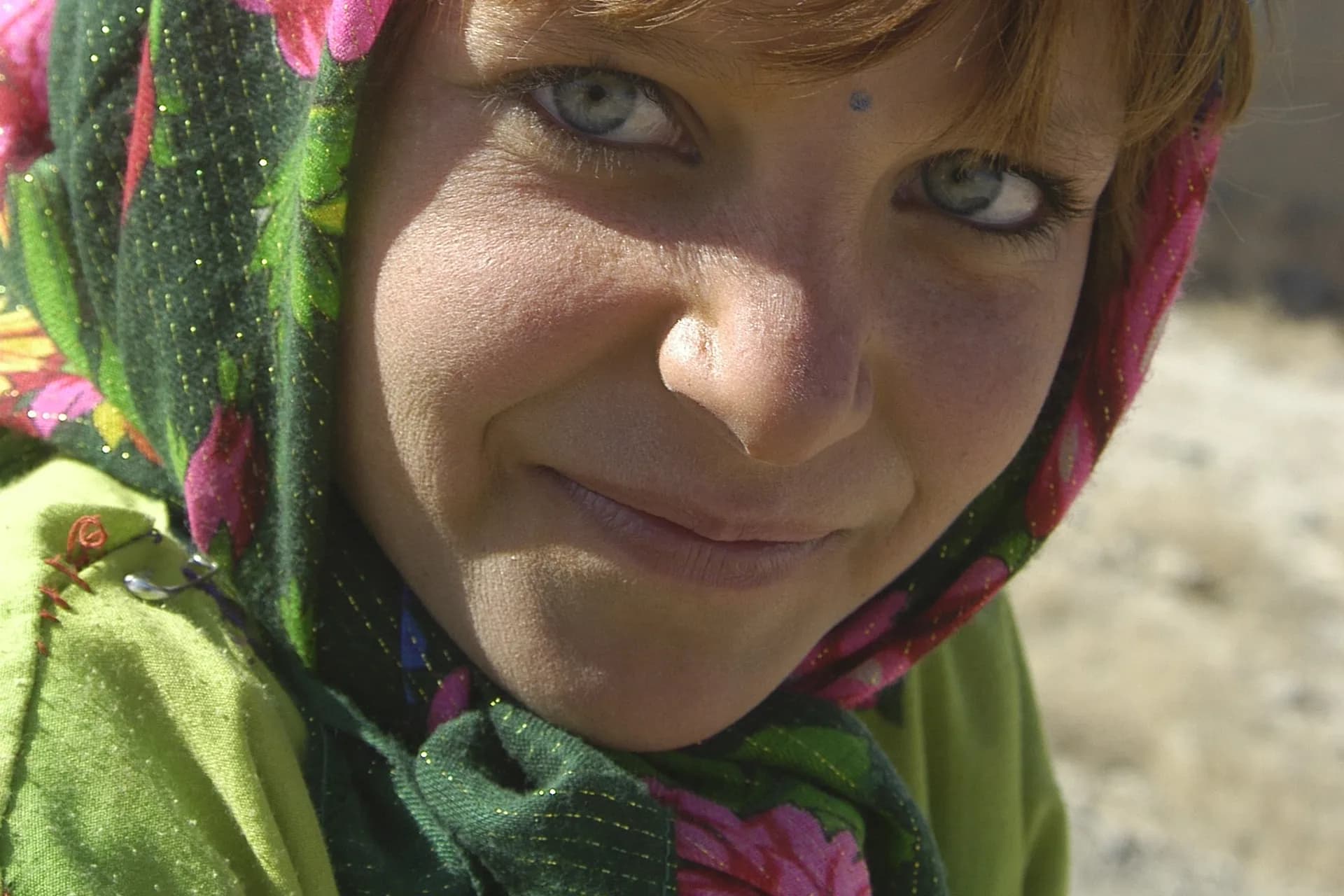
Traditional outfits may include long shirts and trousers,
worn with wool vests or coats, rolled wool caps and warm layers in the mountains.
Long dresses with trousers and headscarves are common traditional forms,
often with embroidery, beadwork and silver jewelry in some valleys.
Fabrics, colors and stitchwork vary from valley to valley;
hand-spun wool and woven textiles reflect life in the high, cool mountains.
Weddings and family celebrations may feature festive clothing,
including embroidered garments, colorful scarves and jewelry in some communities.
community
and values

Practices vary by valley and family.
traditions
& cultural identity
Nuristani cultural heritage includes distinct languages, carved wooden architecture, music and community traditions, many shared with other Afghan communities. Their expression varies by valley, village and family.