
Geography
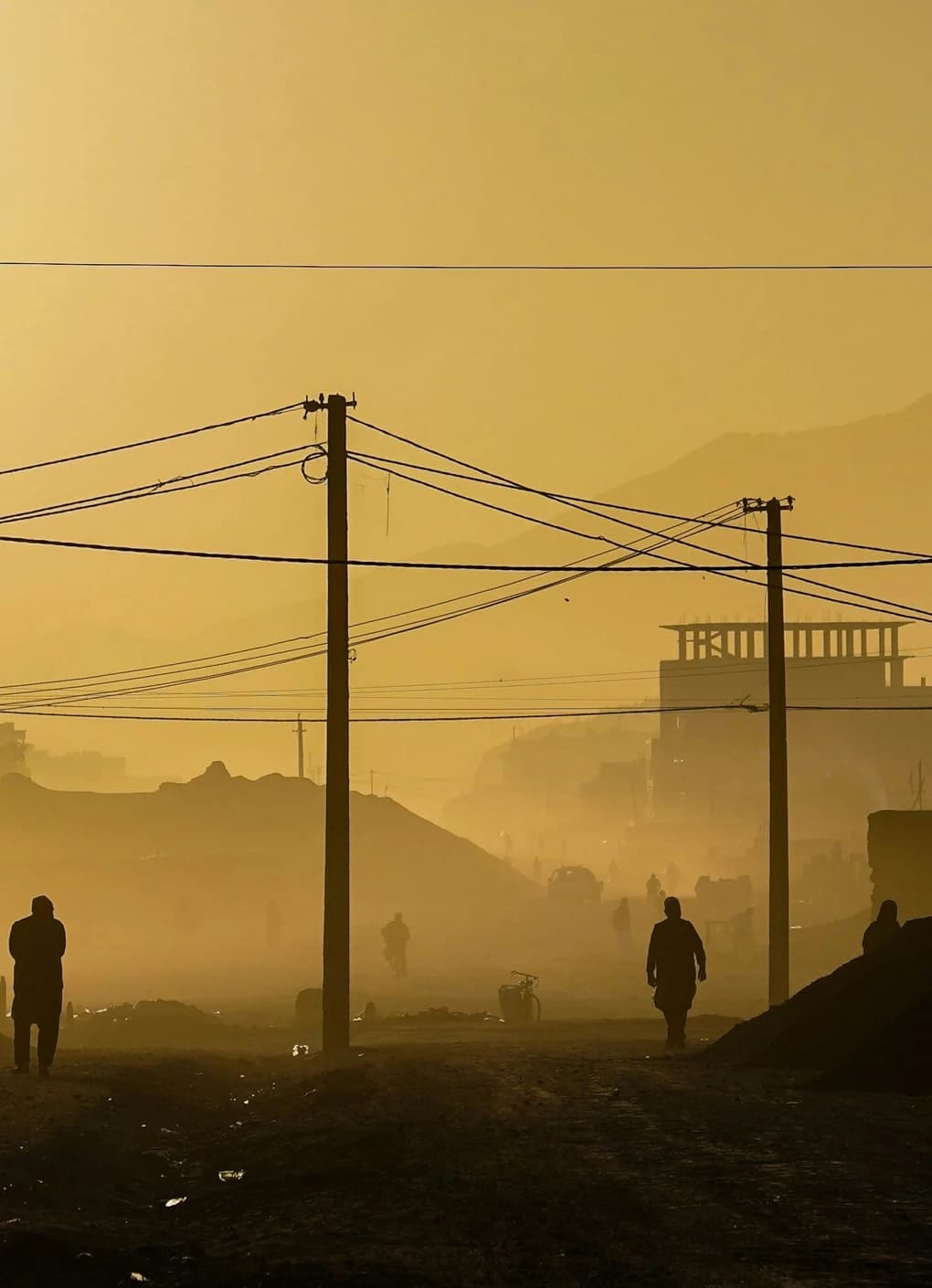
Mountains, basins, rivers and borders

Explore unforgettable places, stories and experiences from across Afghanistan.

@visit.afghanistan
(About)
@Explore
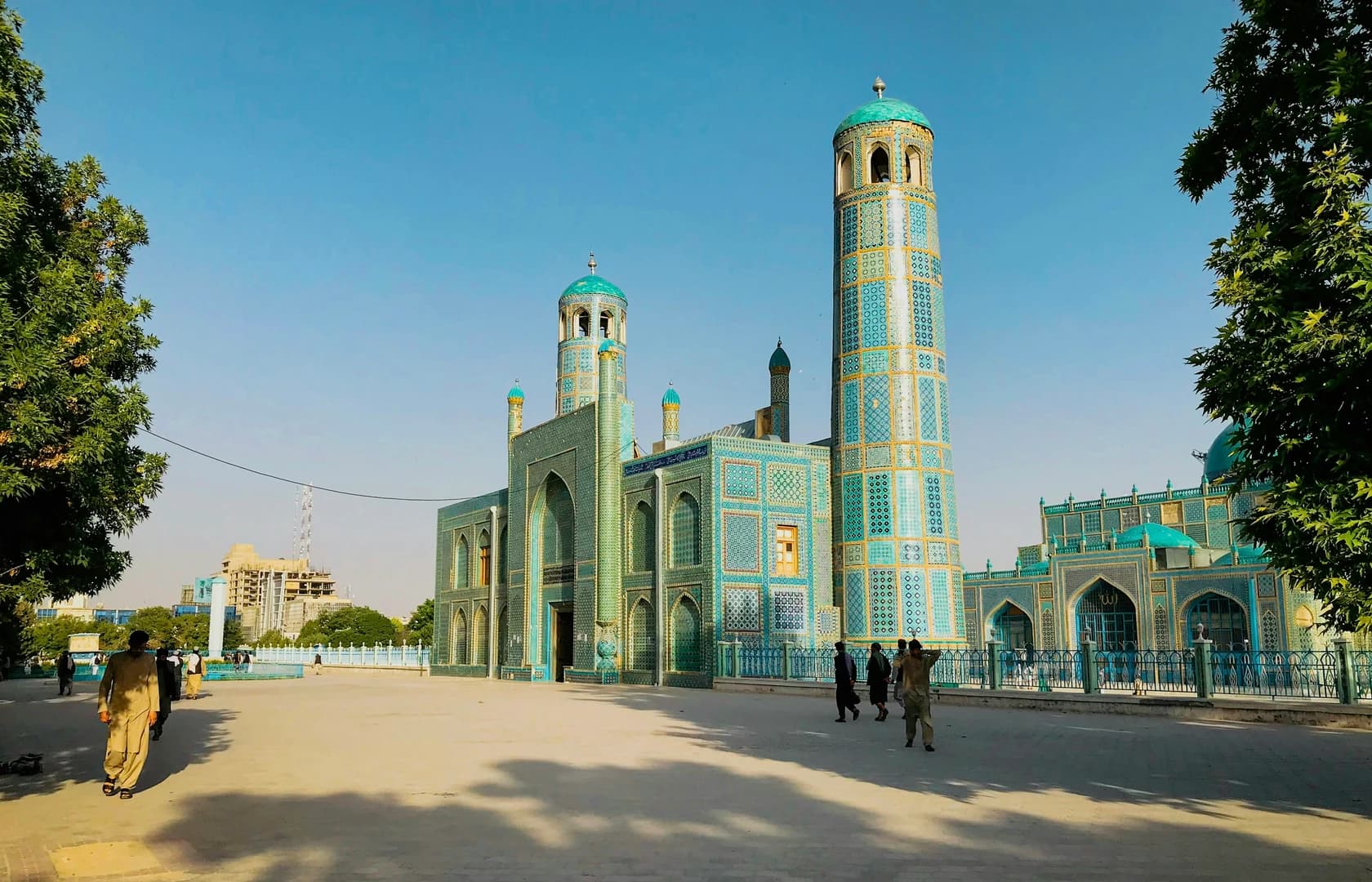

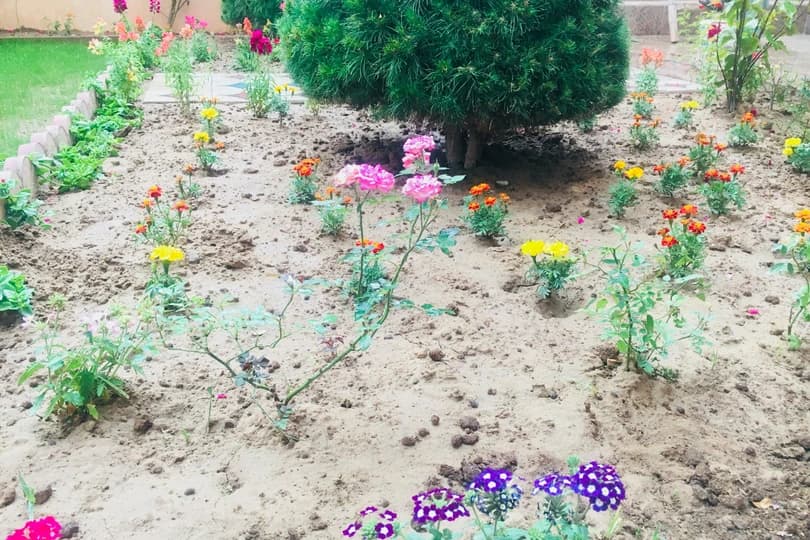
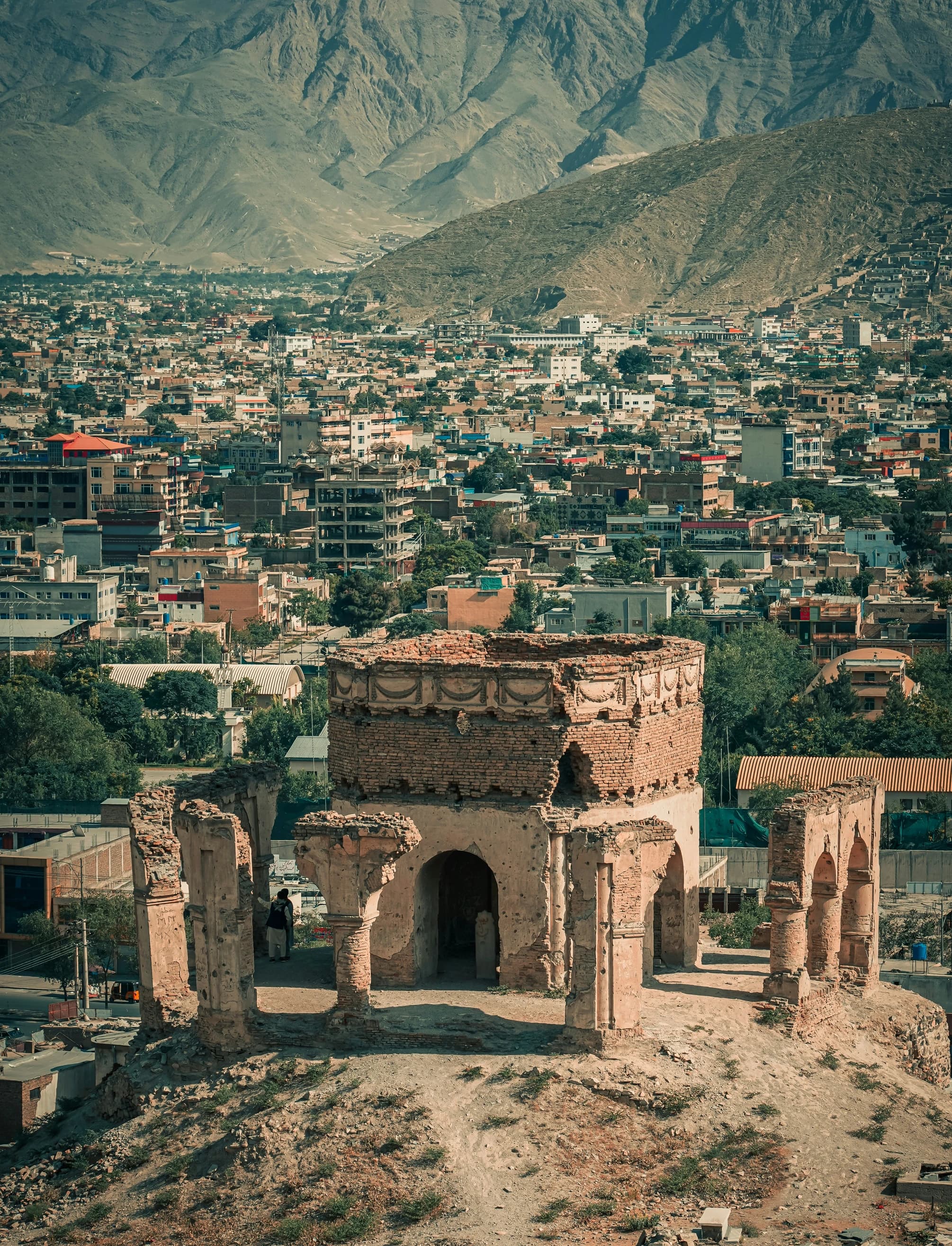
Afghanistan brings together high mountains, river valleys, deserts and historic cities at the crossroads of Central and South Asia.
Its identity lives through its people, languages, hospitality, poetry, cuisine, craftsmanship and traditions carried across generations.
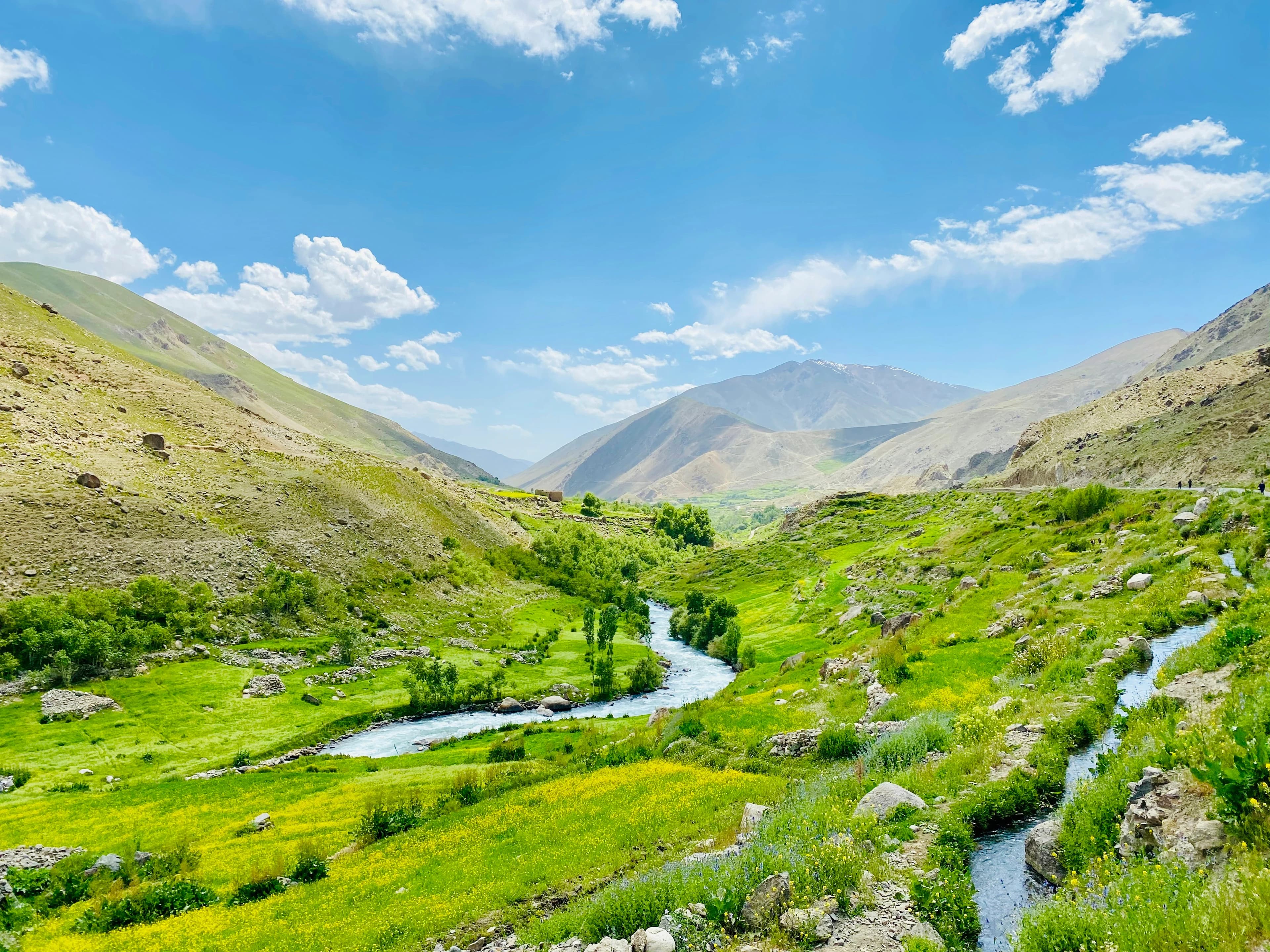
Afghanistan is often known by this phrase because several foreign powers struggled to maintain lasting control across its terrain and communities. It is evocative, but it simplifies a history also shaped by Afghan agency, diplomacy, reform and resistance.
A COMPLETE AFGHAN HISTORICAL JOURNEYScroll through key moments in Afghanistan's modern history, from the Durrani Empire in 1747 to the present day.
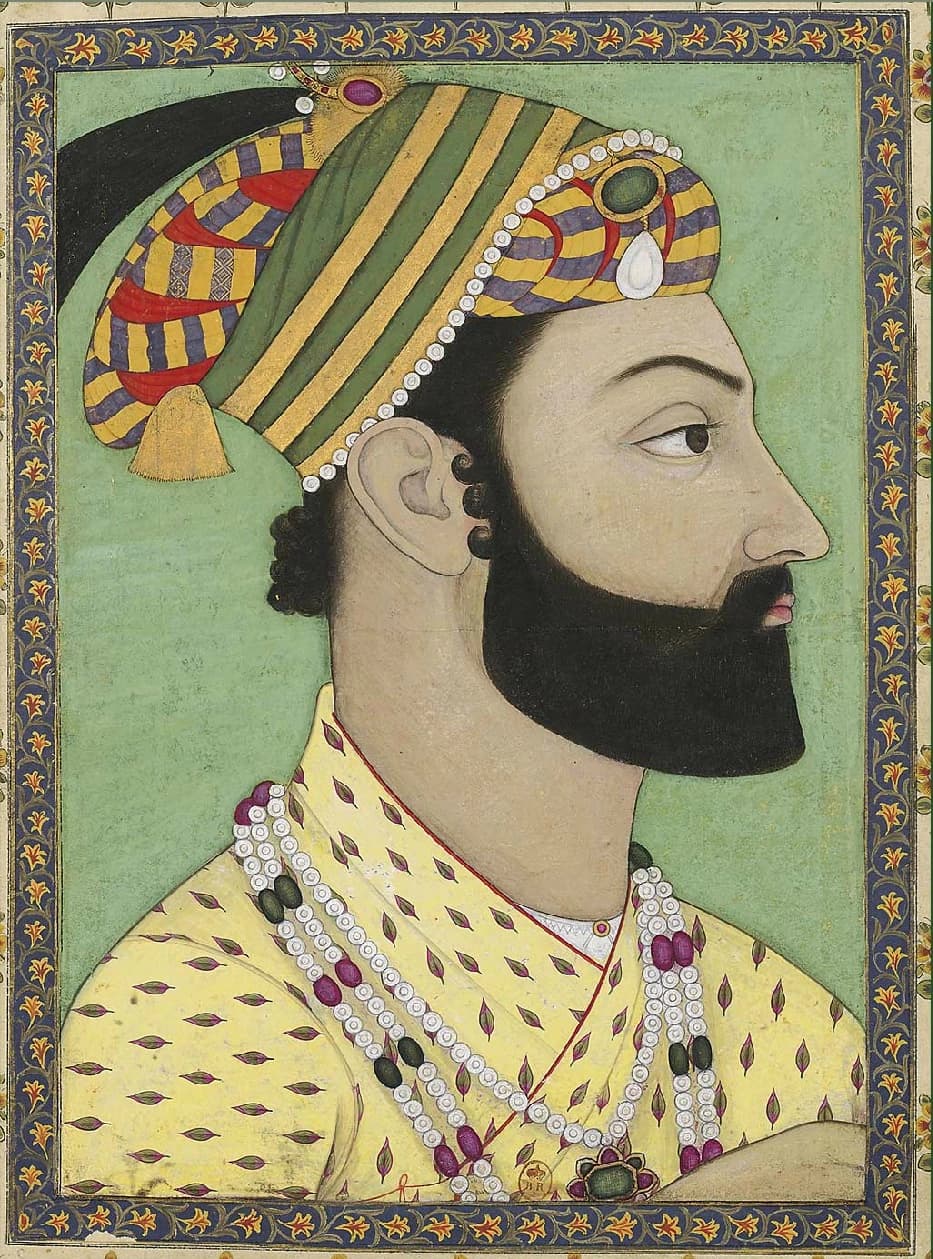
Ahmad Shah Durrani established an empire widely treated as the foundation of the modern Afghan state.
#AhmadShahDurrani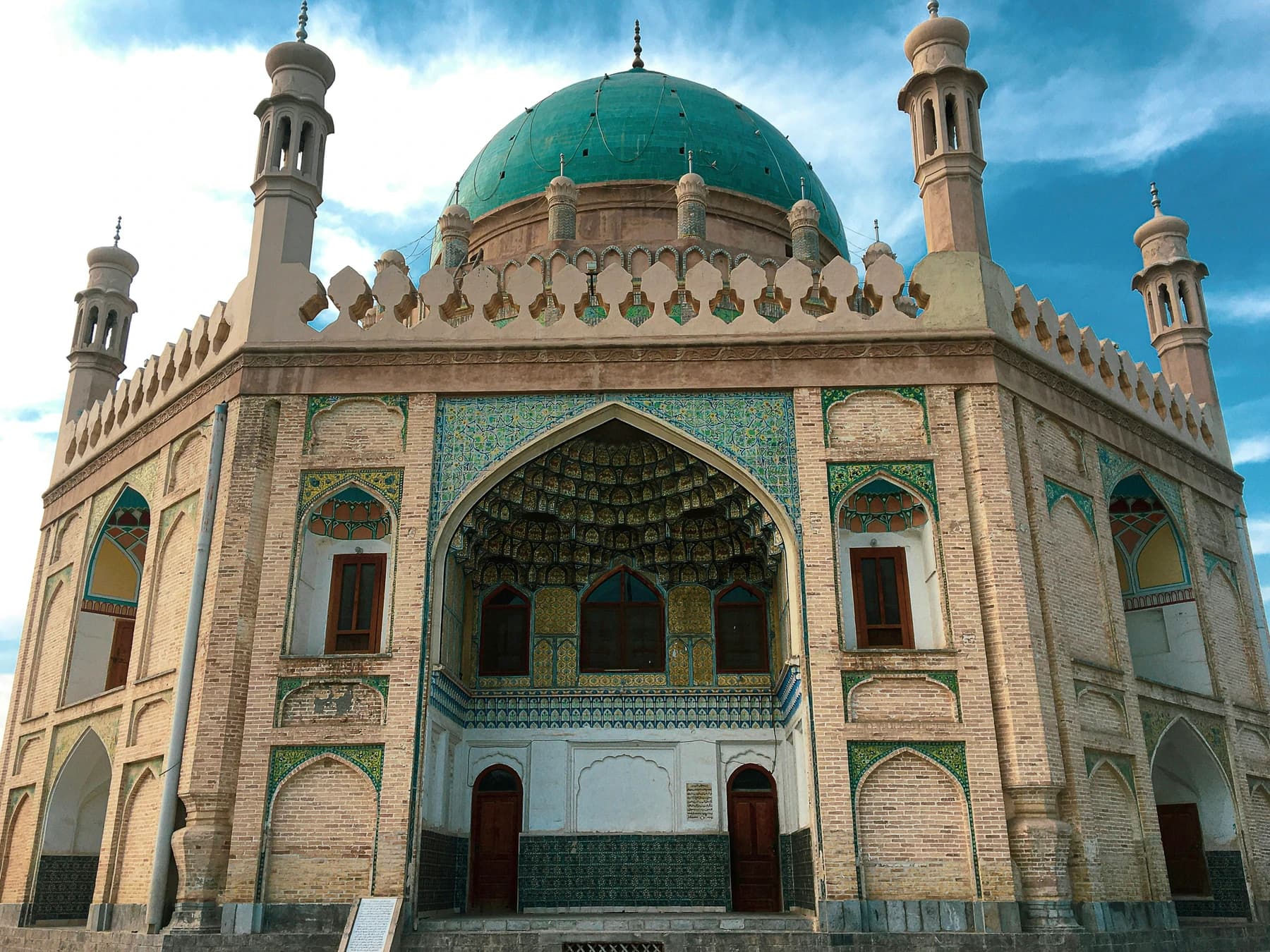
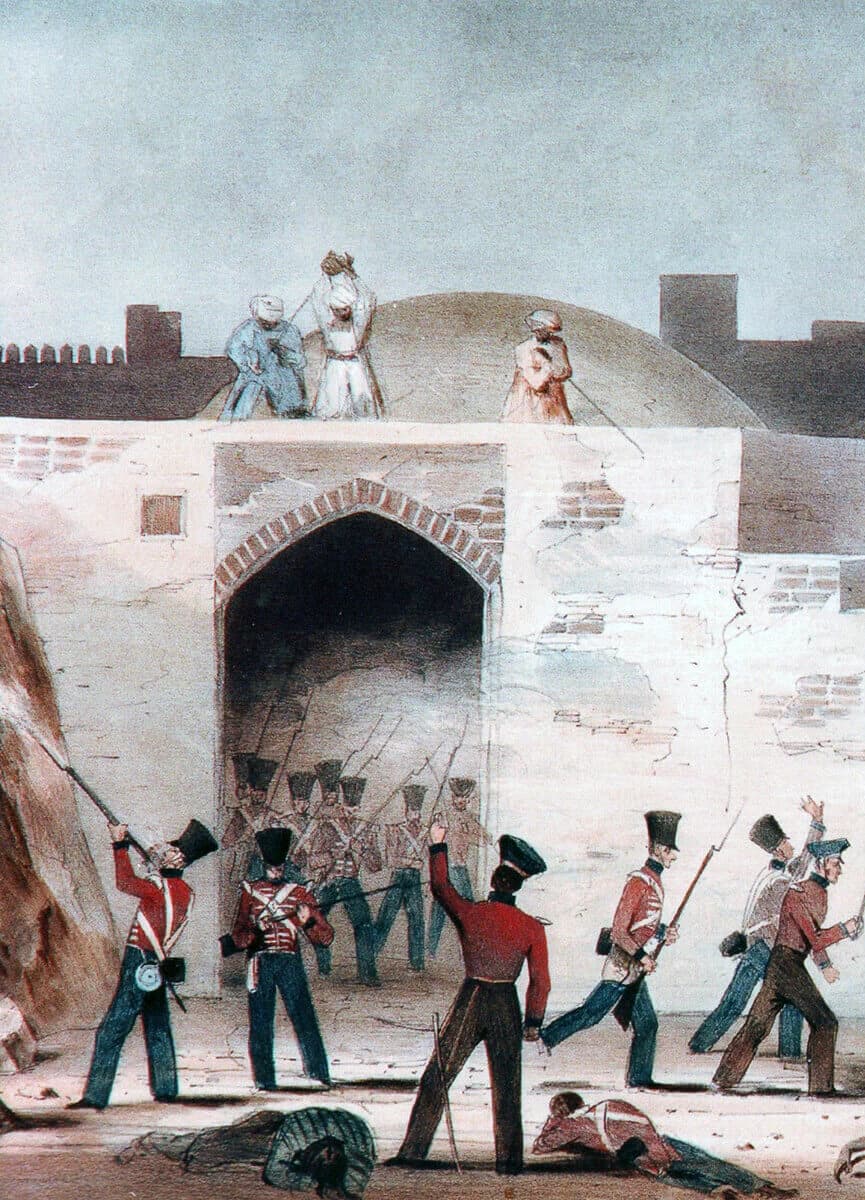
British occupation gave way to revolt and withdrawal; Dost Mohammad later returned to power.
#AngloAfghanWars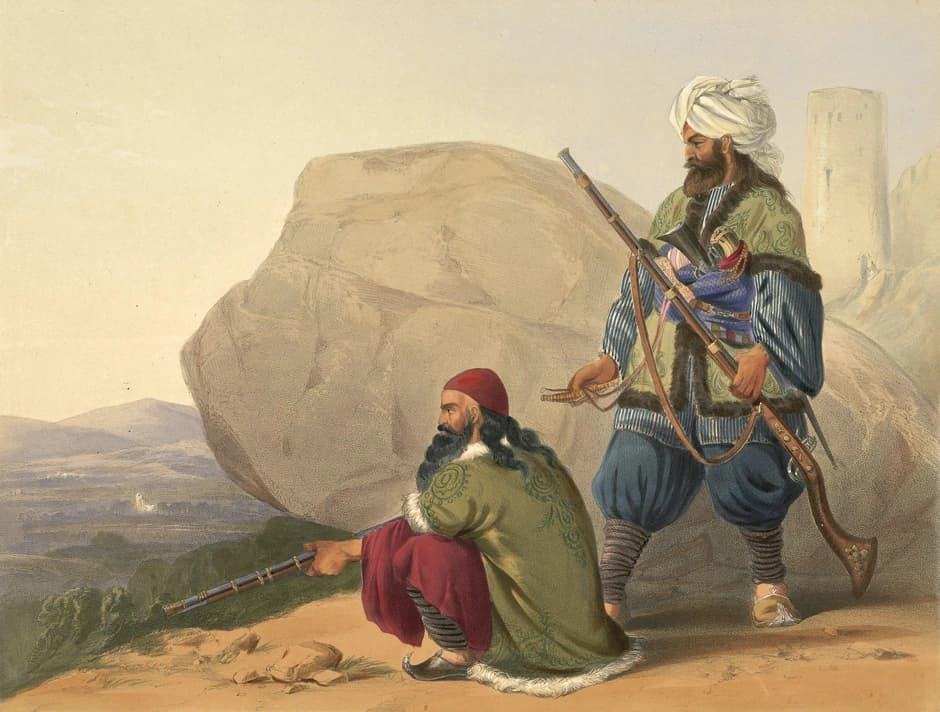
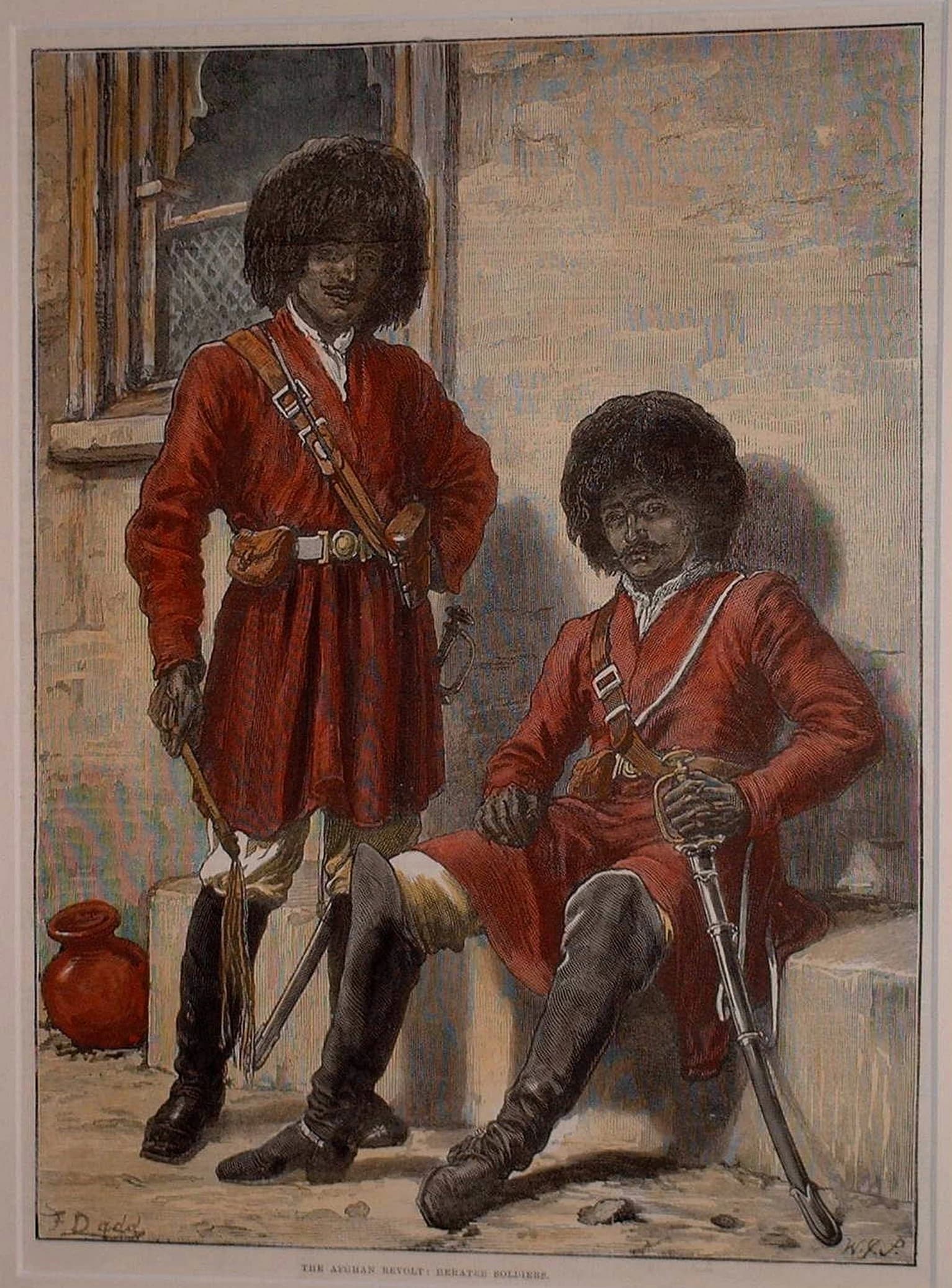
A second British invasion ended with British influence over Afghanistan's foreign relations.
#GreatGame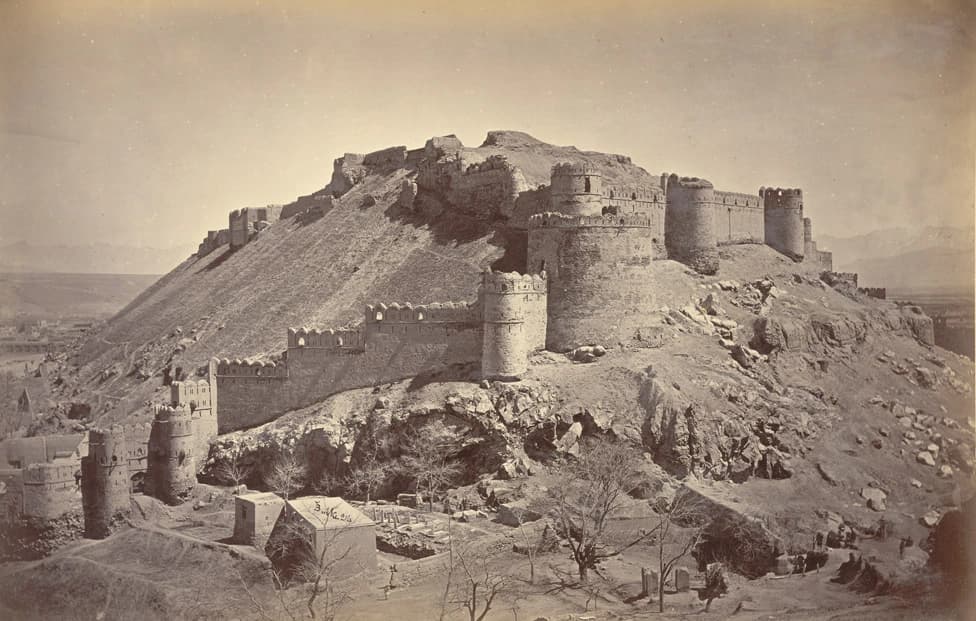
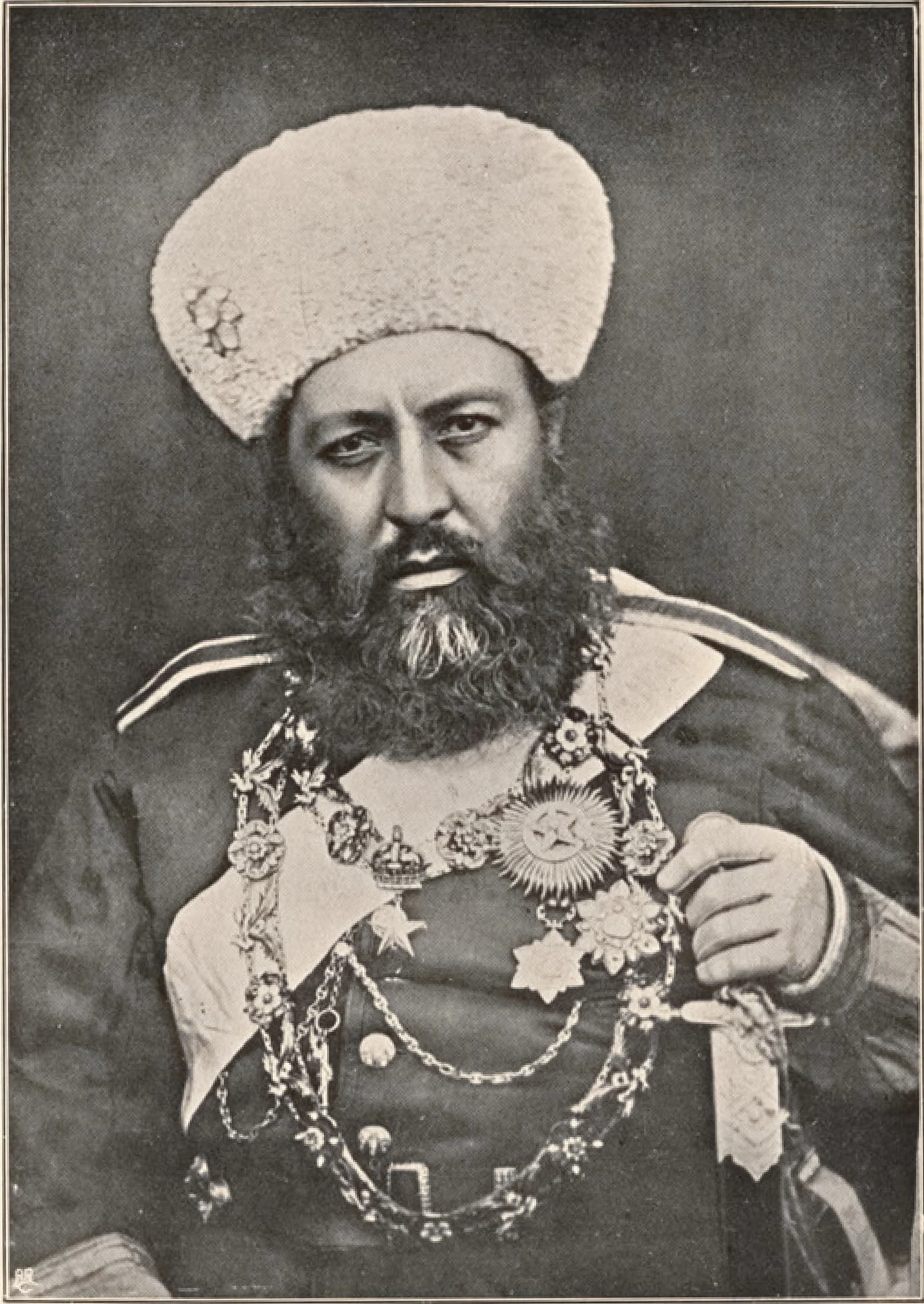
Amir Abdur Rahman Khan centralized authority through administration, forced resettlement and repression.
#AbdurRahmanKhan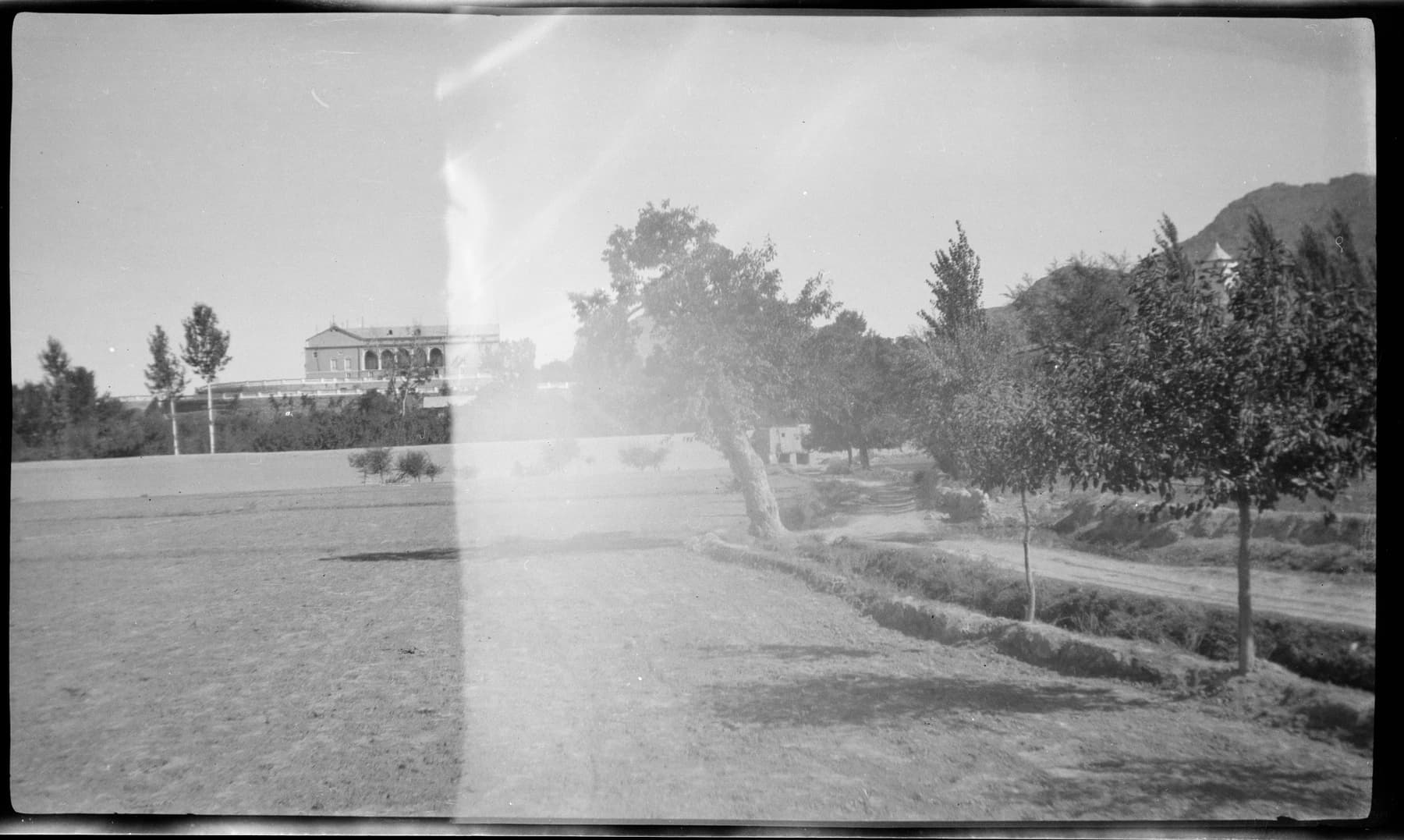
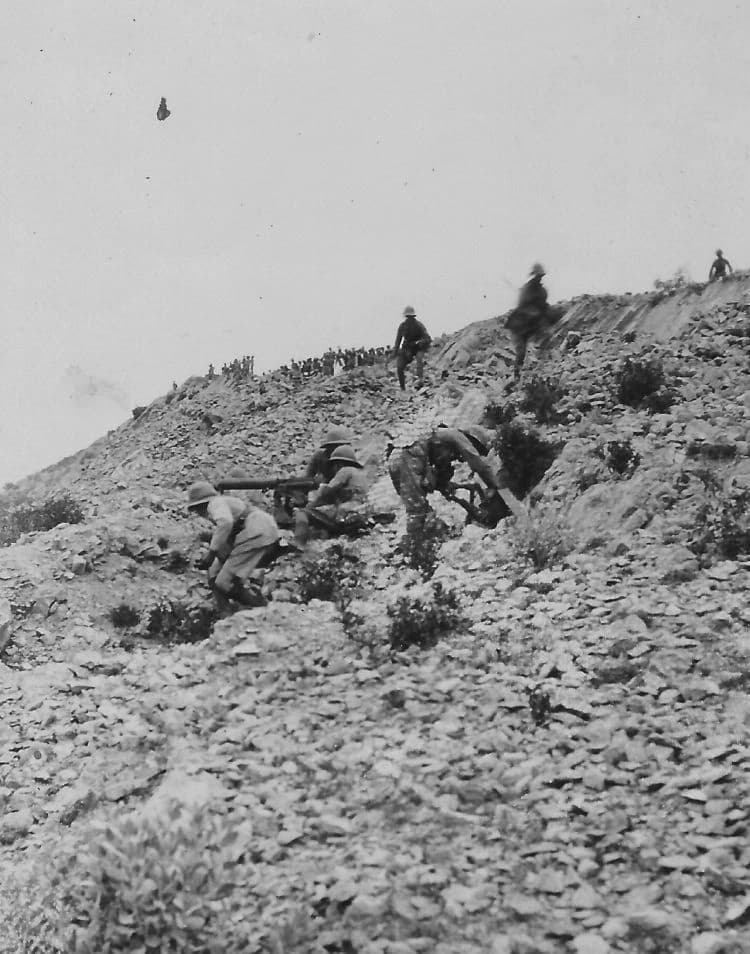
The Third Anglo-Afghan War brought recognition of Afghanistan's independence in foreign affairs.
#Independence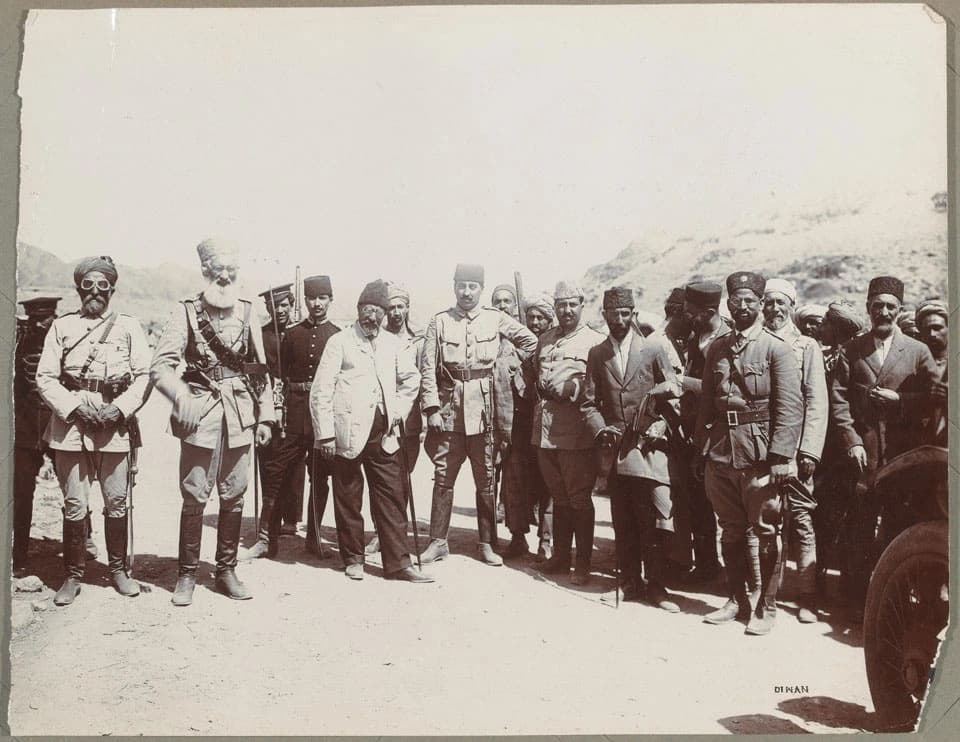
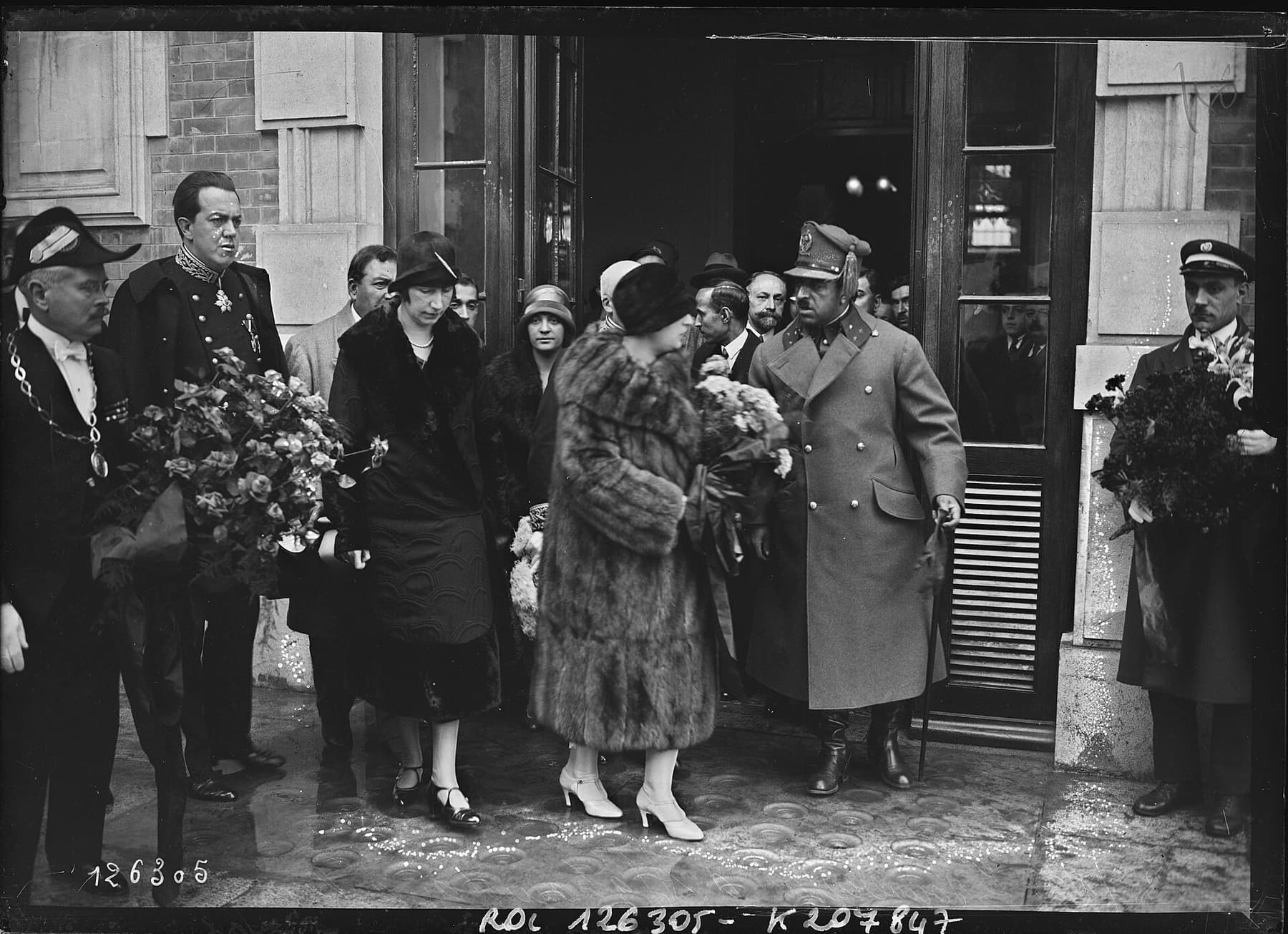
Amanullah promoted education, legal change and modernization before resistance led to his abdication.
#AmanullahKhan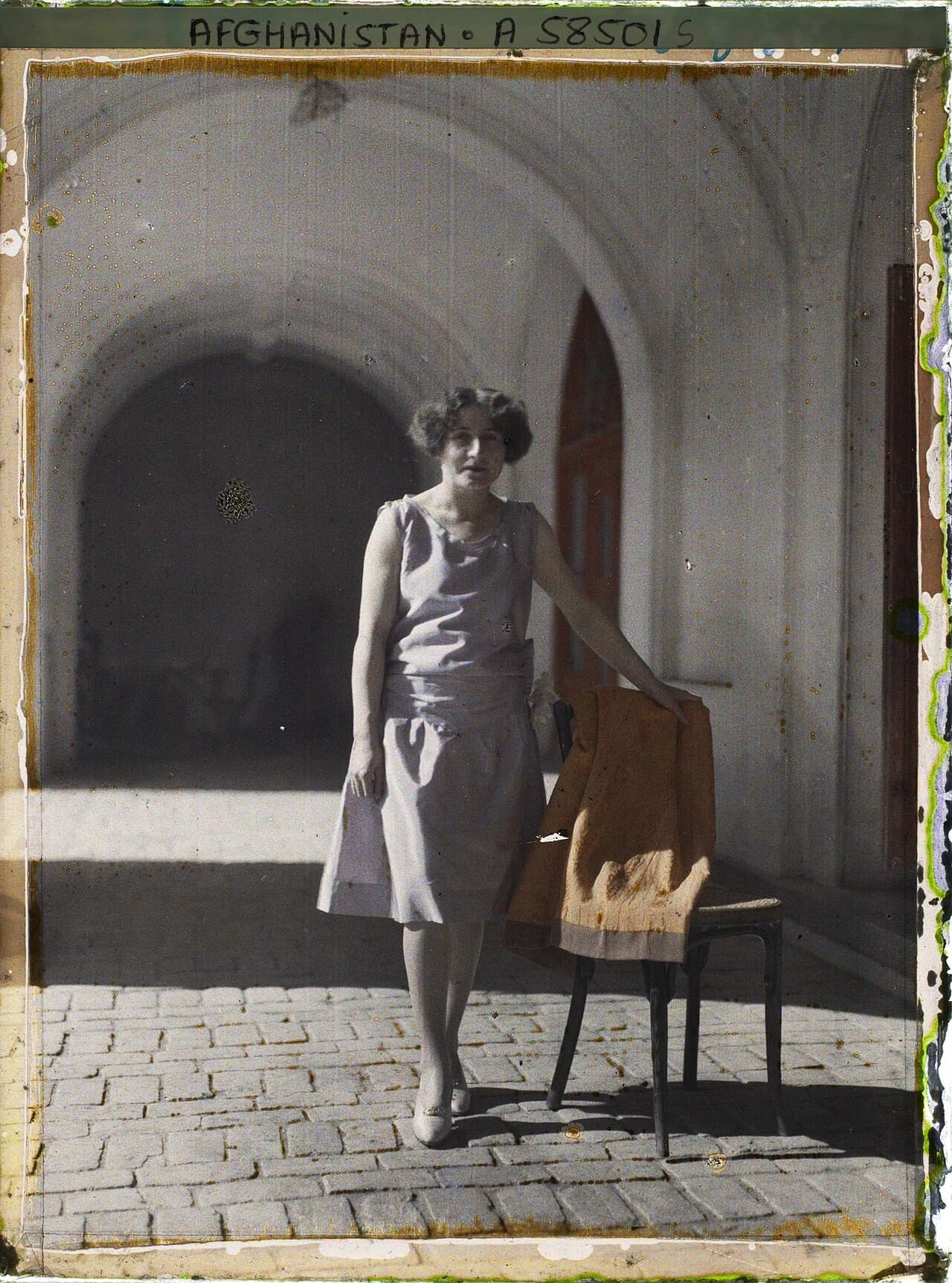
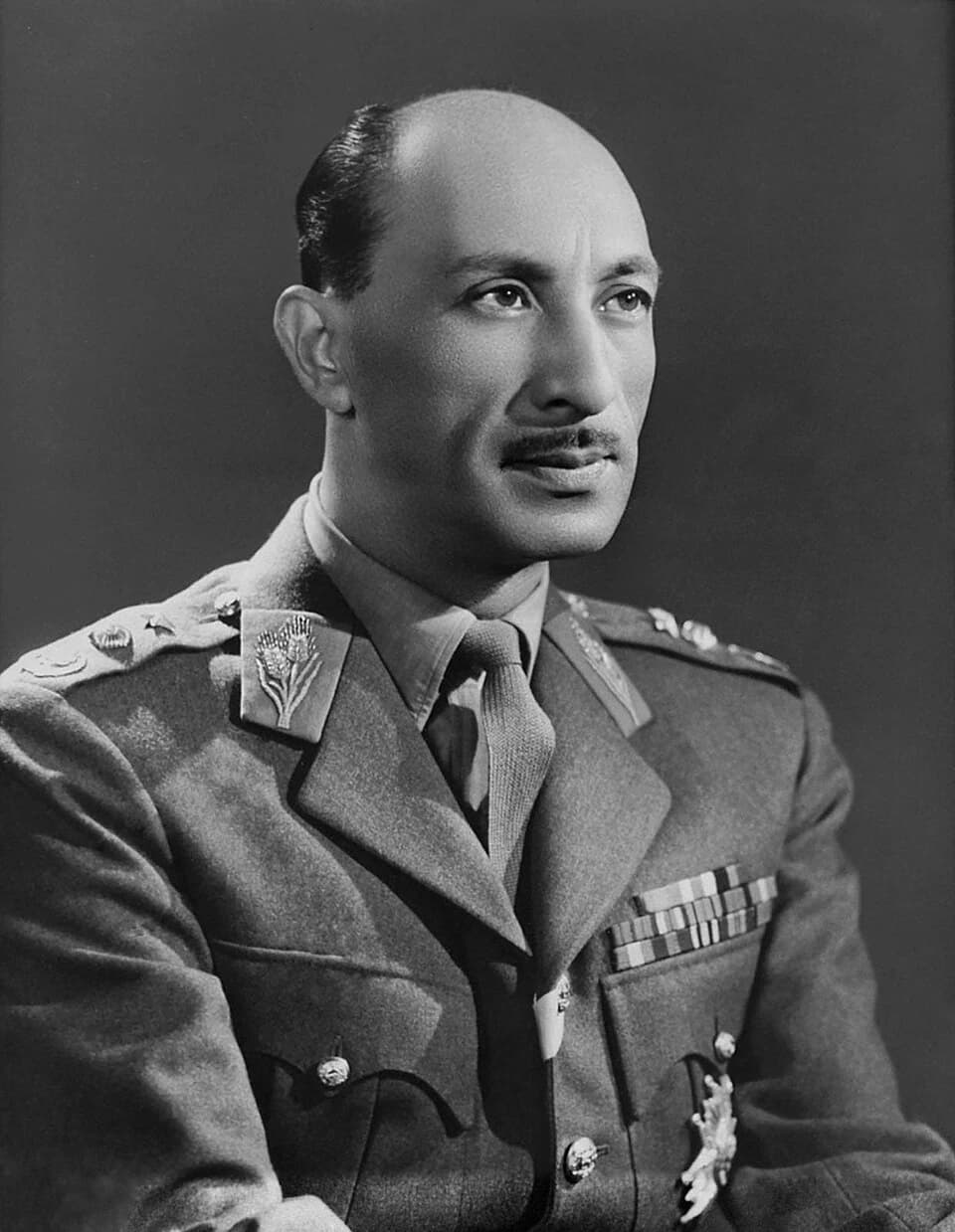
Four decades brought relative stability, gradual modernization and a constitutional experiment.
#ZahirShah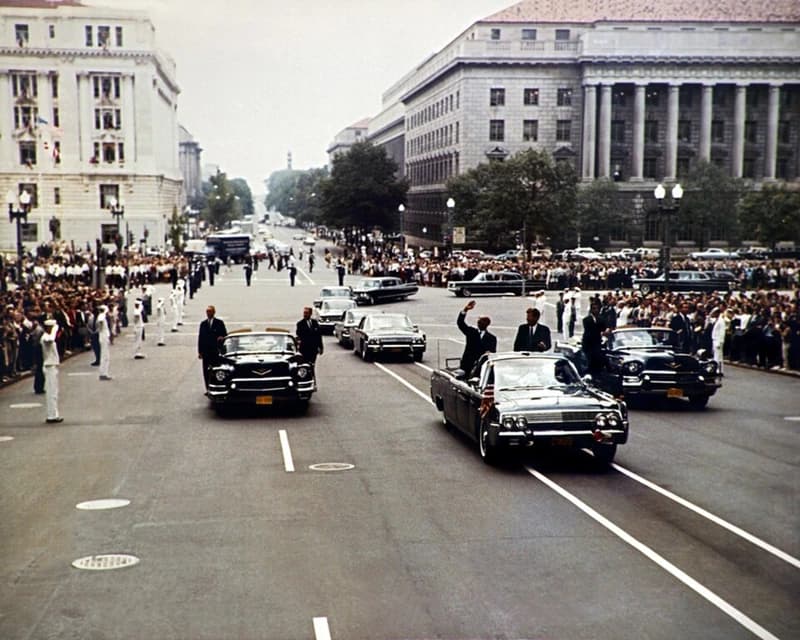
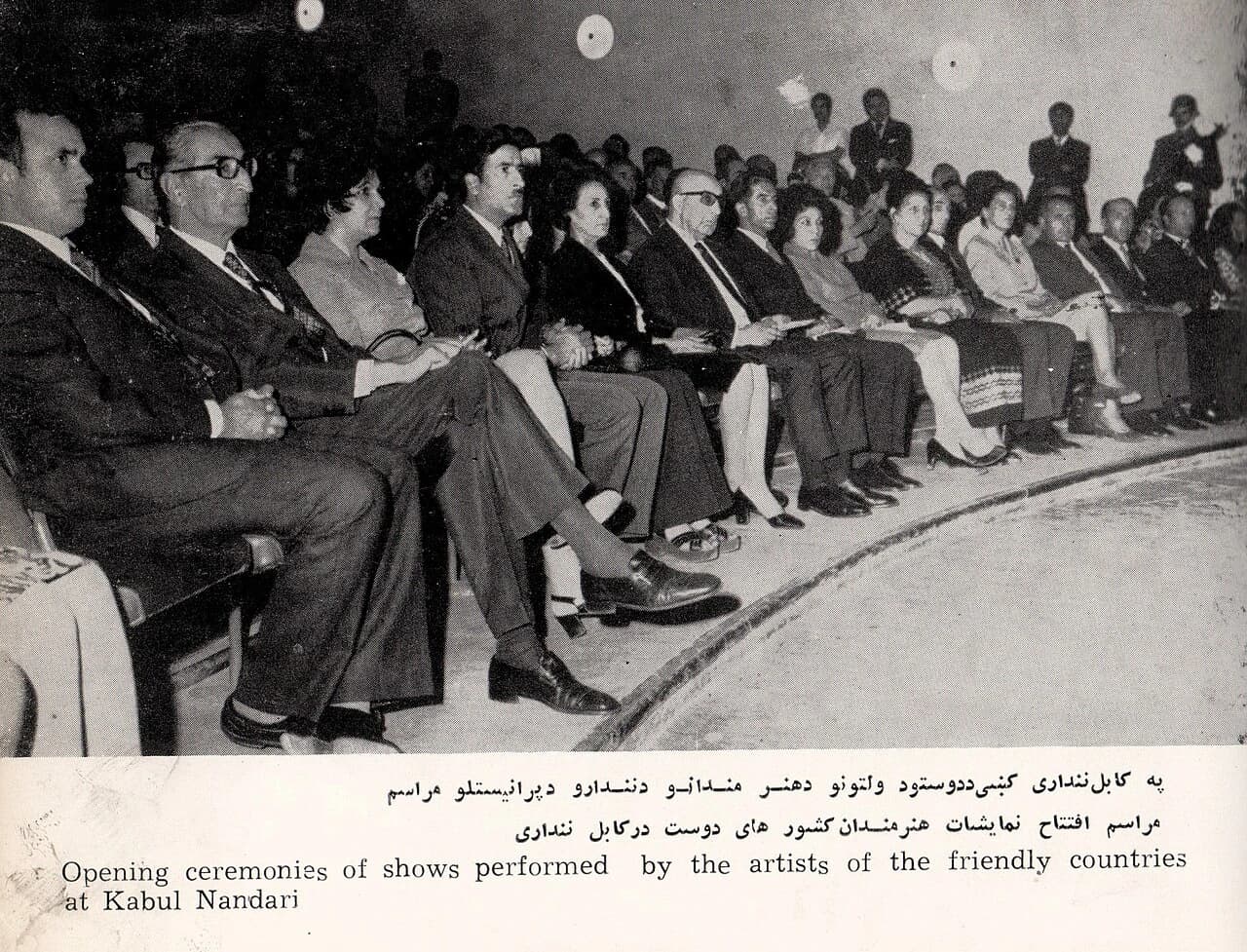
Mohammed Daoud Khan ended the monarchy and established a centralized presidential republic.
#DaoudKhan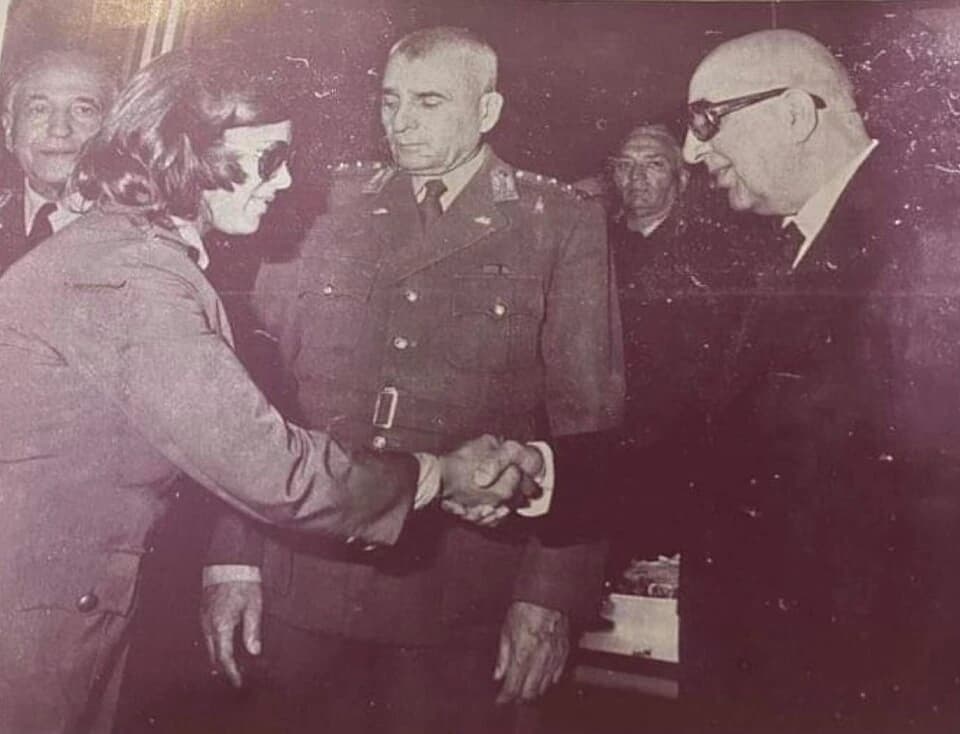
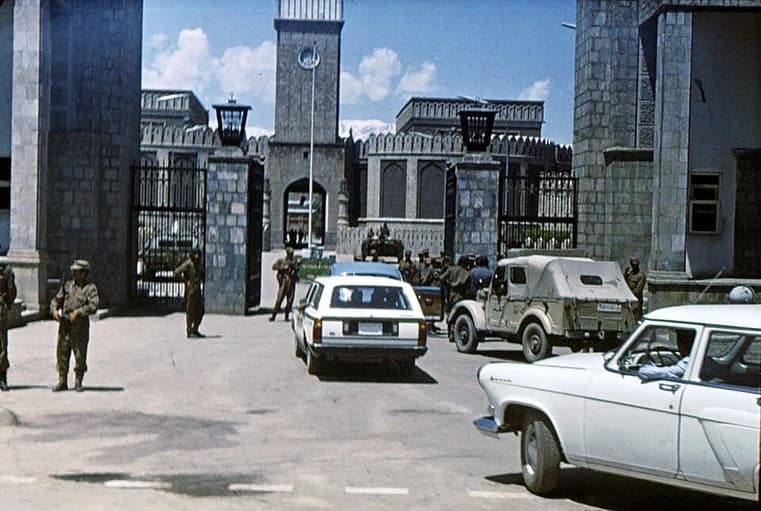
The PDPA seized power as radical reforms, factional conflict and repression fueled resistance.
#SaurRevolution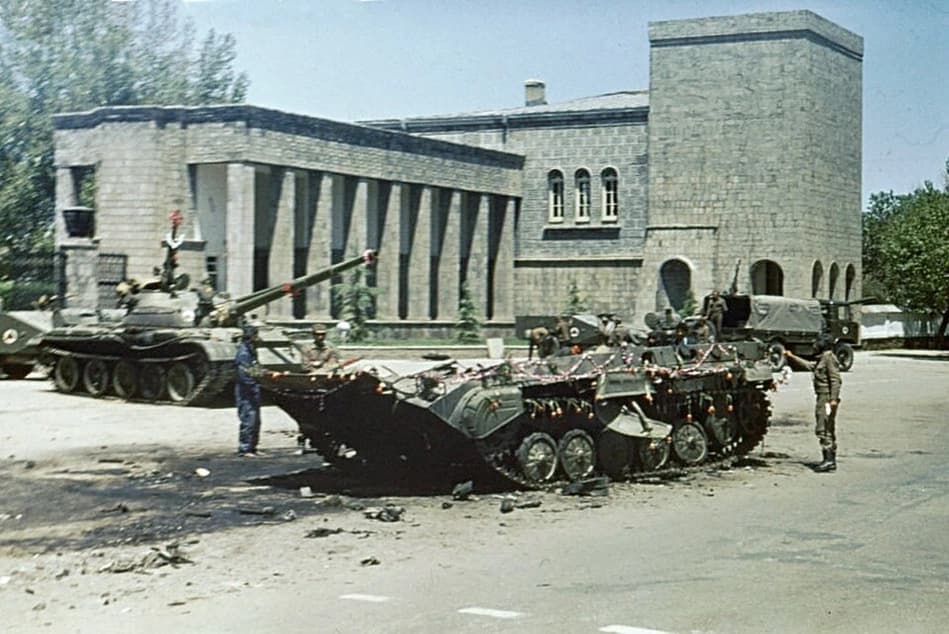
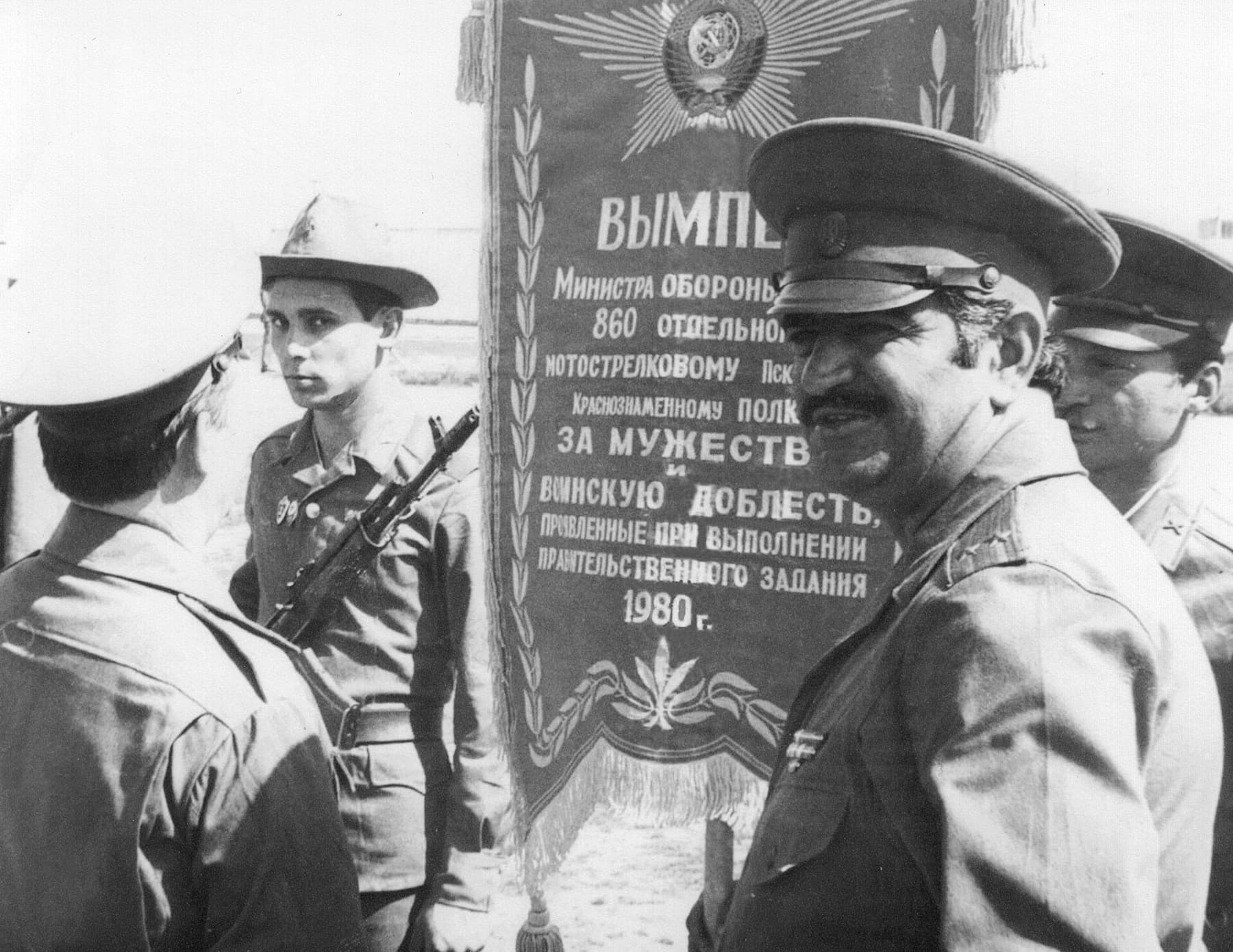
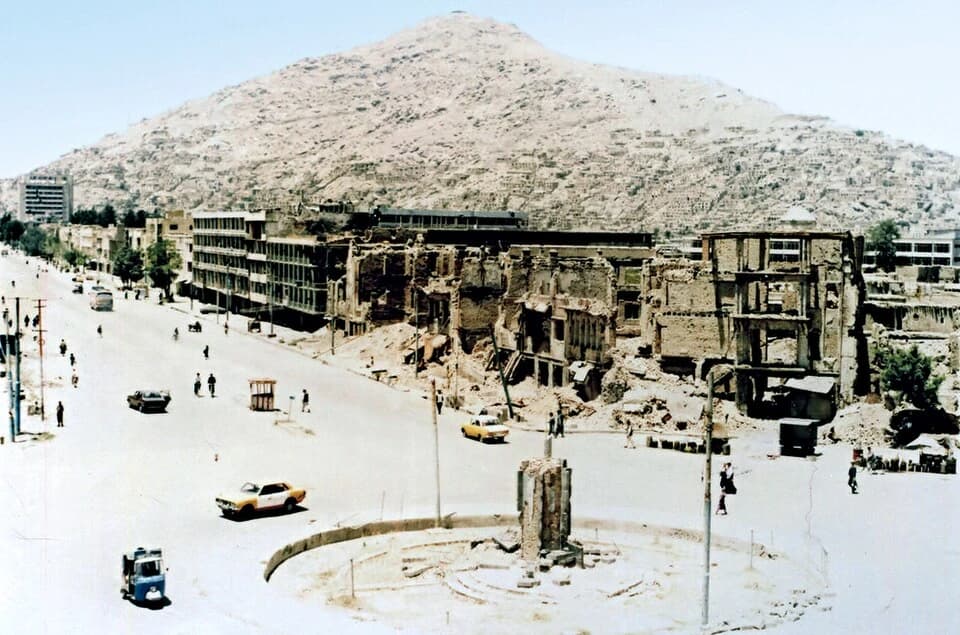
Soviet forces entered to sustain the government, beginning a devastating decade of war and displacement.
#SovietWar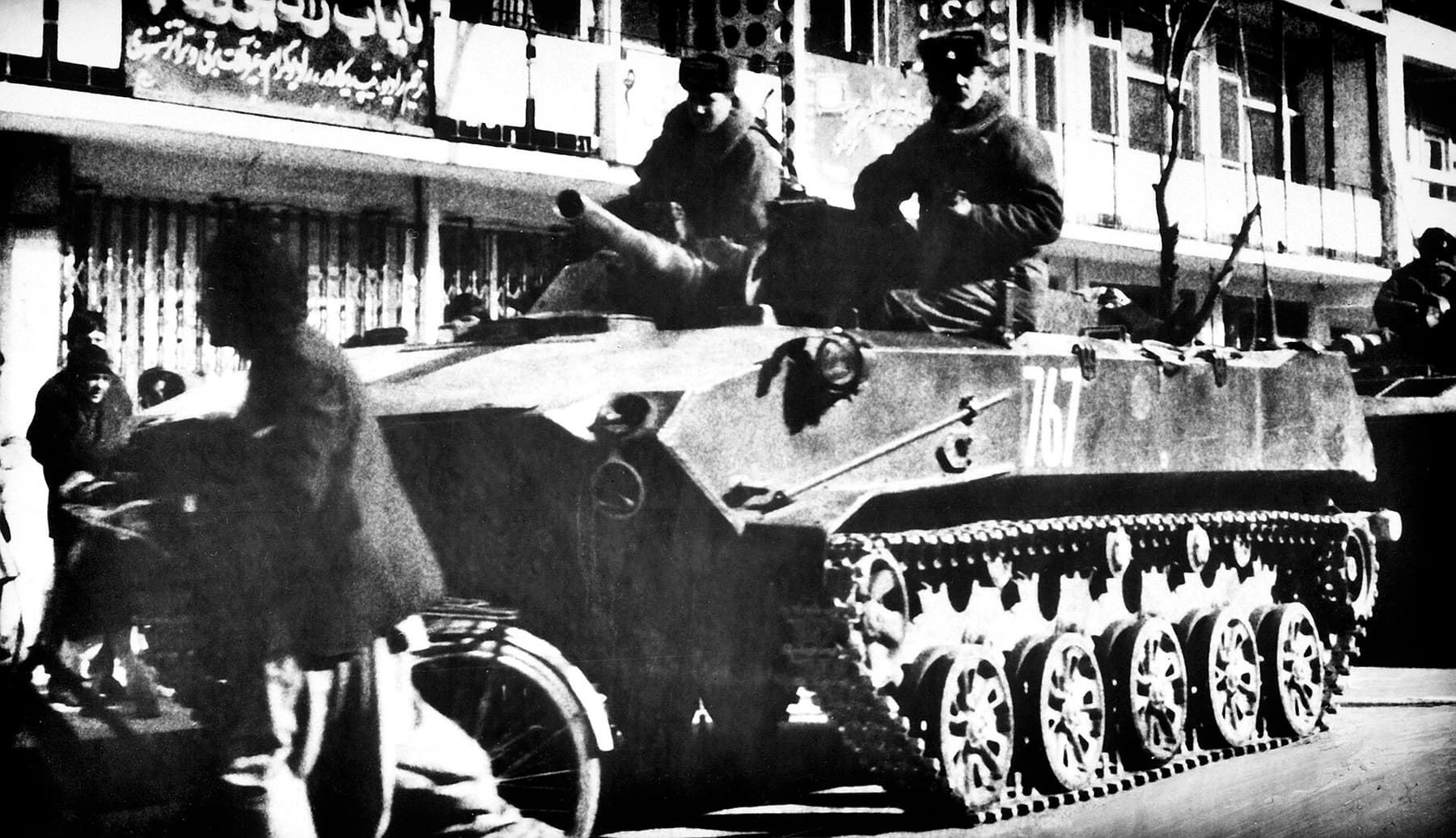
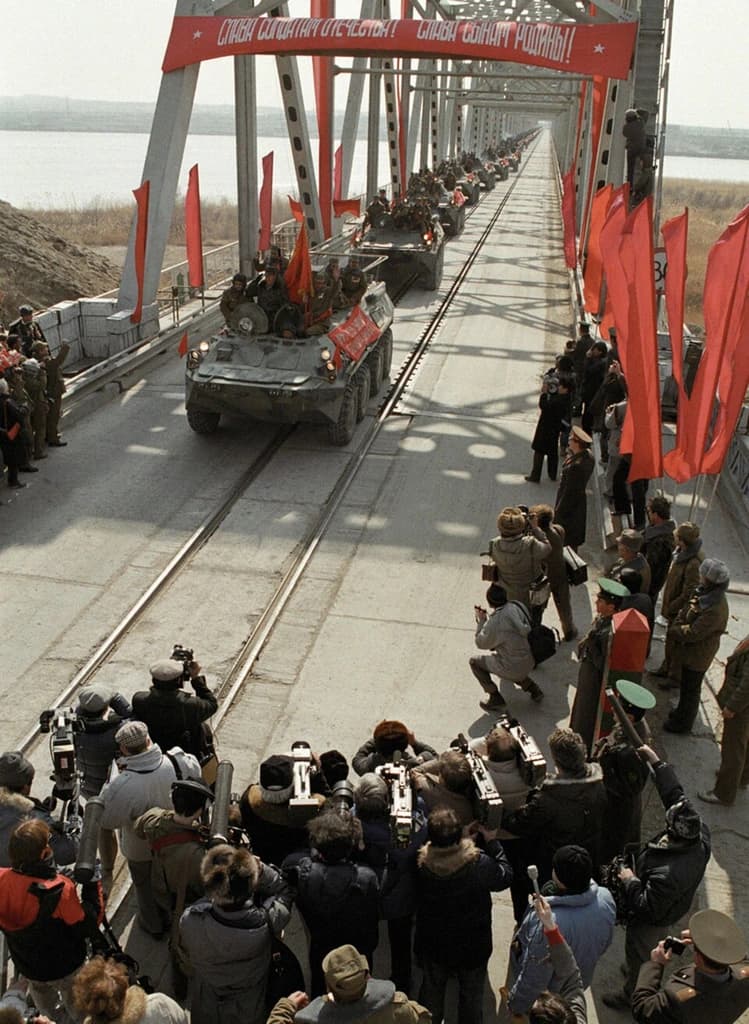
The final Soviet troops left in February, while Najibullah's government remained for three more years.
#Withdrawal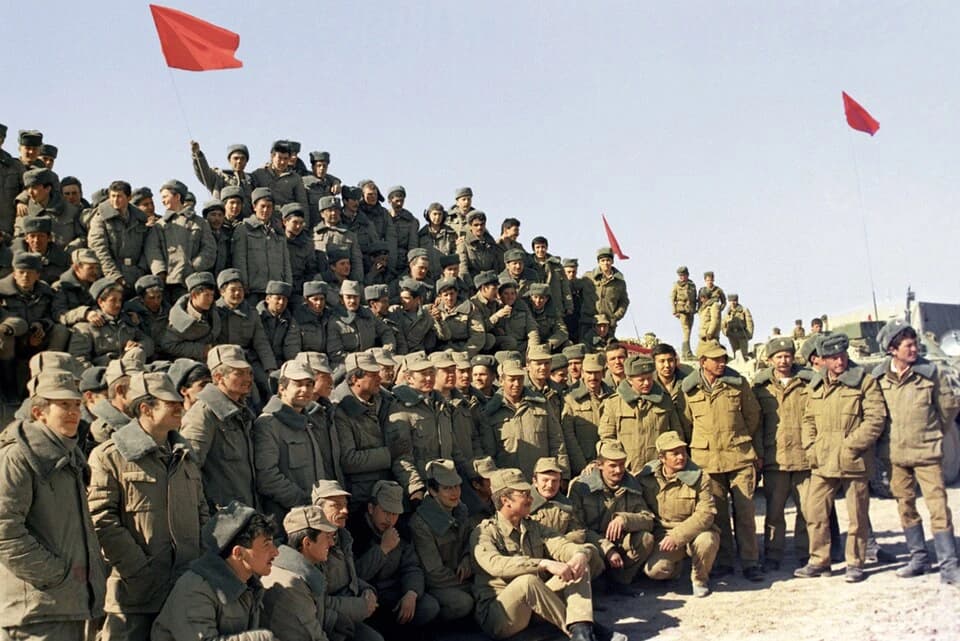
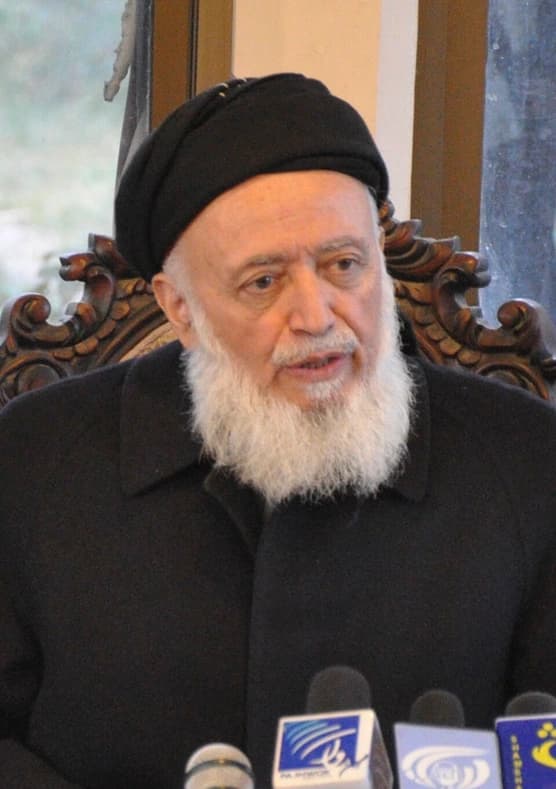
Mujahideen parties entered Kabul, but their power-sharing order did not prevent renewed fighting.
#IslamicState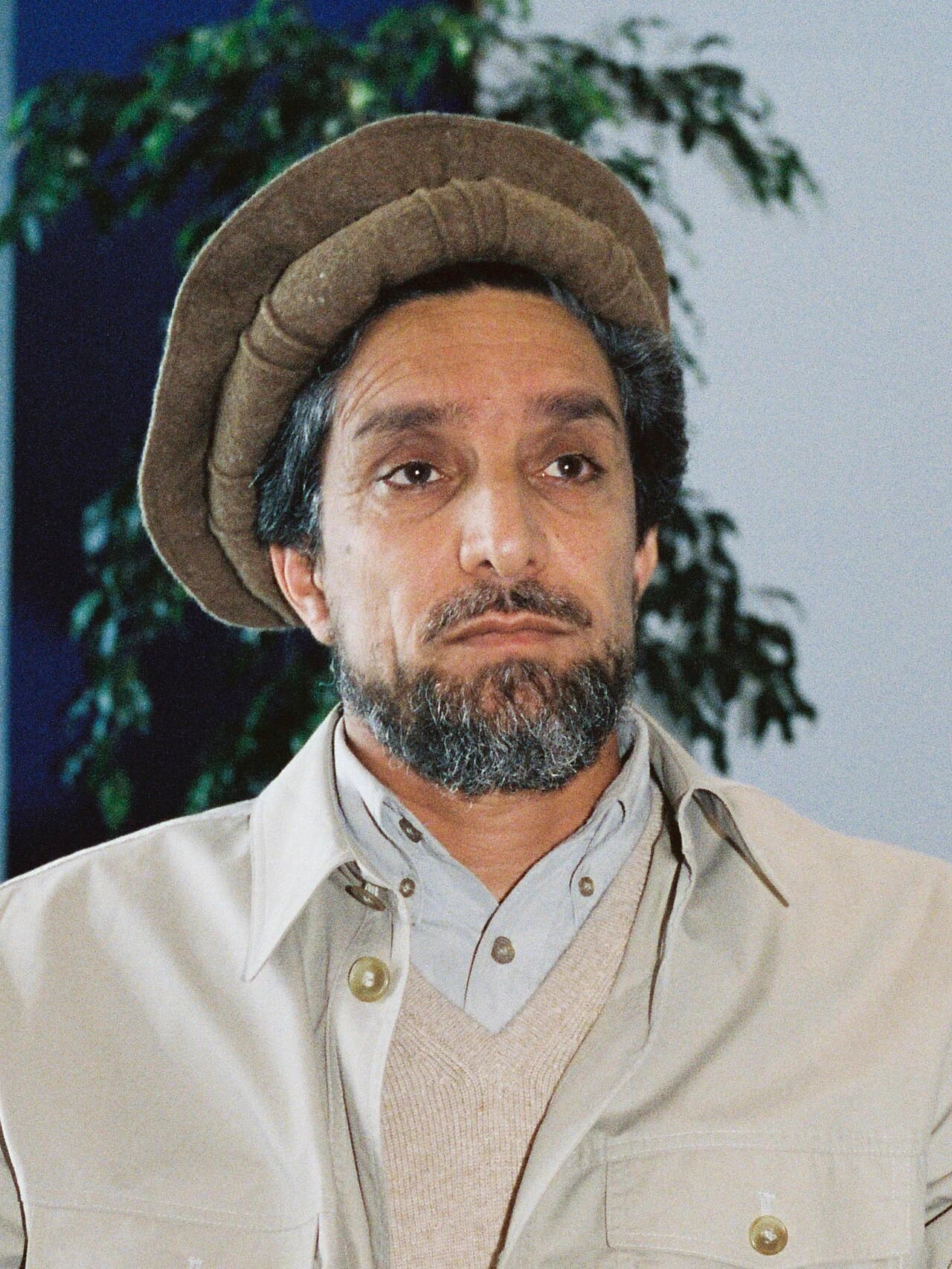
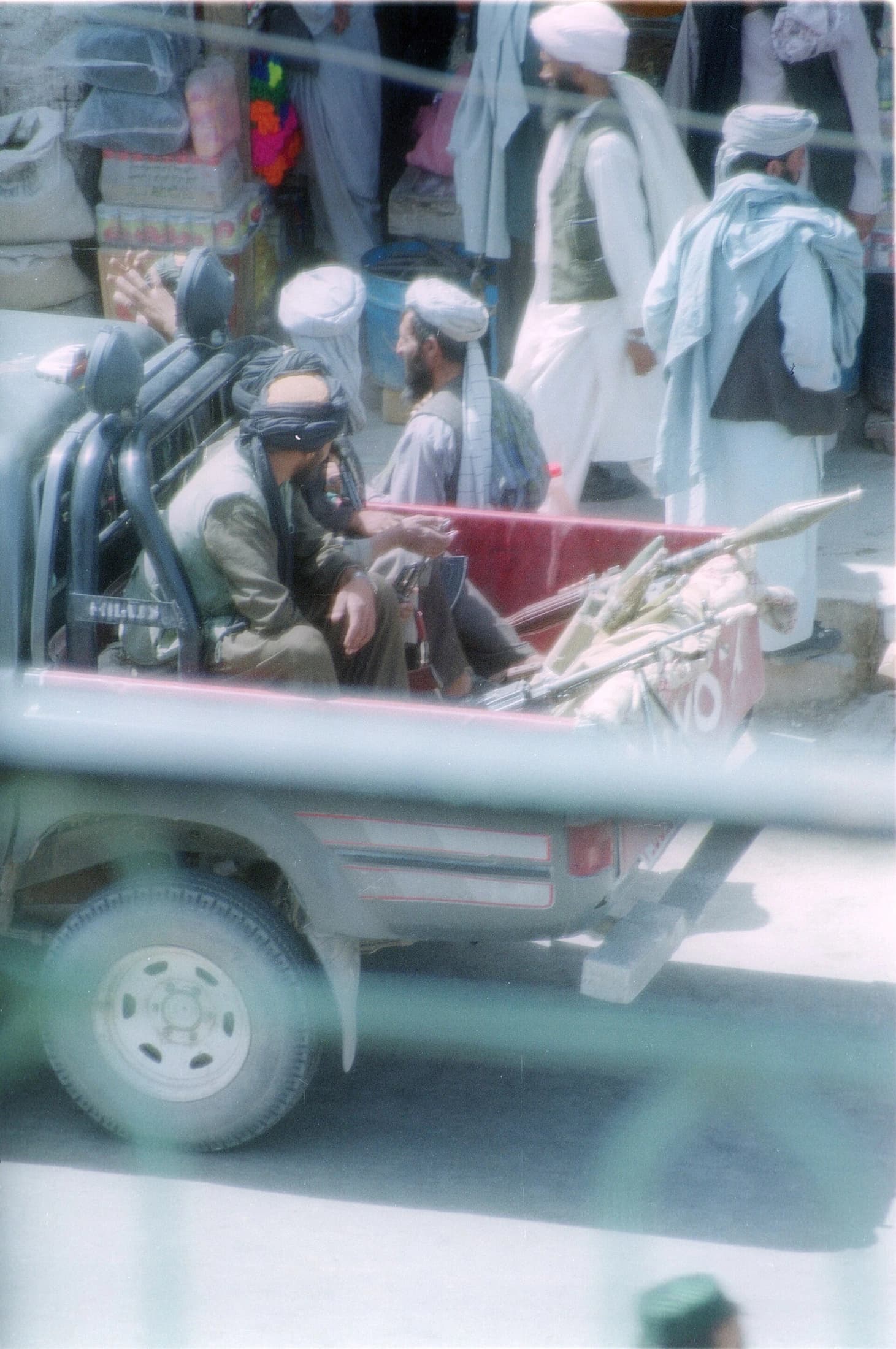
The Taliban captured Kabul and established an emirate that controlled most of the country by 2001.
#Taliban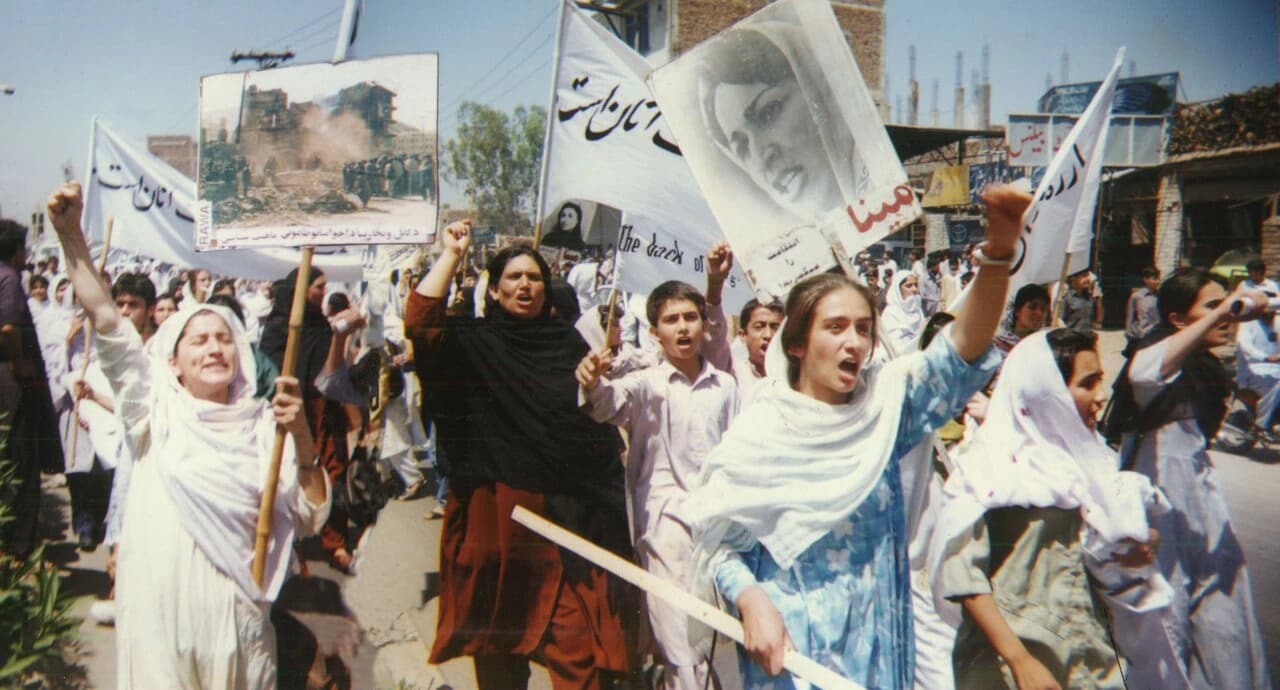
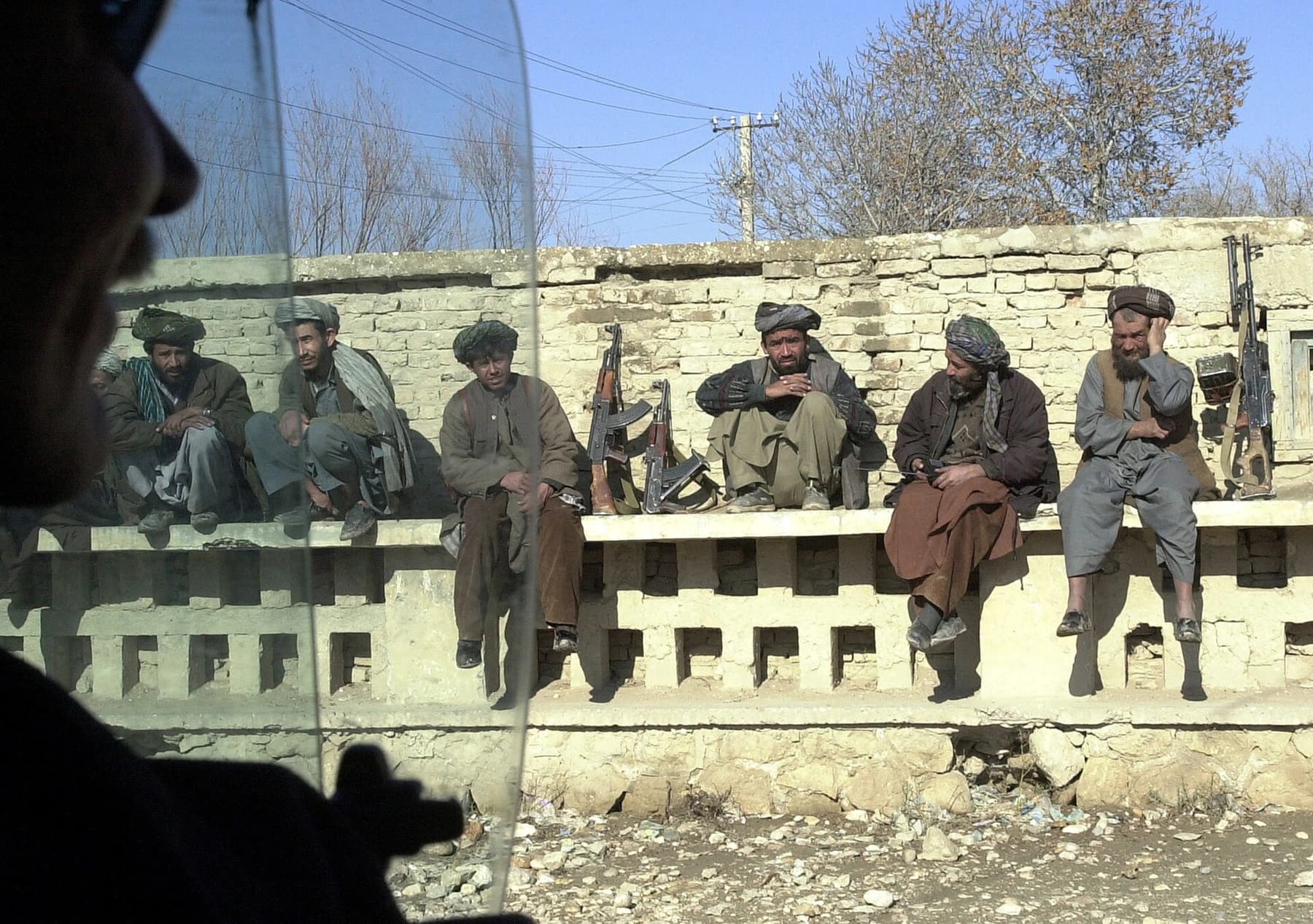
A U.S.-led campaign began in October, and the first Taliban government collapsed by December.
#2001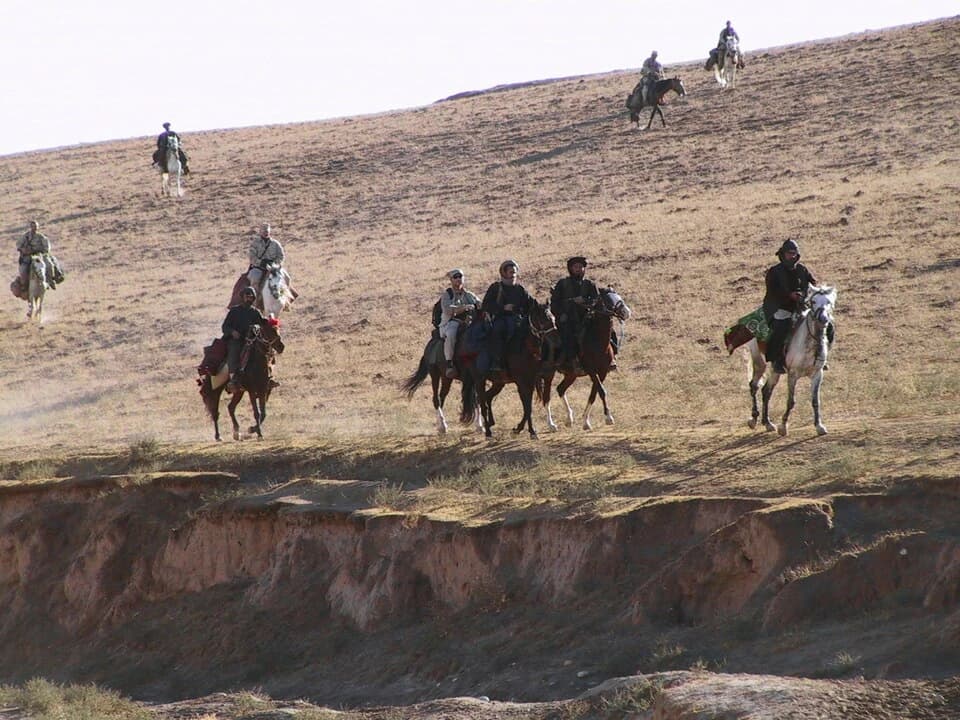
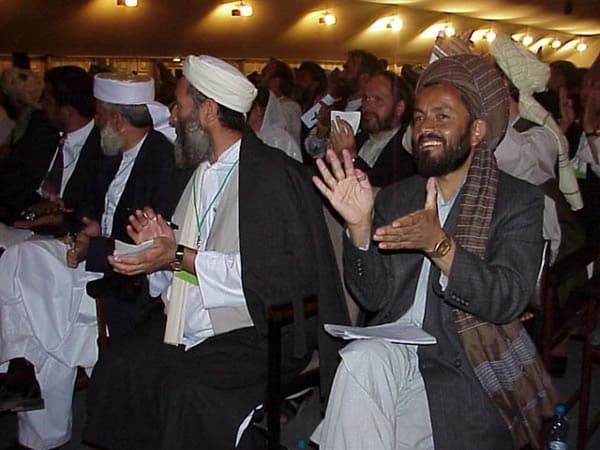
An interim authority, loya jirga and transitional administration led toward a new constitution.
#BonnProcess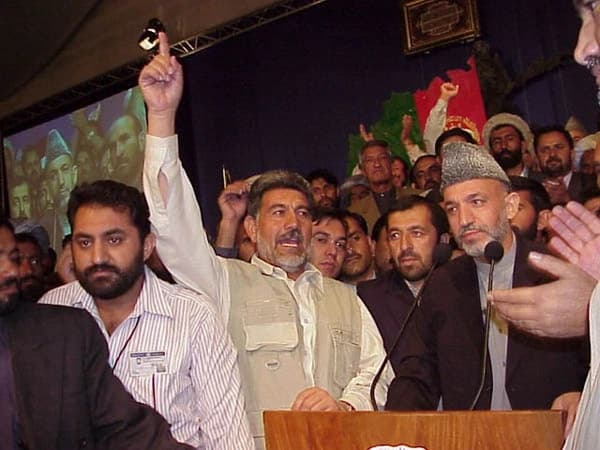
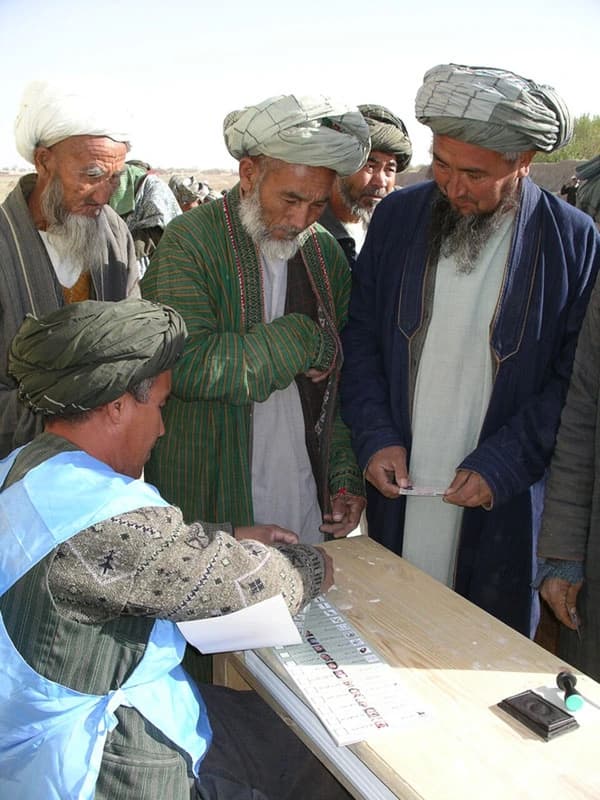
A new constitution established a presidential republic followed by elections and institution-building.
#Constitution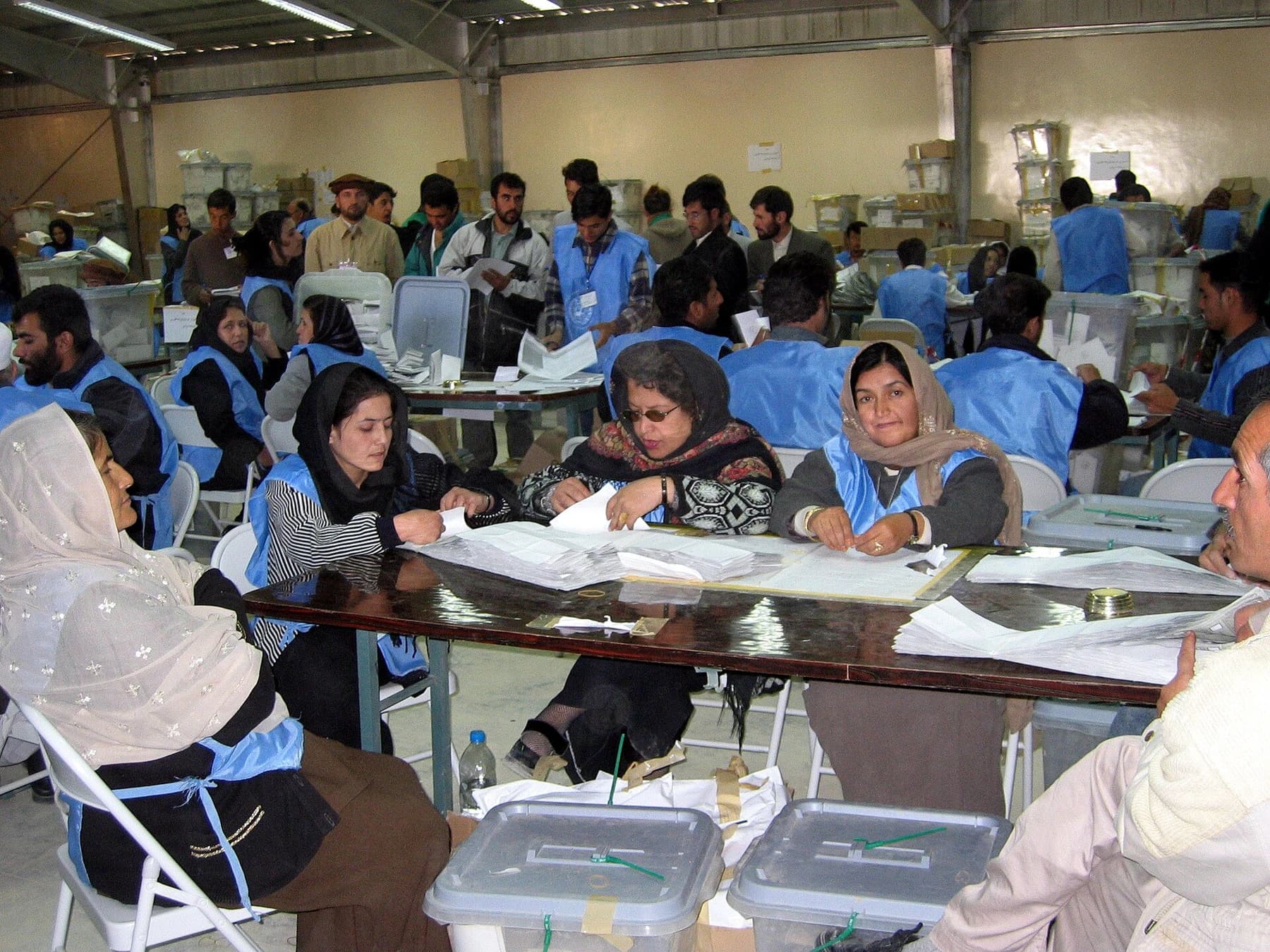
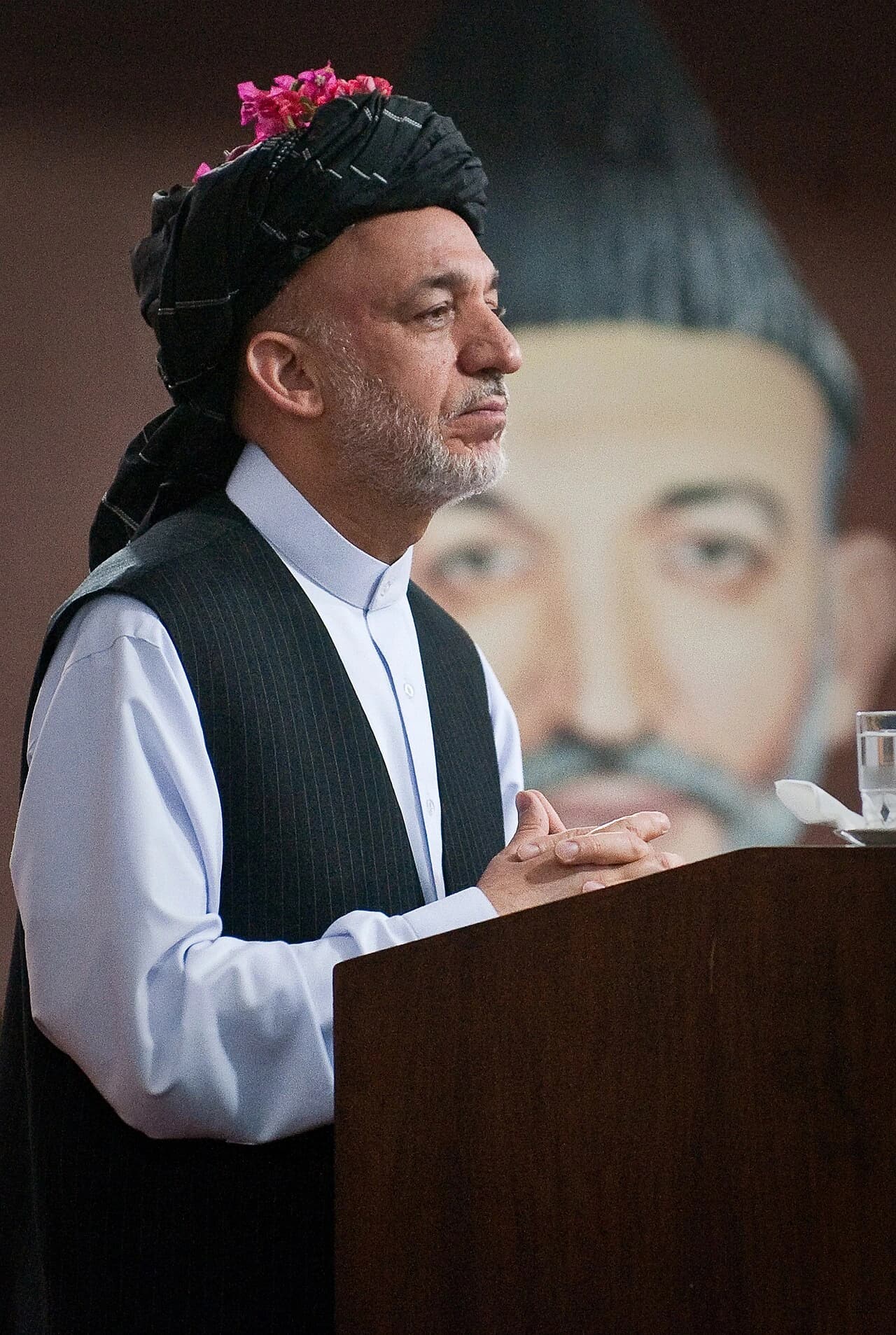
Public institutions and infrastructure expanded amid conflict, patronage and dependence on foreign aid.
#Karzai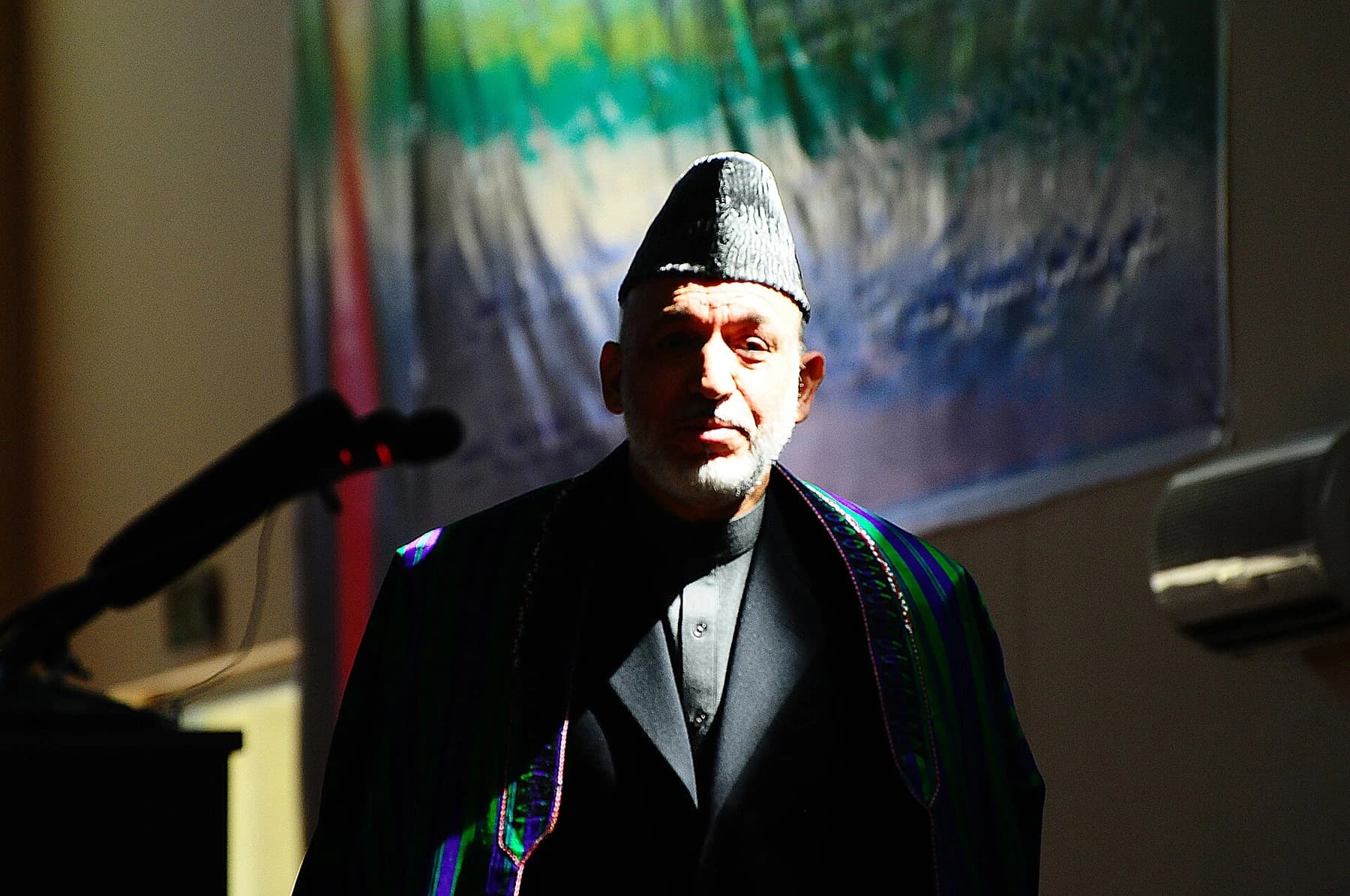
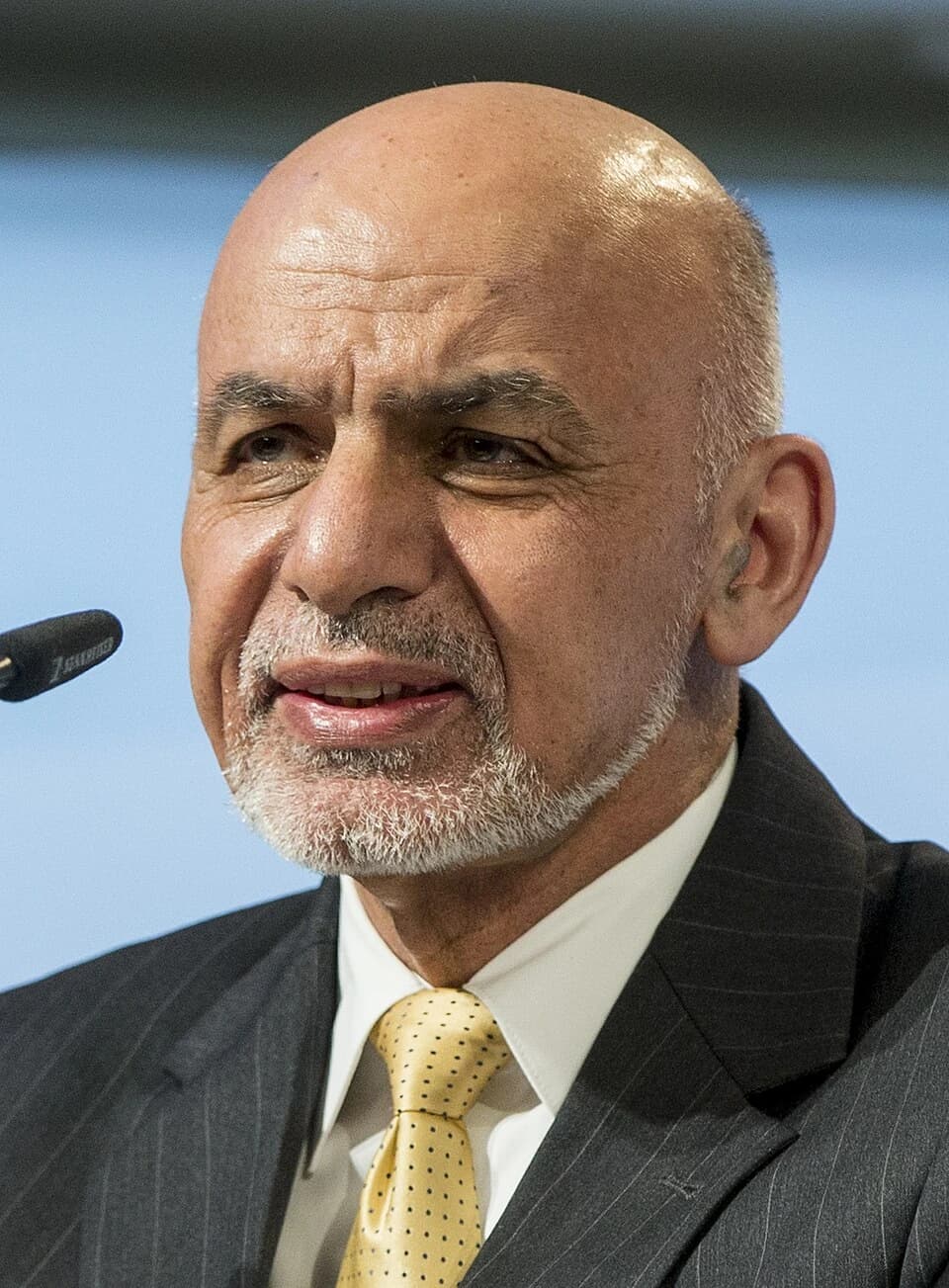
Reform efforts faced disputed elections, corruption, insurgency and mounting pressure on security forces.
#Ghani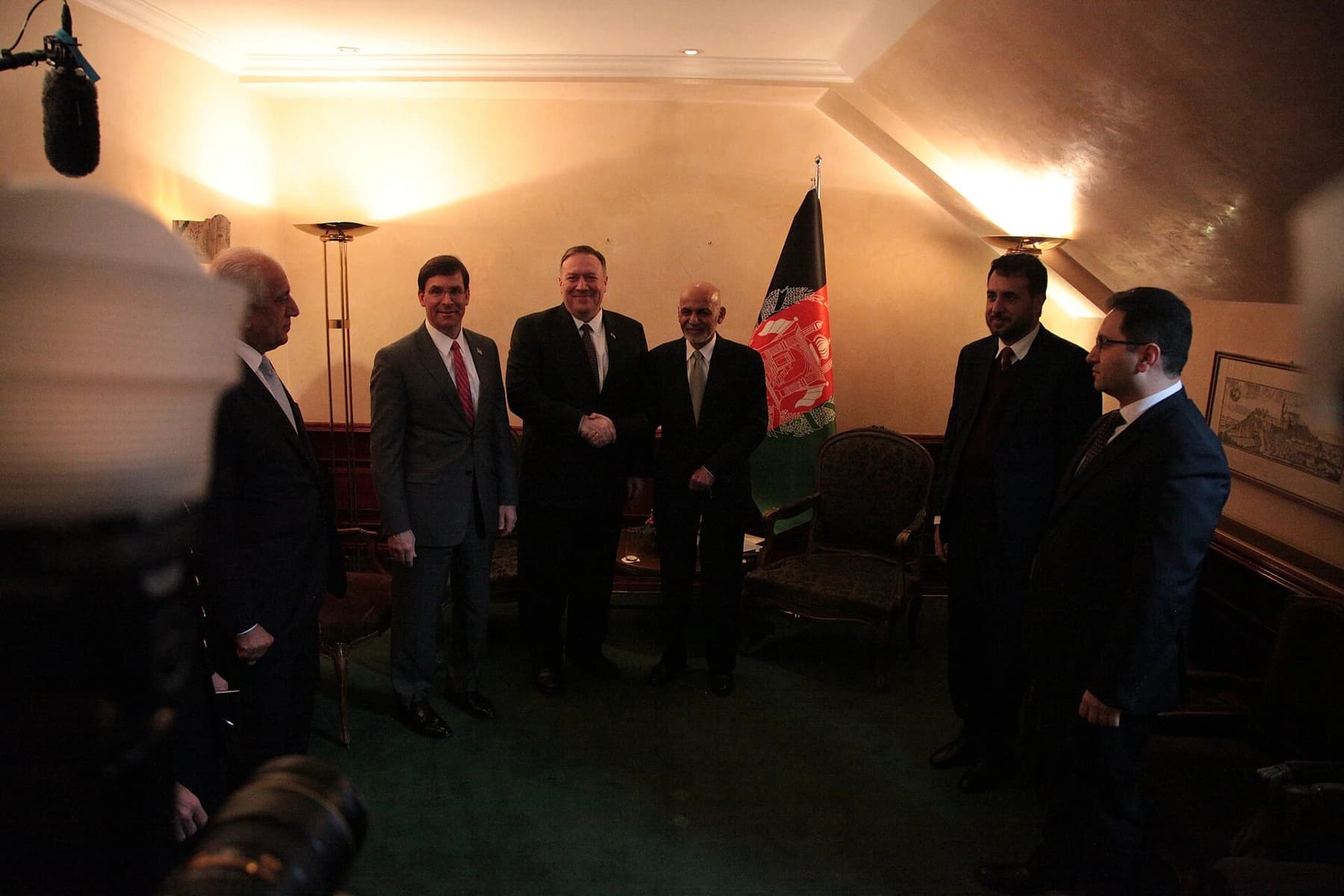
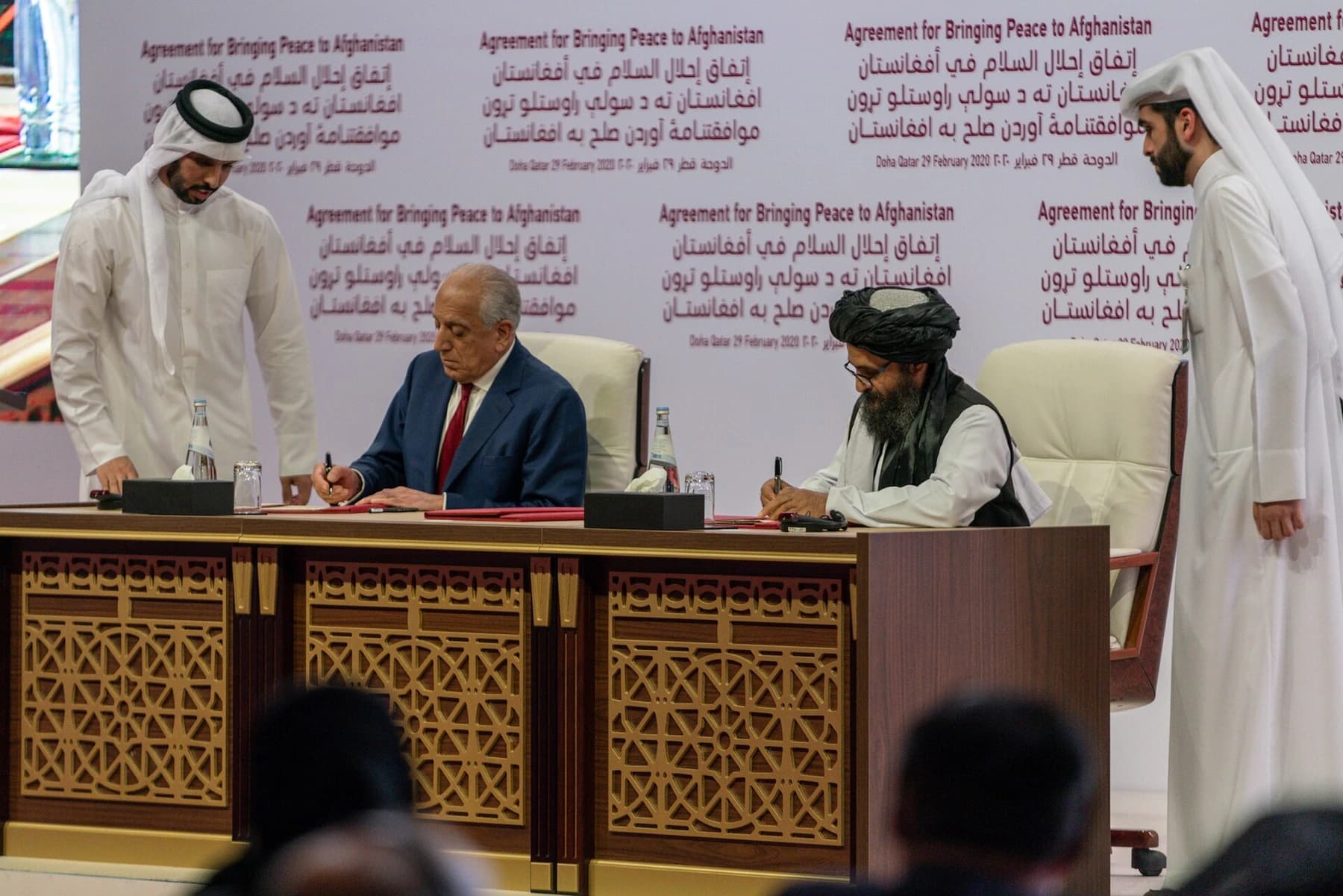
The United States and Taliban linked international troop withdrawal to Taliban commitments.
#DohaAgreement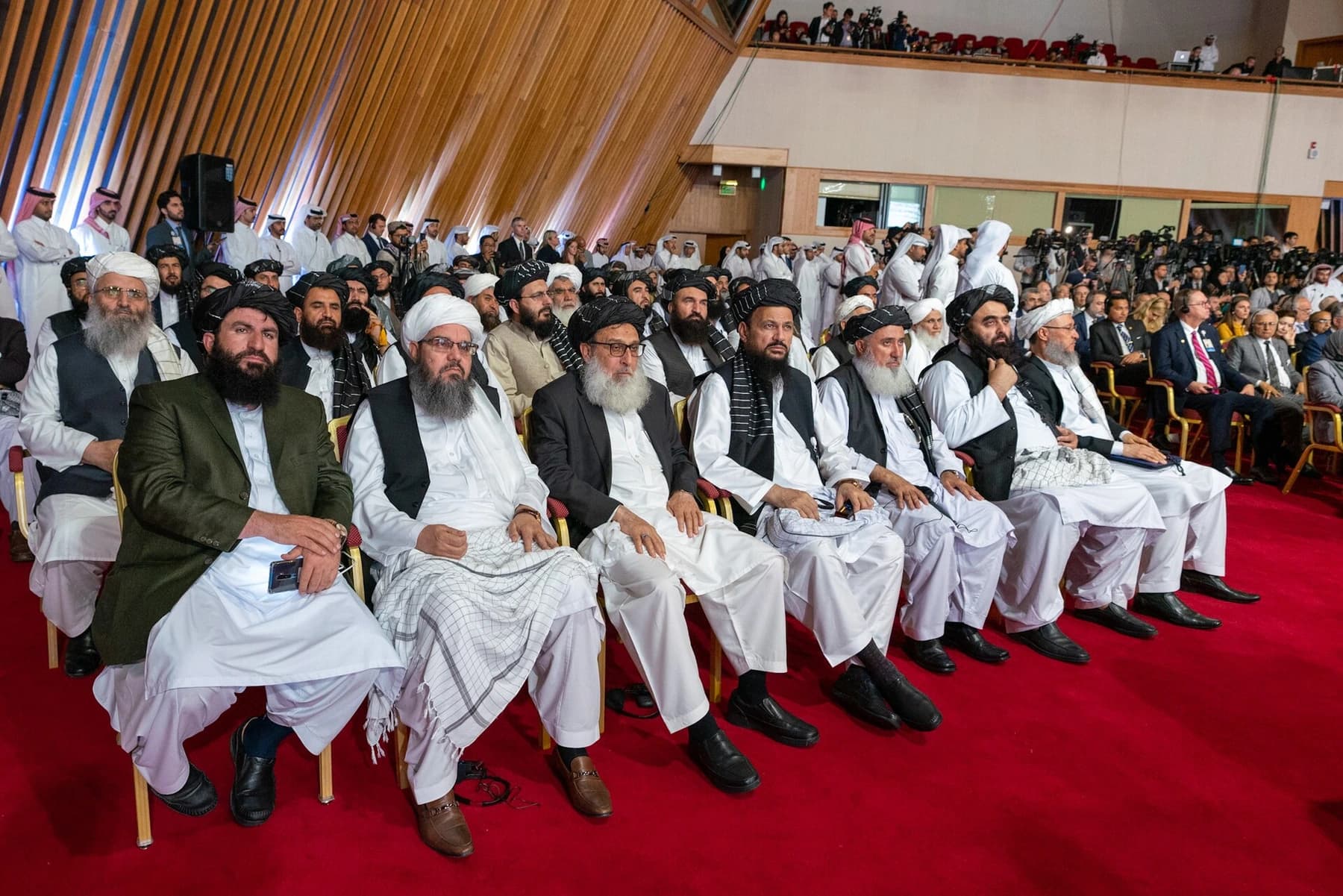
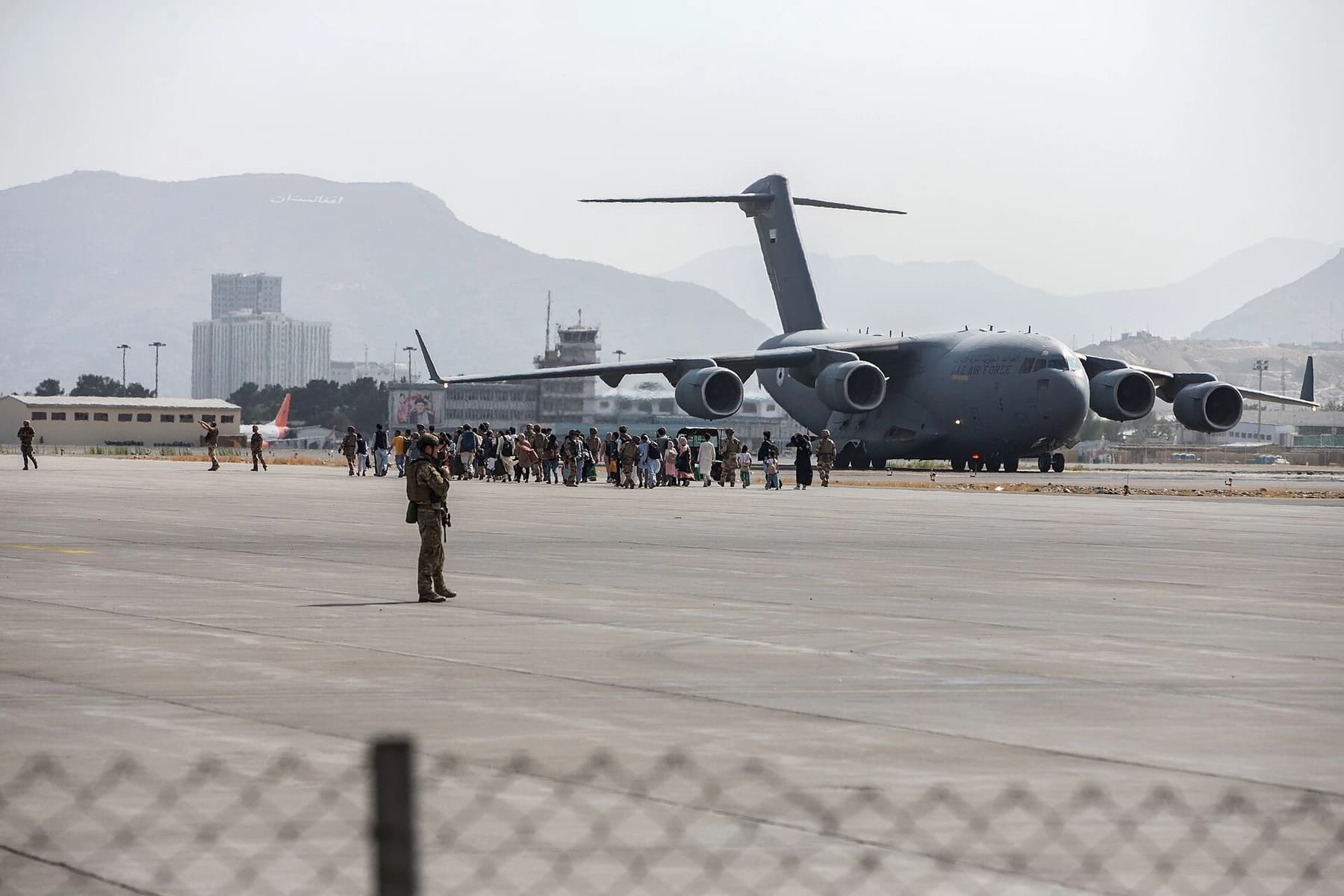
The Republic collapsed as Taliban forces entered Kabul and later announced a caretaker government.
#August2021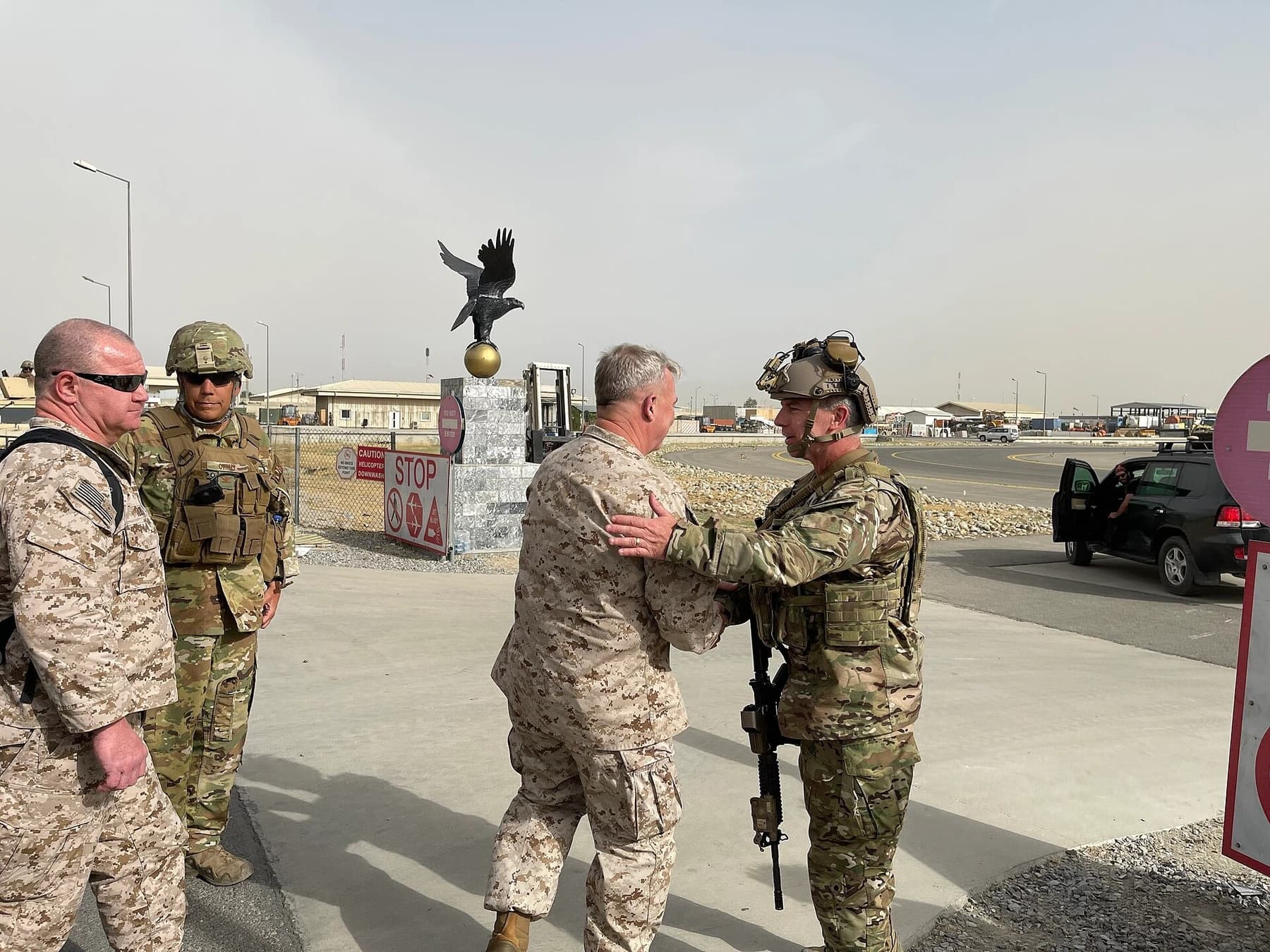
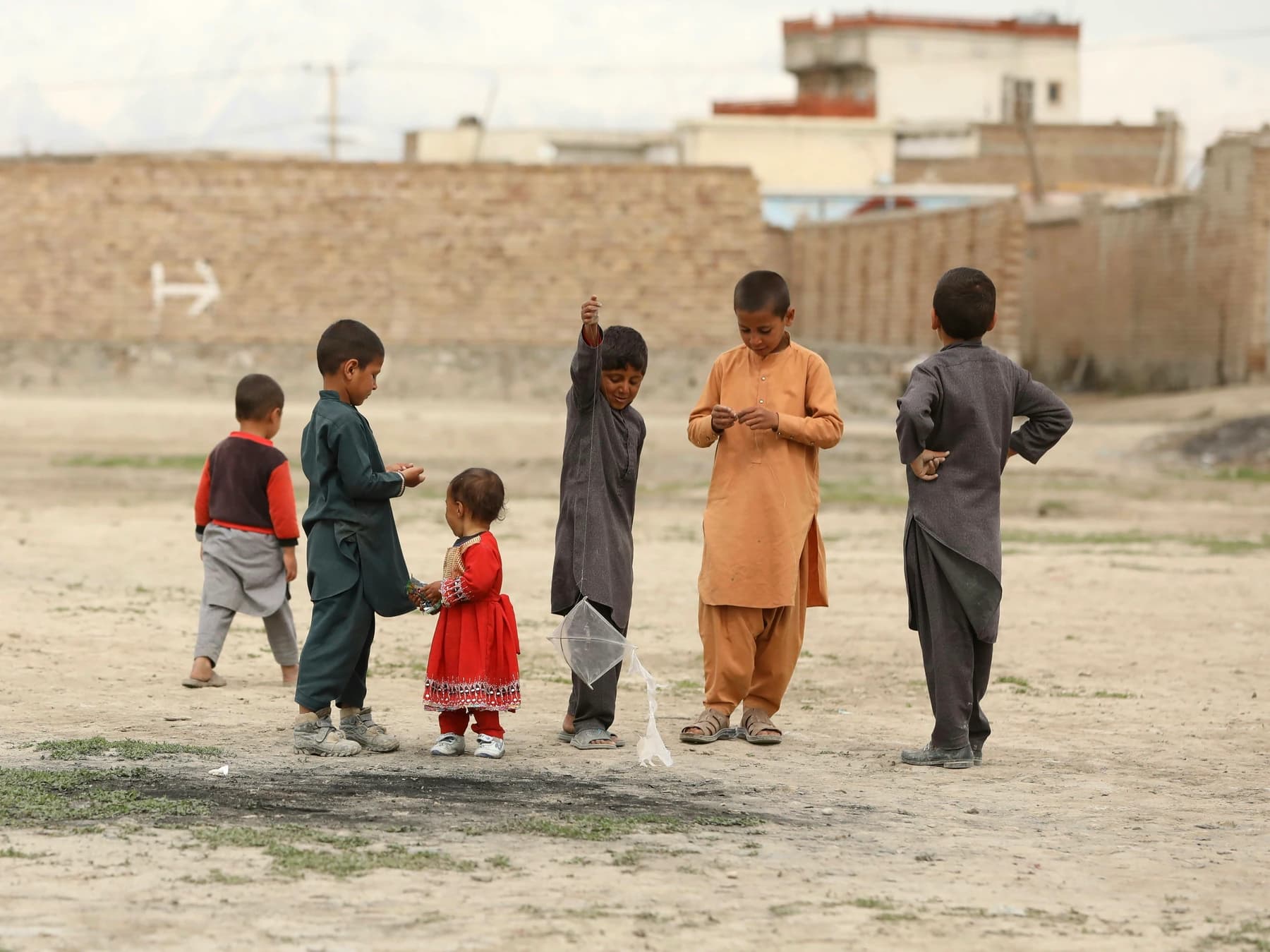
Afghans continue family, cultural and economic life amid humanitarian pressures, displacement and restrictions.
#AfghanistanToday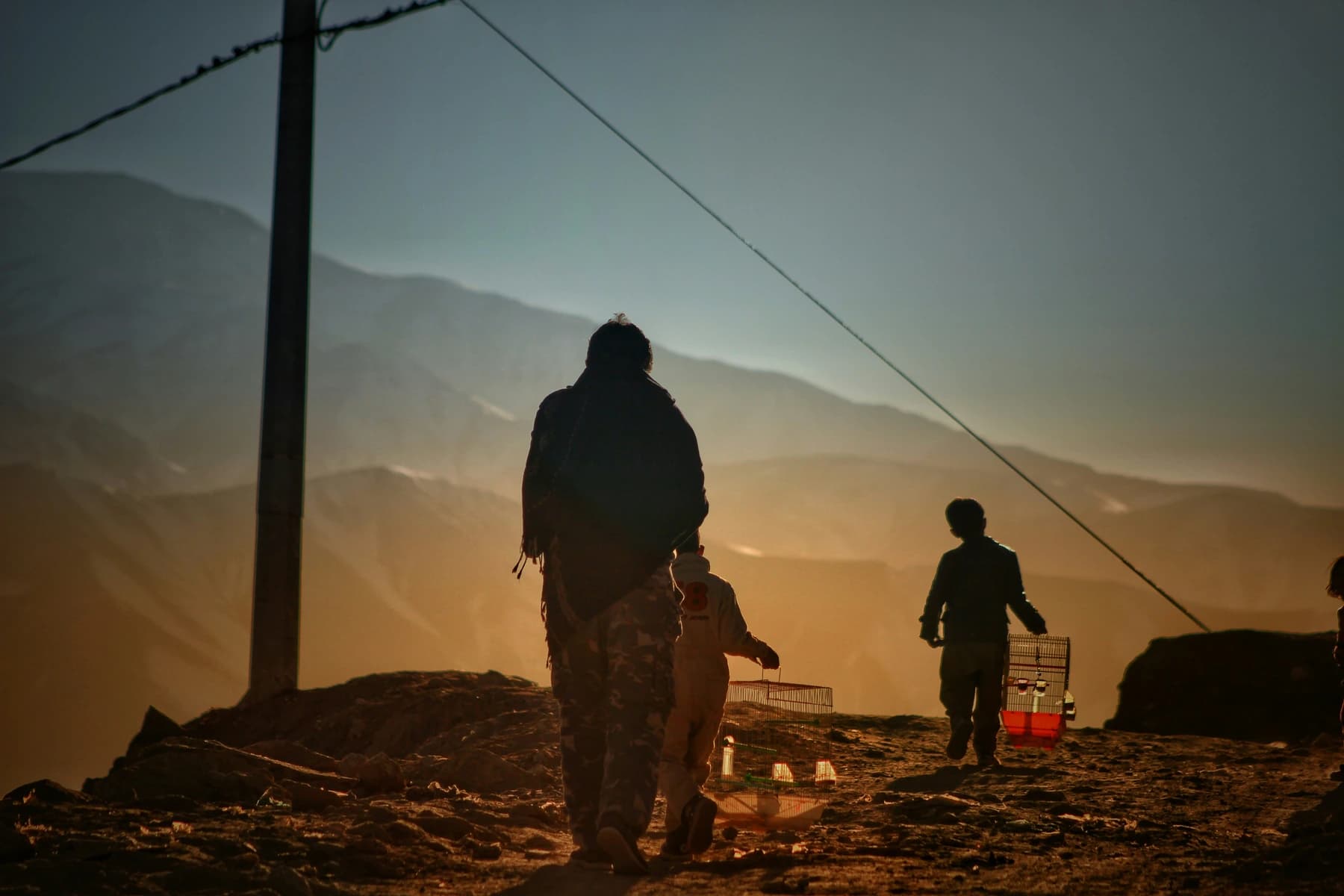
Pashto and Dari are Afghanistan’s official languages. The country is also multilingual, with languages such as Uzbek, Turkmen, Balochi, Nuristani and Pamiri languages spoken across different regions.
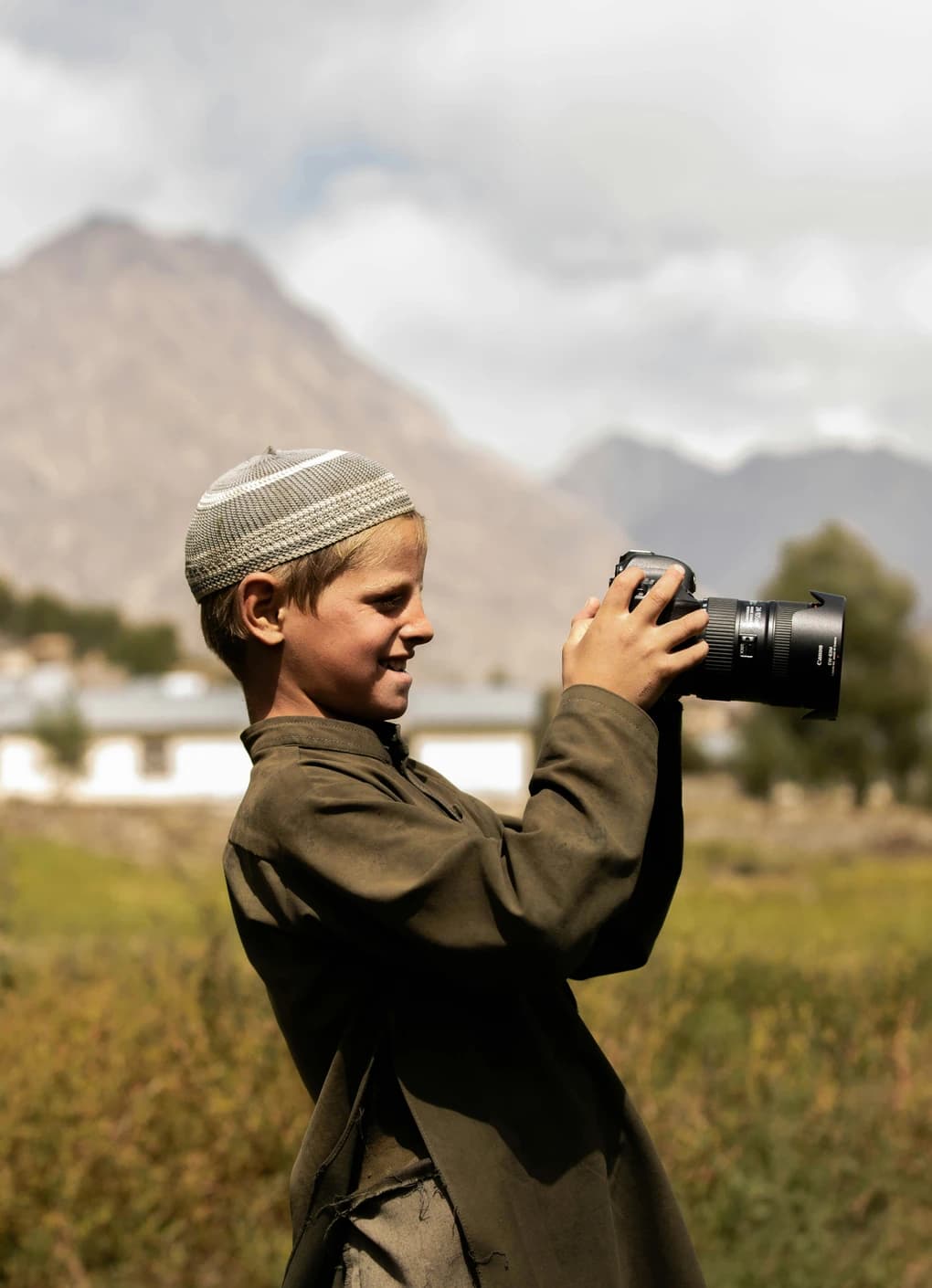
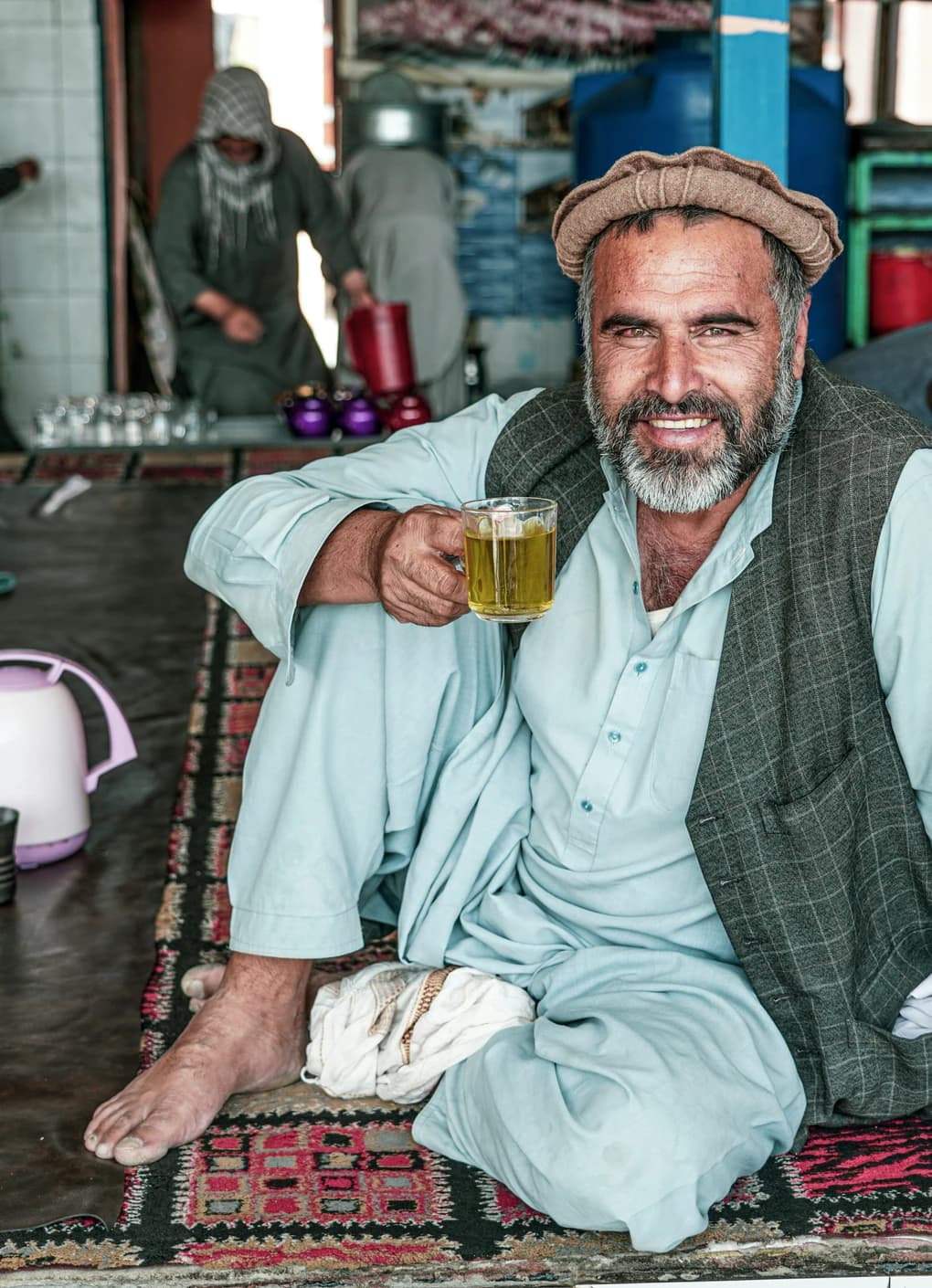
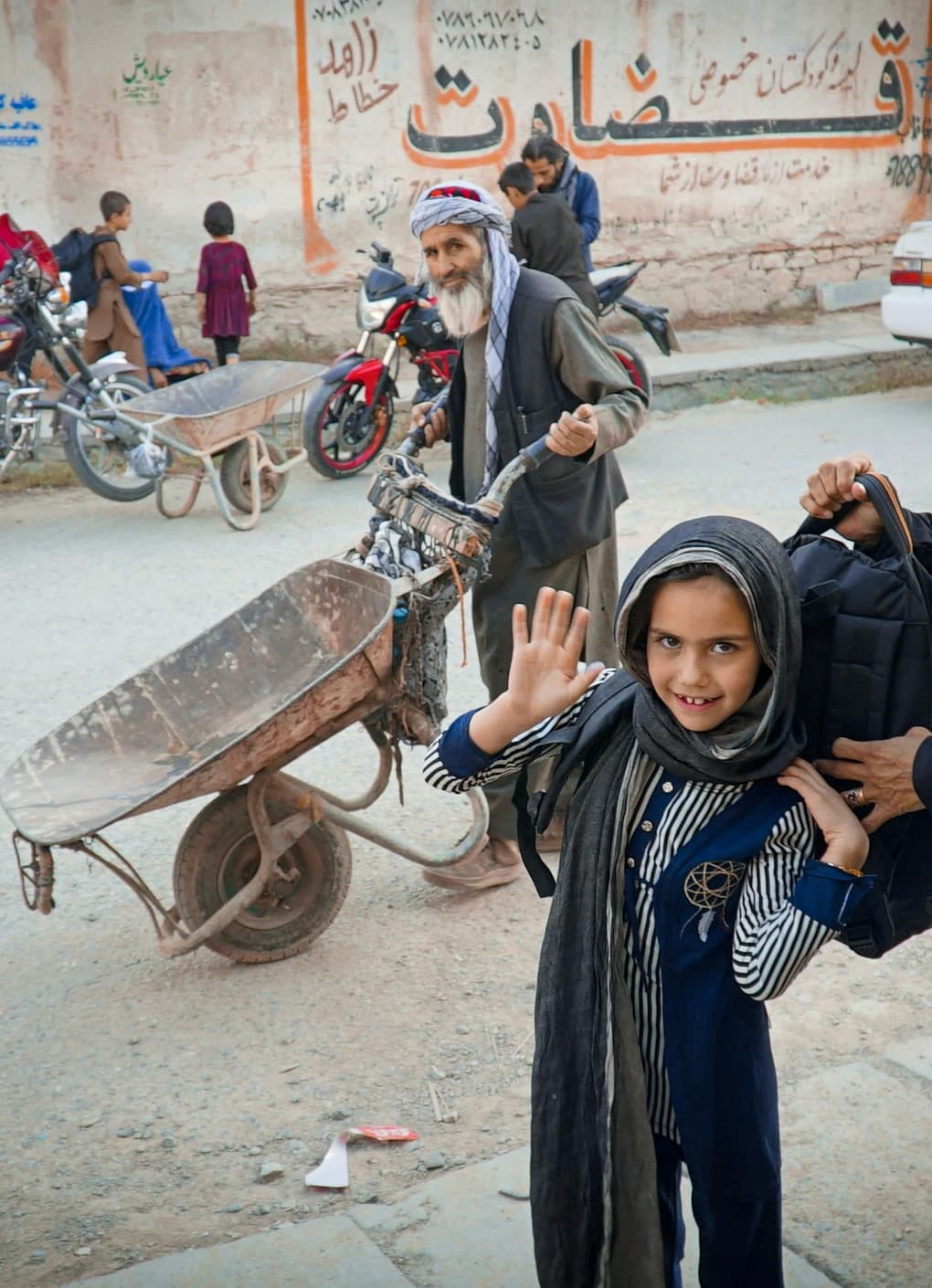
From the people who shape the country to the everyday moments that define it.
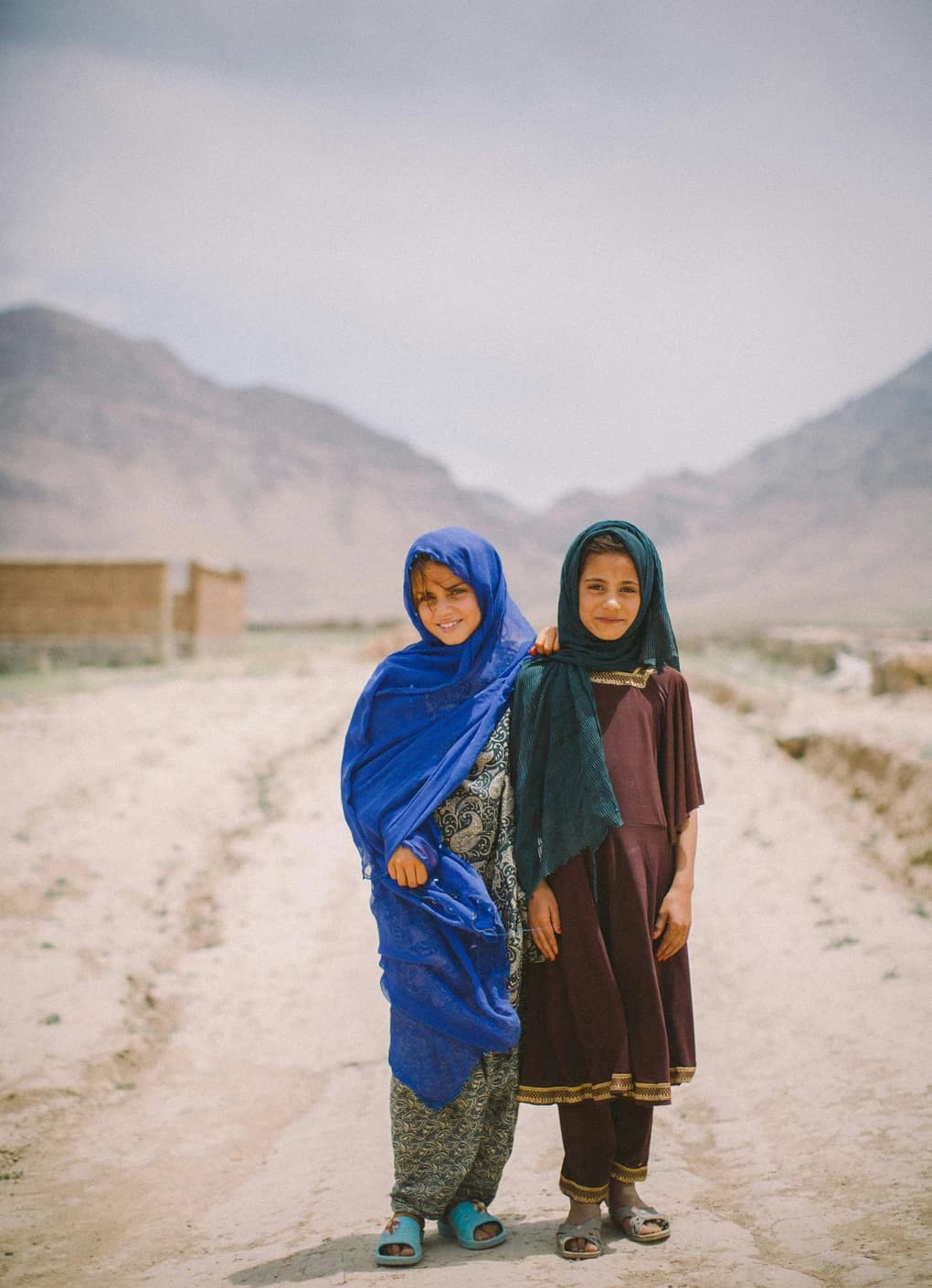
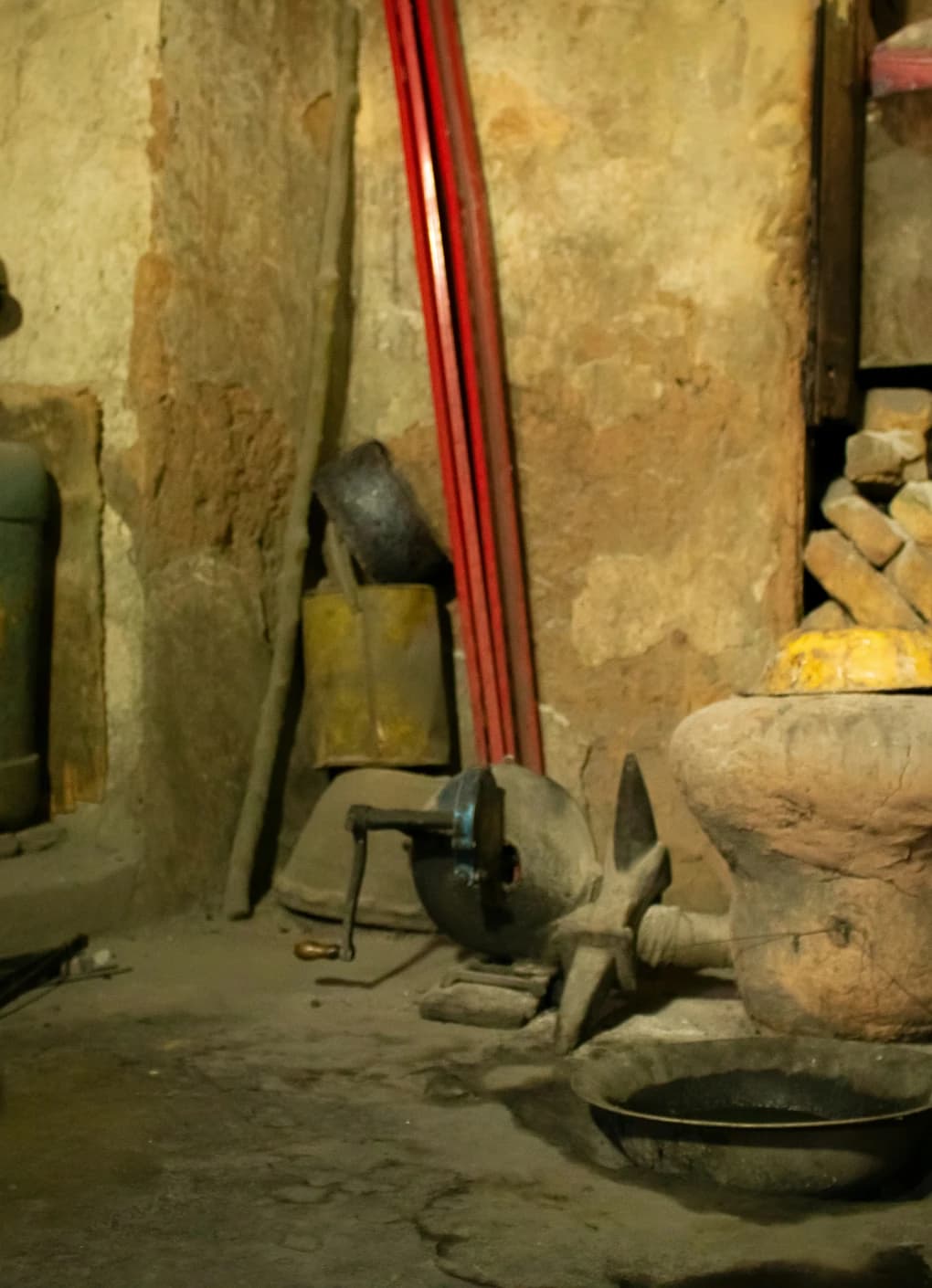
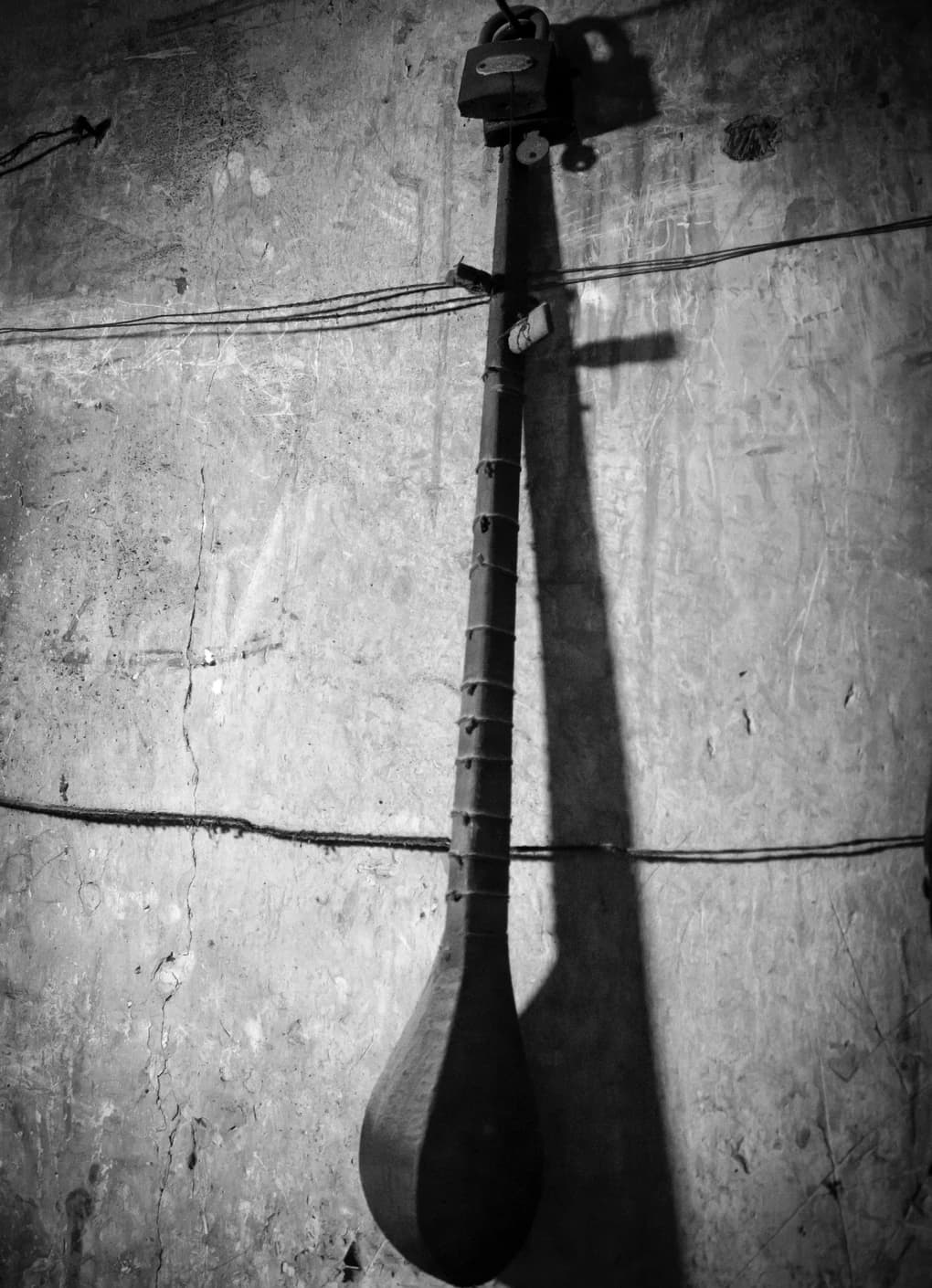
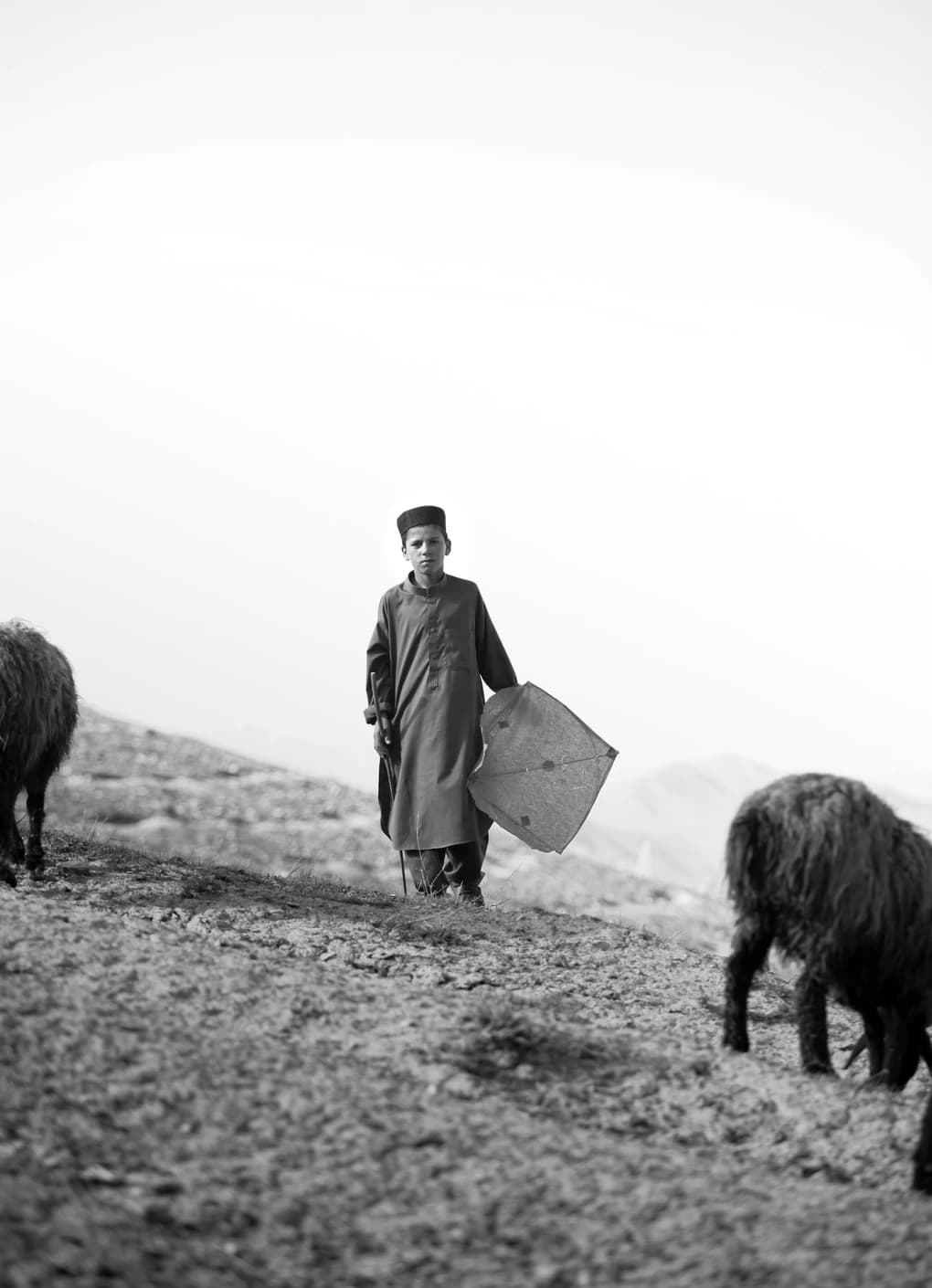
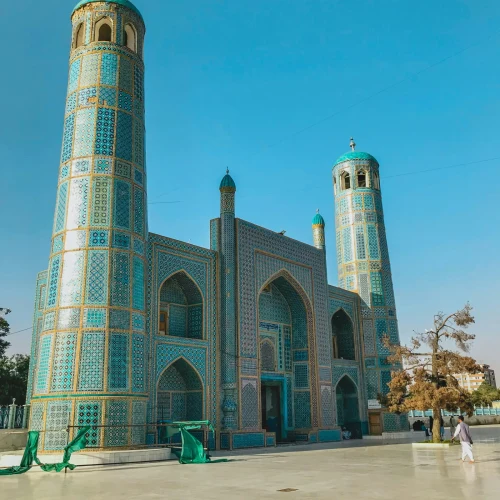
Across Afghanistan, monuments and cultural landscapes
preserve stories shaped across thousands of years.



Mountains, basins, rivers and borders
Highland winters and arid lowlands
A guide to all 34 provinces
Pashto, Dari and a multilingual society
People, identity and regional life
Textile, form and local variation
Instruments, song and performance
Classical voices and oral traditions
Fortresses, mosques, gardens and homes
From buzkashi to football and cricket
Regional dishes and the shared table
Species of mountain, steppe and wetland
Learning across changing generations
Roads, passes and regional links
Mobile networks and digital life

For visas, entry requirements, security and travel restrictions, always use current official sources and the dedicated Travel Info pages.
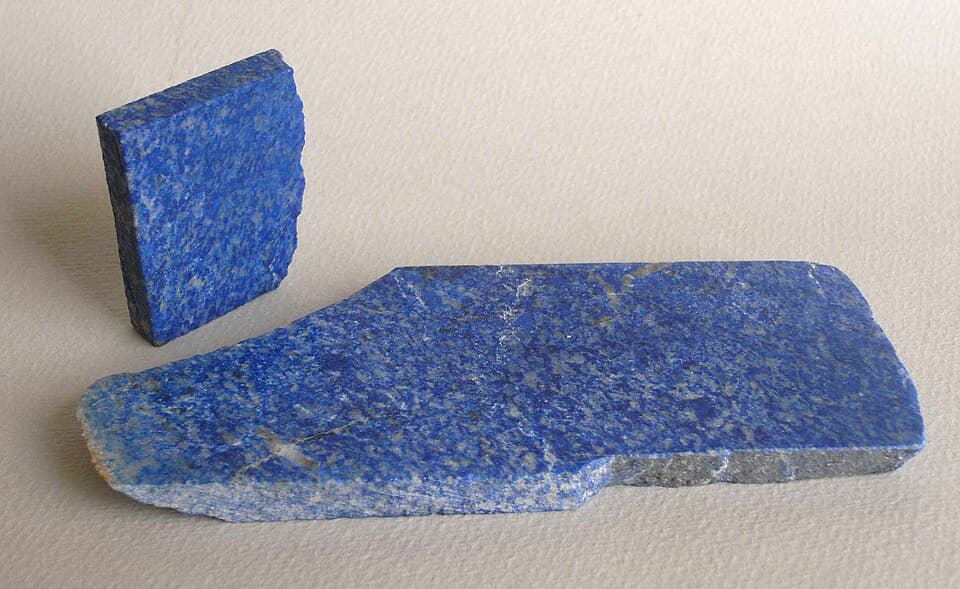
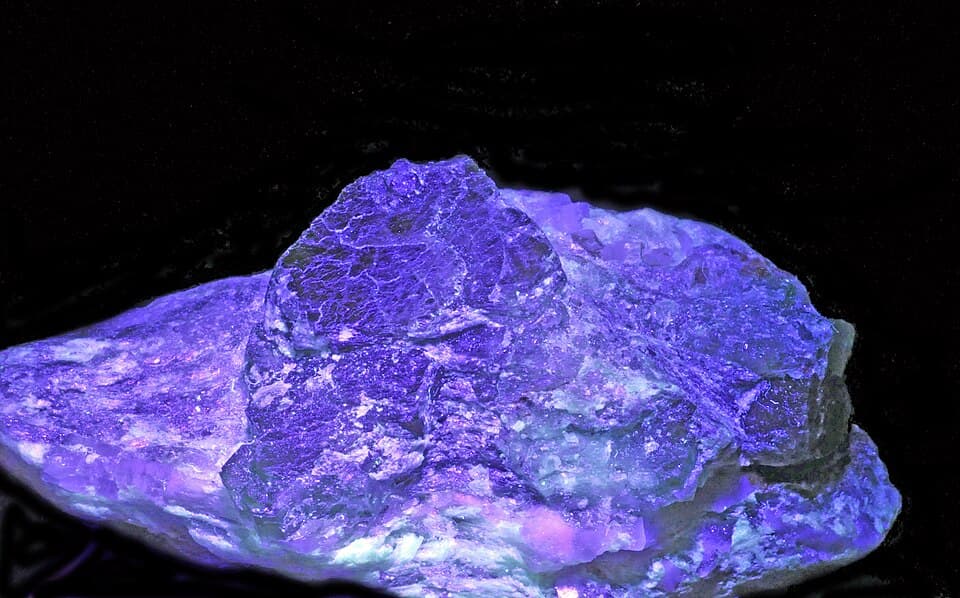
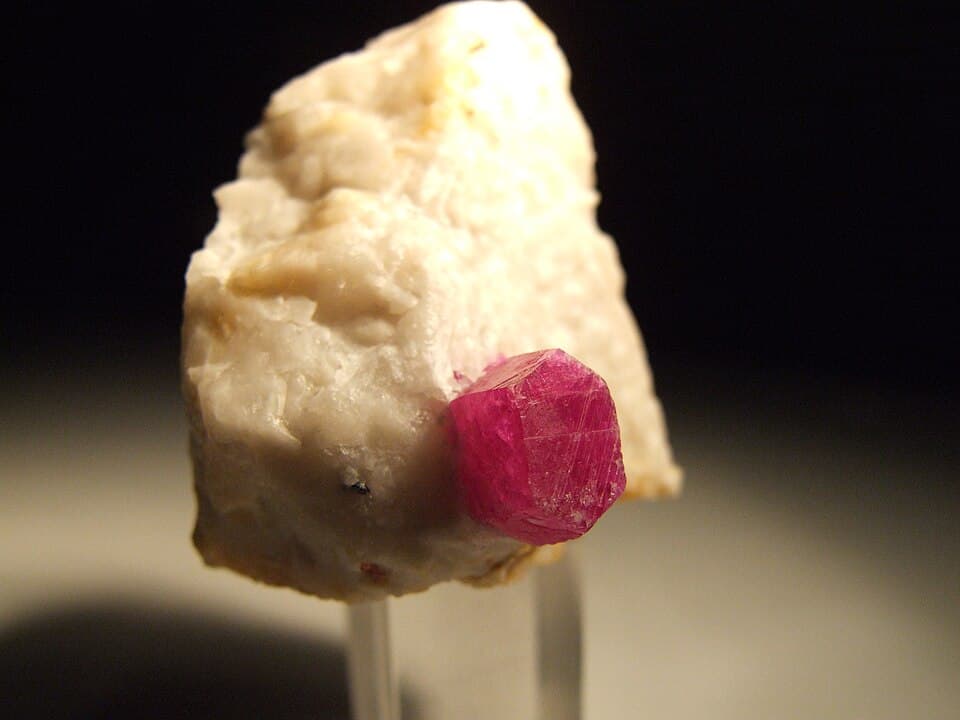
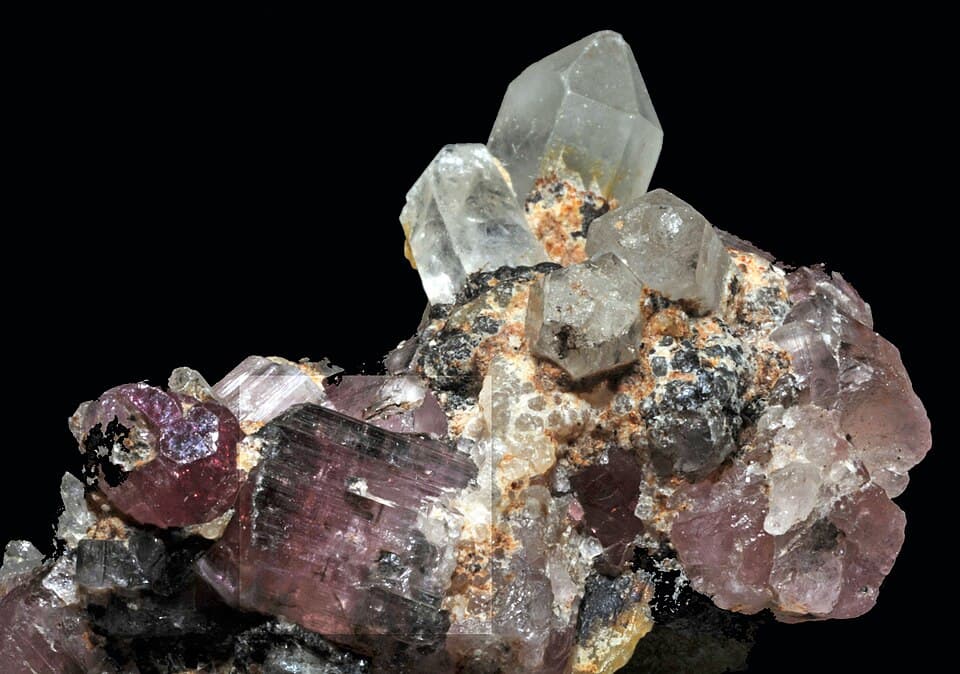
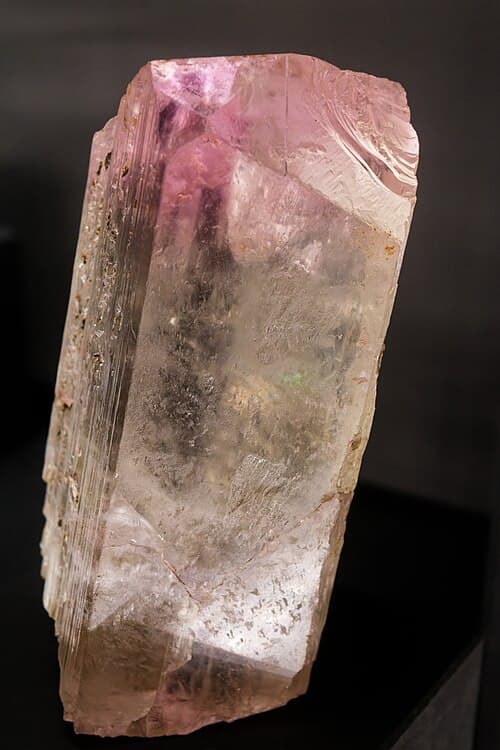
Afghanistan is known for its mountain landscapes, Silk Road history, archaeological heritage, poetry, carpets, gemstones, regional cuisines and traditions of hospitality.
Afghanistan is a landlocked country at the meeting point of Central and South Asia, bordered by Iran, Pakistan, Turkmenistan, Uzbekistan, Tajikistan and China.
Pashto and Dari are official languages. Uzbek, Turkmen, Balochi, Pashai, Nuristani languages, Pamiri languages and others are also spoken.
The standard English term is Afghan. It refers to a citizen or person from Afghanistan, regardless of ethnic community.
Different parts of today's country belonged to regions and states known by names such as Bactria, Ariana and Khorasan. These terms refer to changing historical geographies, not exact synonyms for the modern state.
Costs vary greatly by route, transport, accommodation and required local support. Use the dedicated Money & Costs and Travel Info pages for current planning rather than relying on a fixed estimate.
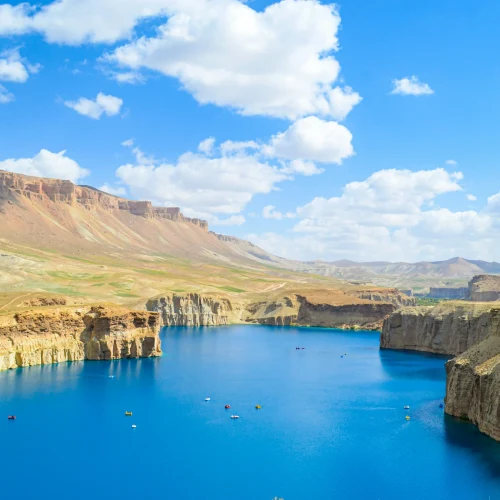
Potential experiences include historic cities, mountain valleys, Band-e-Amir, Bamyan, architecture, markets, cuisine and locally guided cultural encounters. Check current official travel advice, entry rules and the site's Travel Info pages before considering a trip.
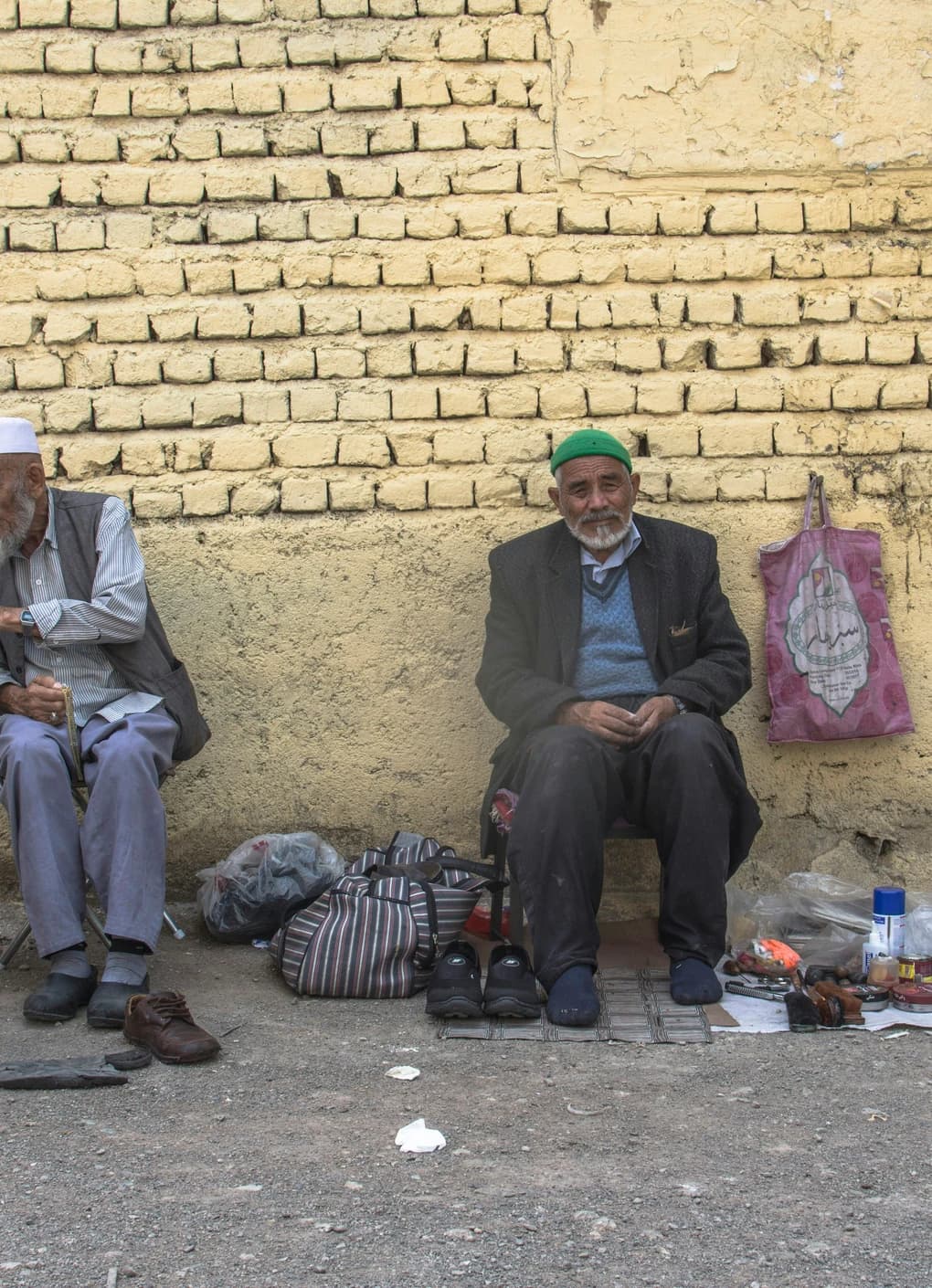
Hospitality, respect for family and community, poetry, storytelling, music, carpet weaving, embroidery, woodwork, regional clothing and a generous food culture are all important.
Spring and autumn are often milder in many cities, while summer can suit high-altitude regions. Conditions vary sharply by elevation, and current access and safety guidance matter more than season alone.
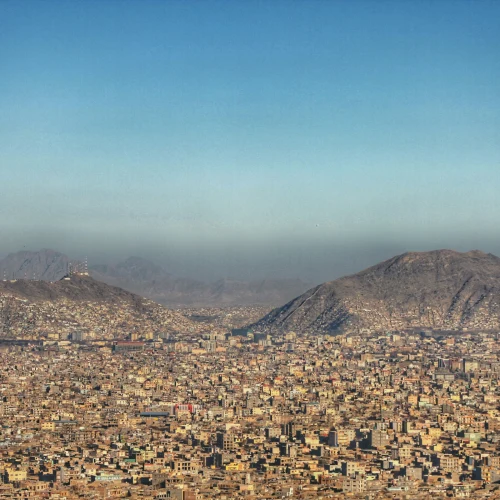
Afghanistan has 34 provinces, with Kabul as the capital. You can explore every province on the Places to Visit map.
The currency is the Afghan afghani, abbreviated AFN.
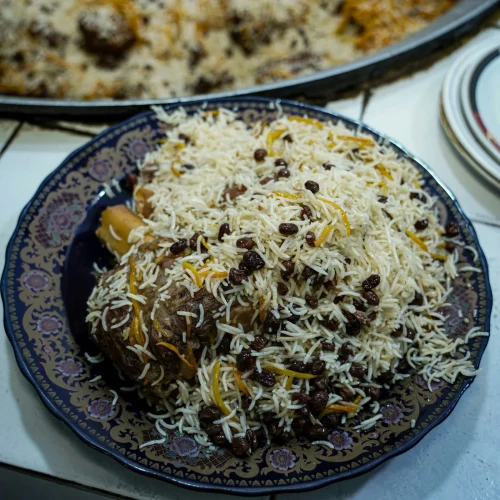
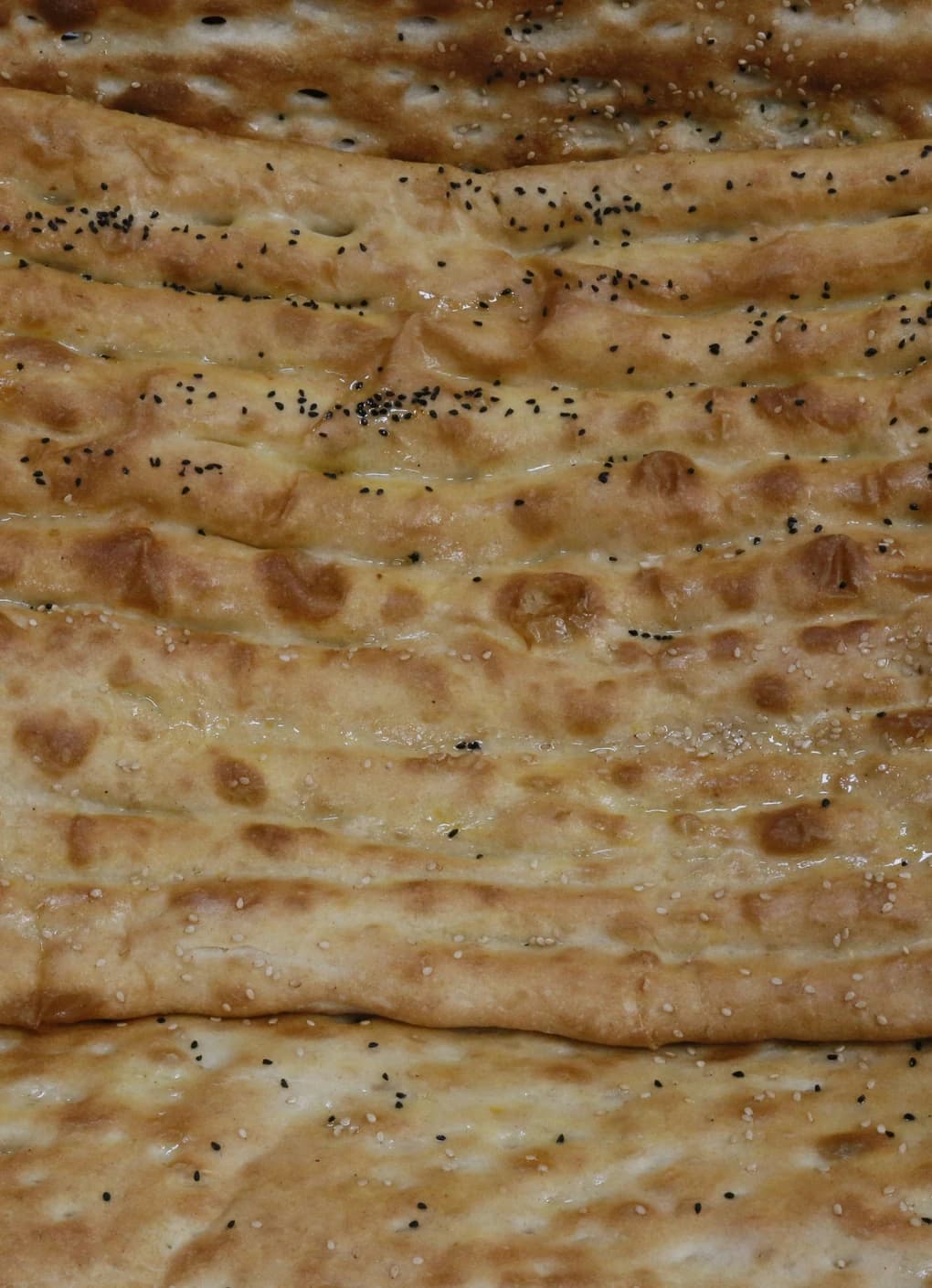
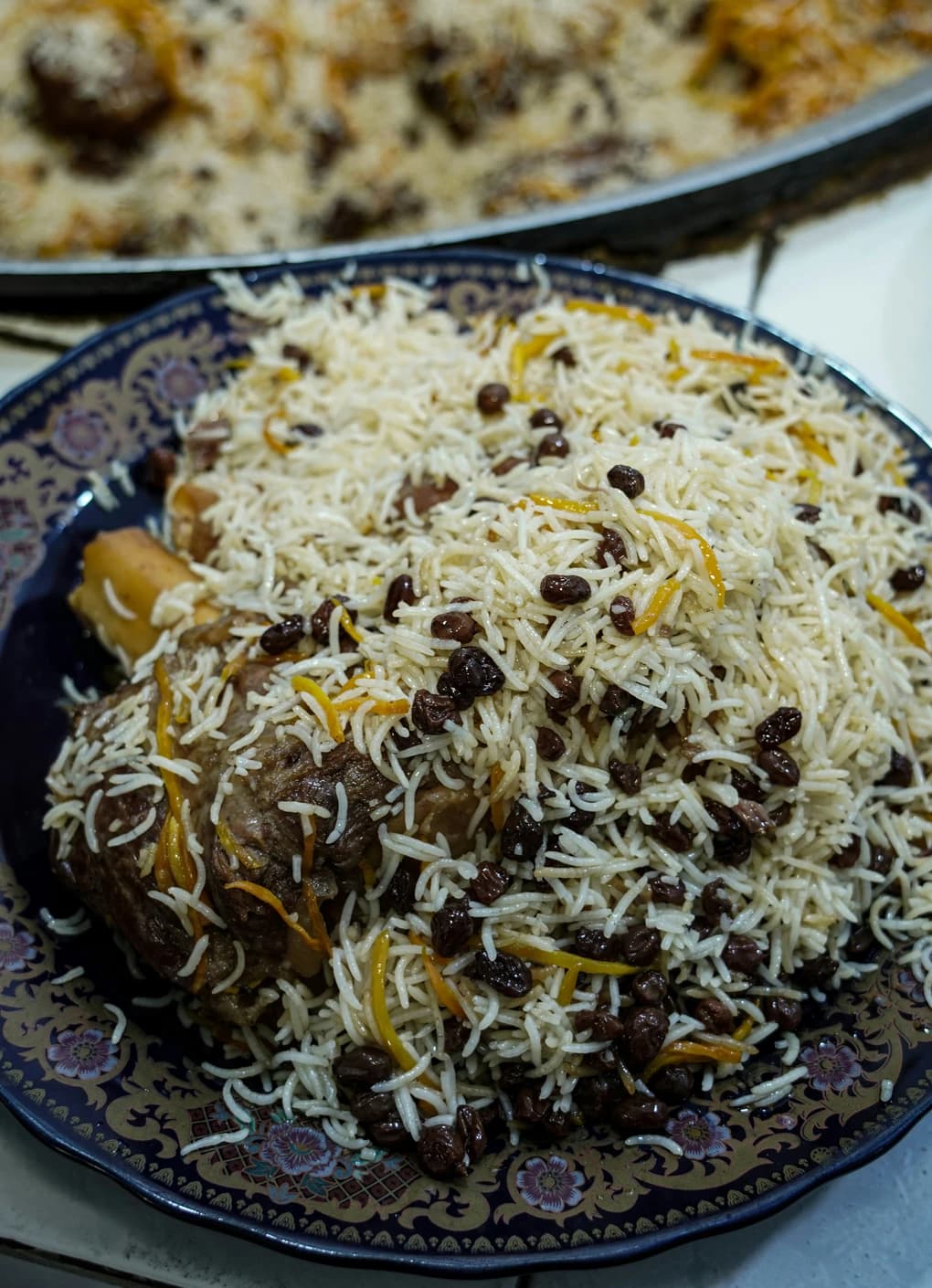
Kabuli palaw, mantu, ashak, bolani, kebabs, breads, qorma, fruit, nuts and green or black tea are among the best-known foods, with wide regional variation.
WE DO NOT HAVE A CHOICE. WE HAVE TO BE THE BEST. OUR COUNTRY IS OUR HOME.
