

ROOTS
- 1. CRAFTS
- 2. TRADITIONS
- 3. MUSIC
- 4. LOCAL LIFE
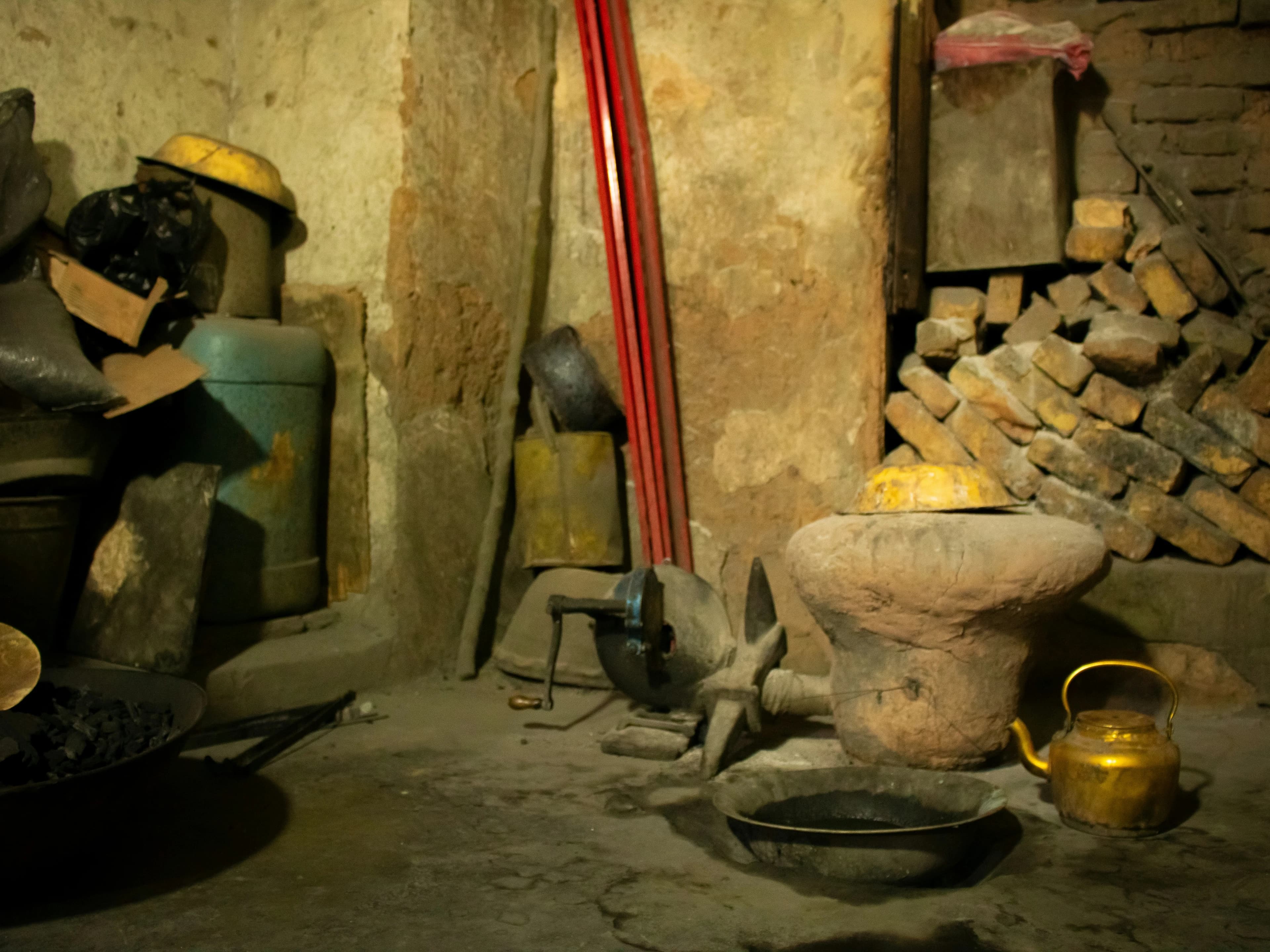
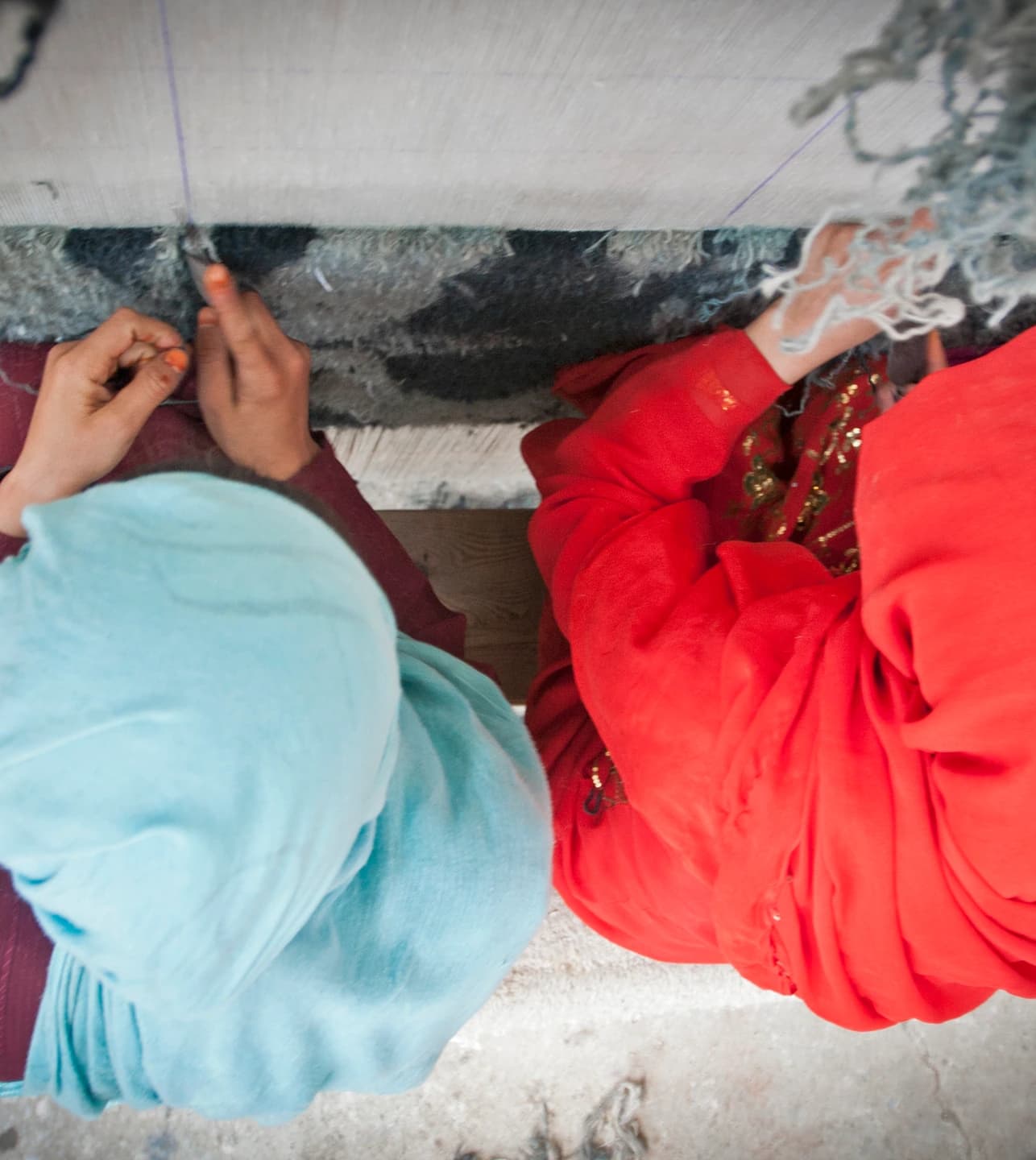
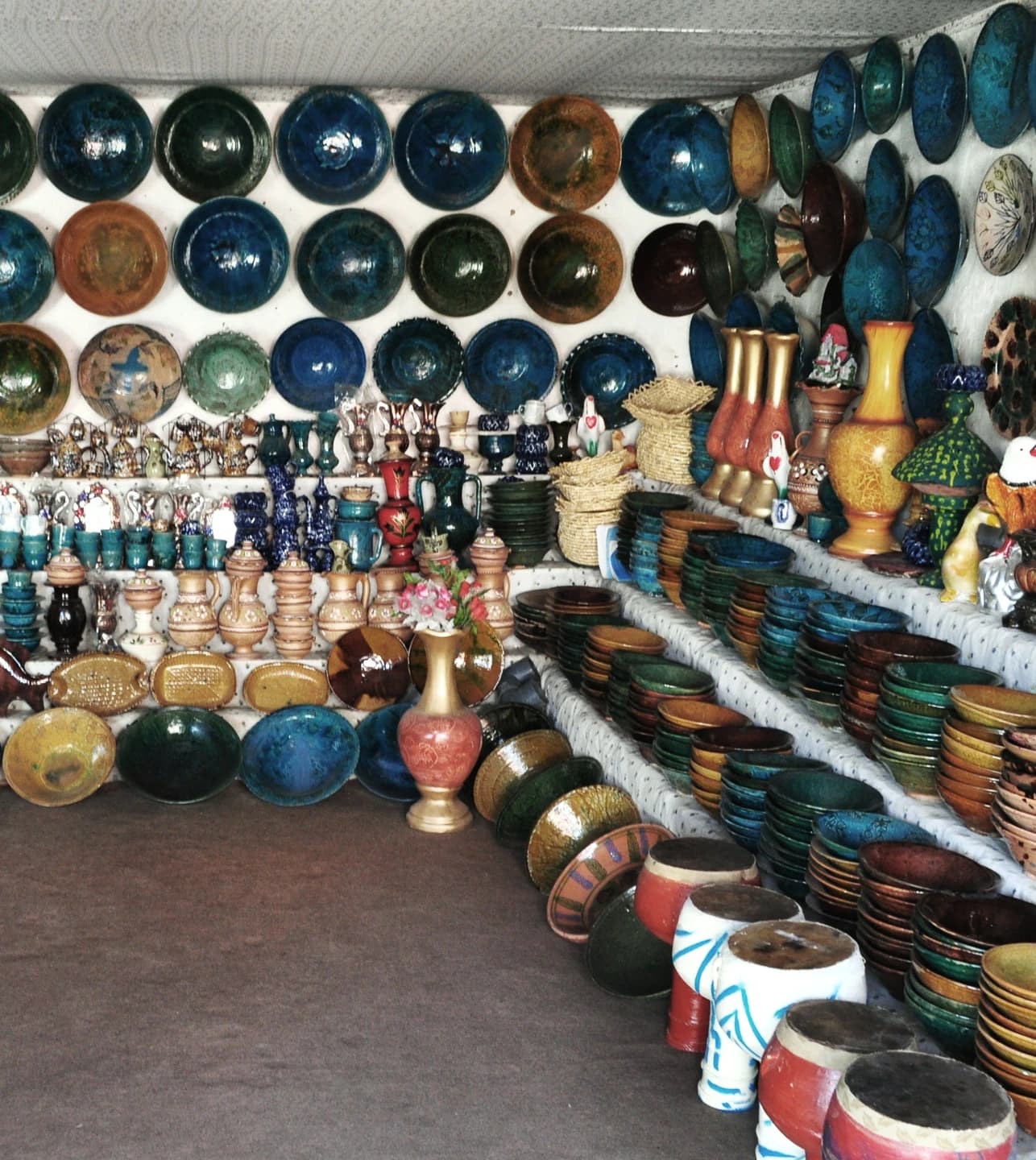
Weaving, ceramics, woodwork and calligraphy offer different ways to understand Afghan craftsmanship. Each object brings together material, practice and the choices of its maker.
Where a workshop welcomes visitors, ask about the process and the time involved. Request permission before photographing people or their work, and value the skill behind the finished piece.
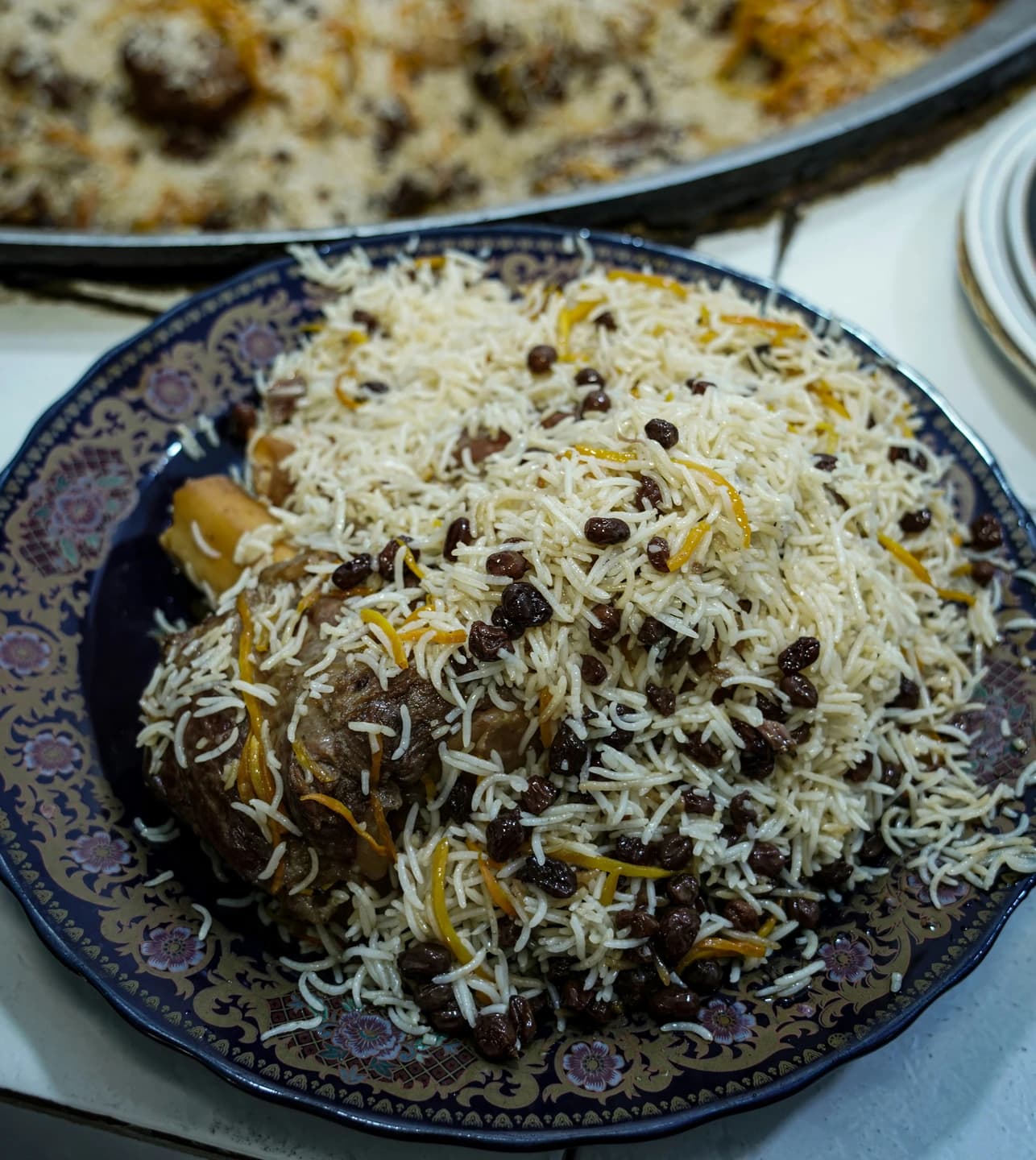
Afghanistan’s traditions vary across regions, languages and households. Hospitality, family recipes and oral storytelling carry memories that cannot be reduced to a single national custom.
Let your hosts explain what matters in their community. Follow their lead around greetings, shared meals and private spaces, and approach unfamiliar customs with curiosity.
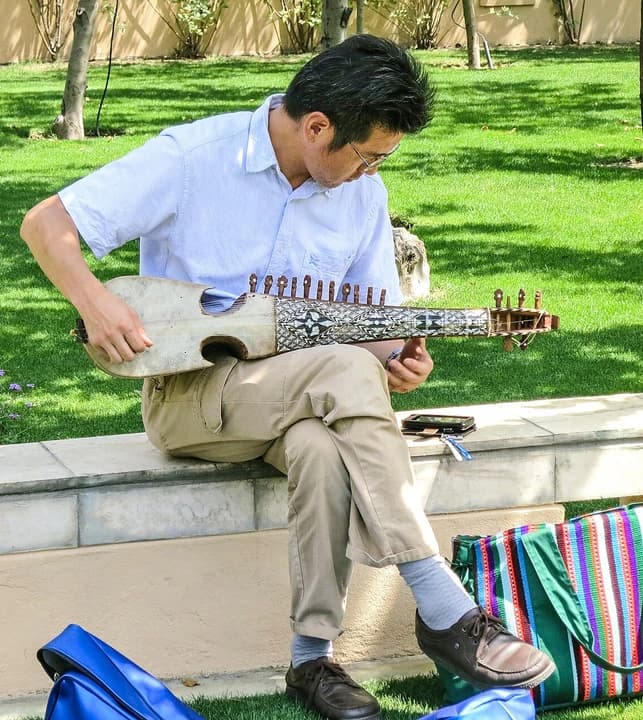
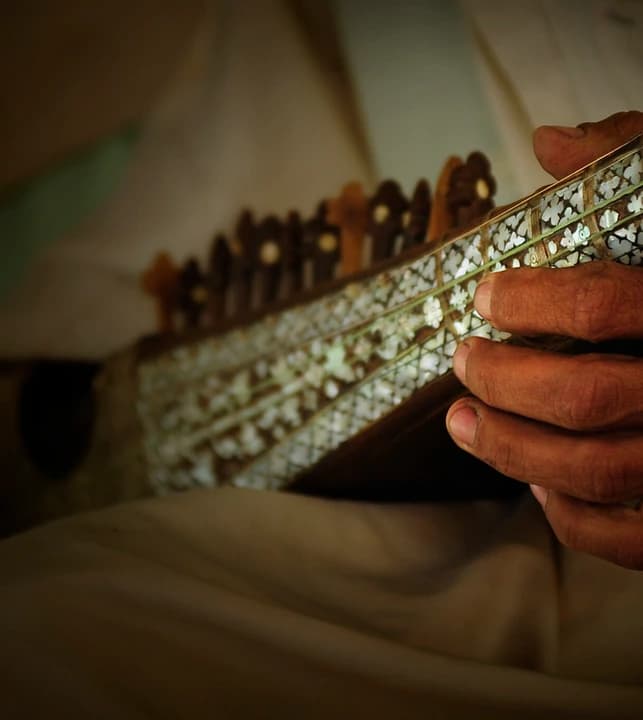
The rubab holds a distinctive place in Afghan musical heritage. Its sound, the craft of building it and the knowledge passed between musicians connect generations.
Explore this heritage through recordings, instrument histories and artists’ stories. Do not assume live performances are available; ask about local circumstances and respect musicians’ privacy.
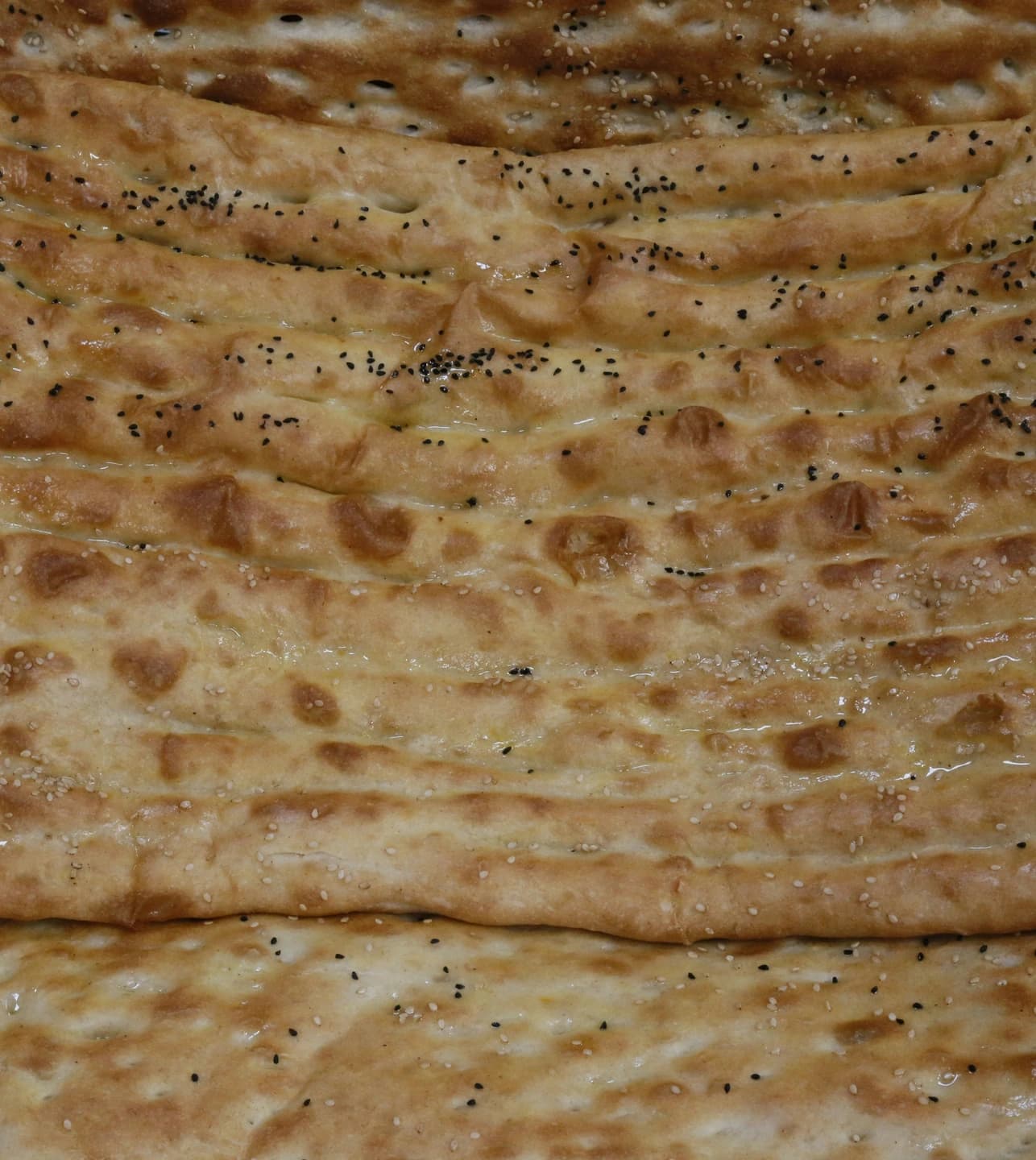
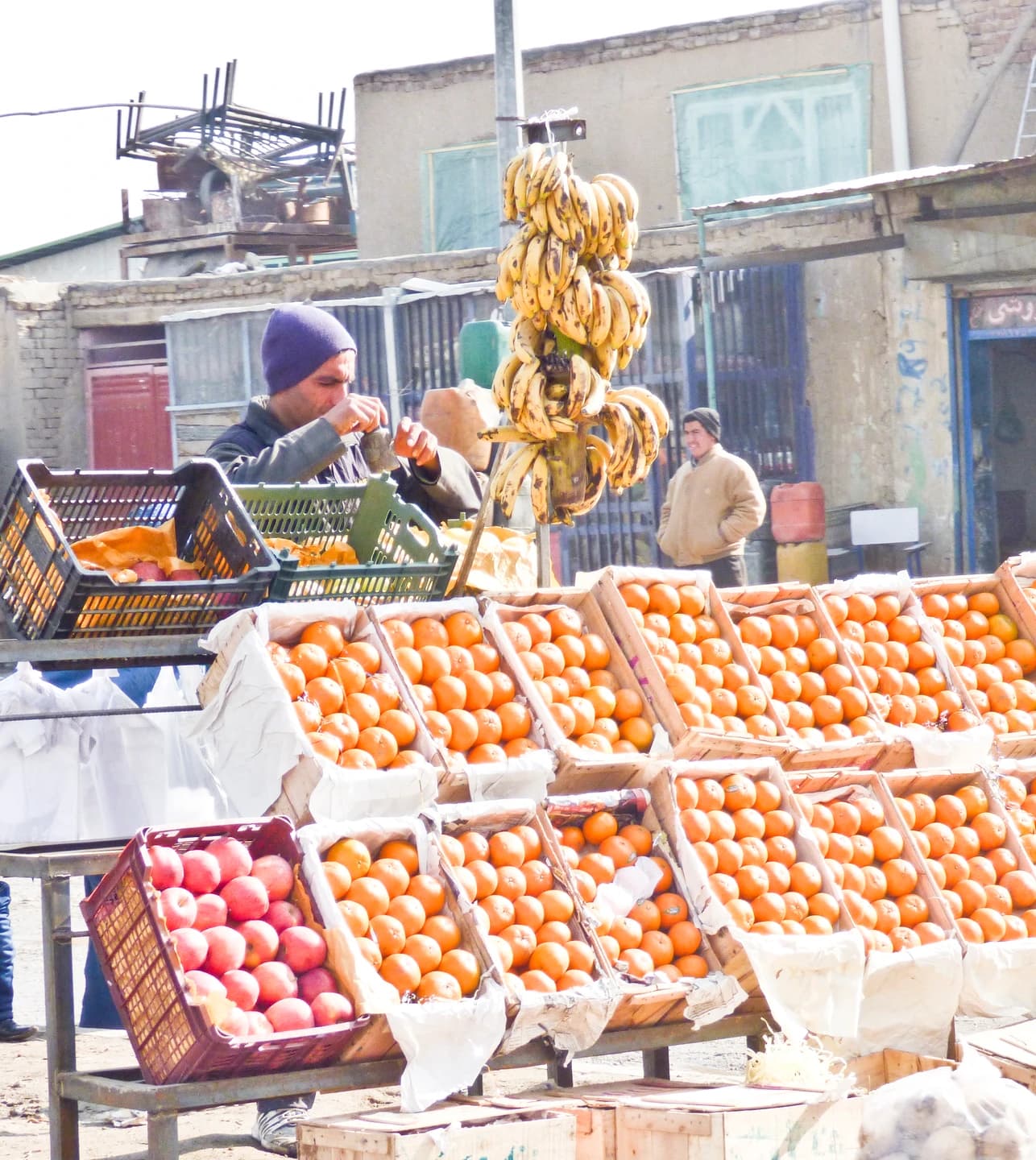
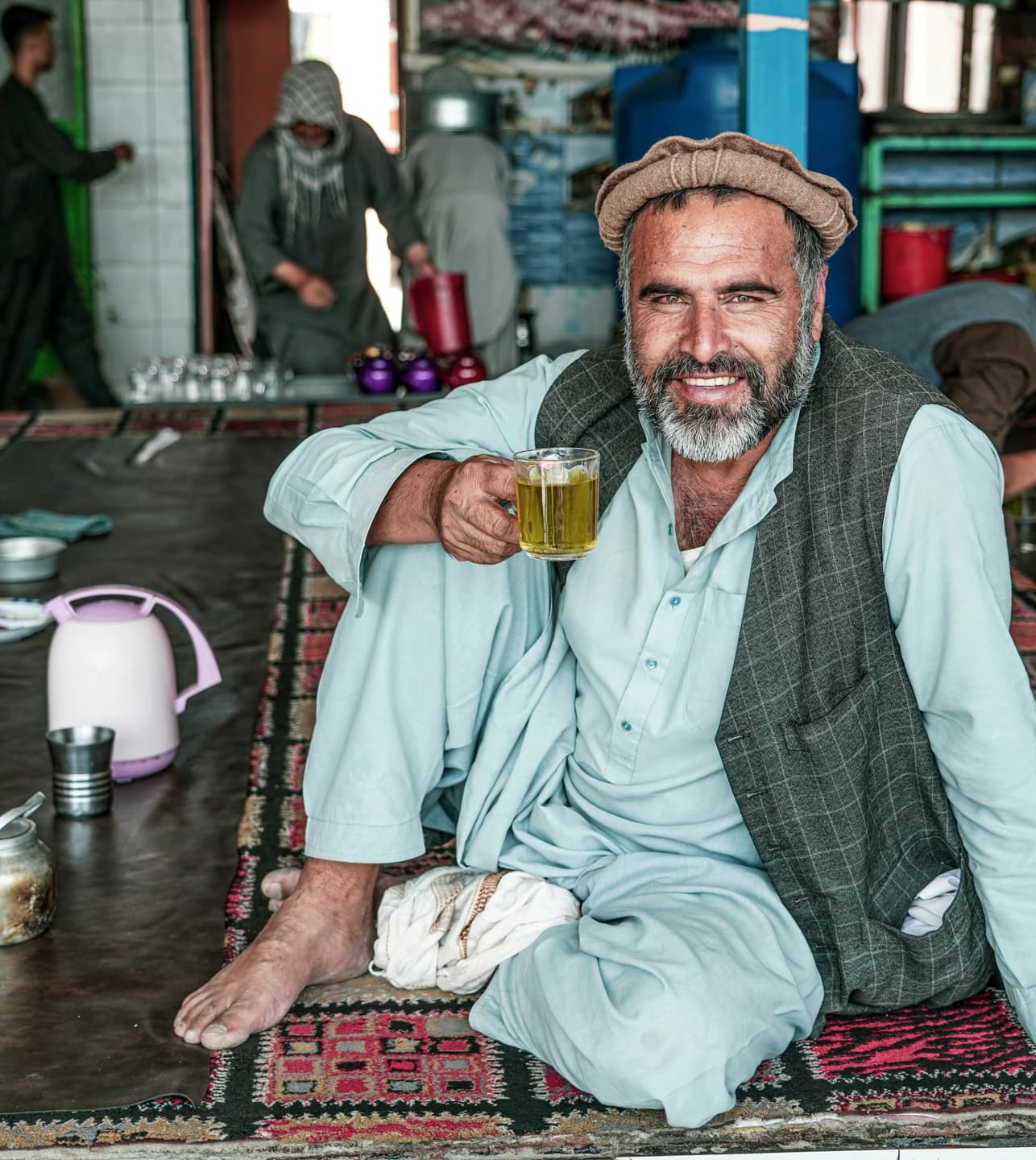
Everyday encounters can reveal as much as a monument: bread being prepared, a market conversation or tea shared by invitation. Move at your hosts’ pace, ask before taking photographs and remember that homes and workplaces are lived spaces.