
hazara.

Hazara communities have deep roots in Afghanistan,
particularly in the central highlands of Hazarajat,
with communities across the country.
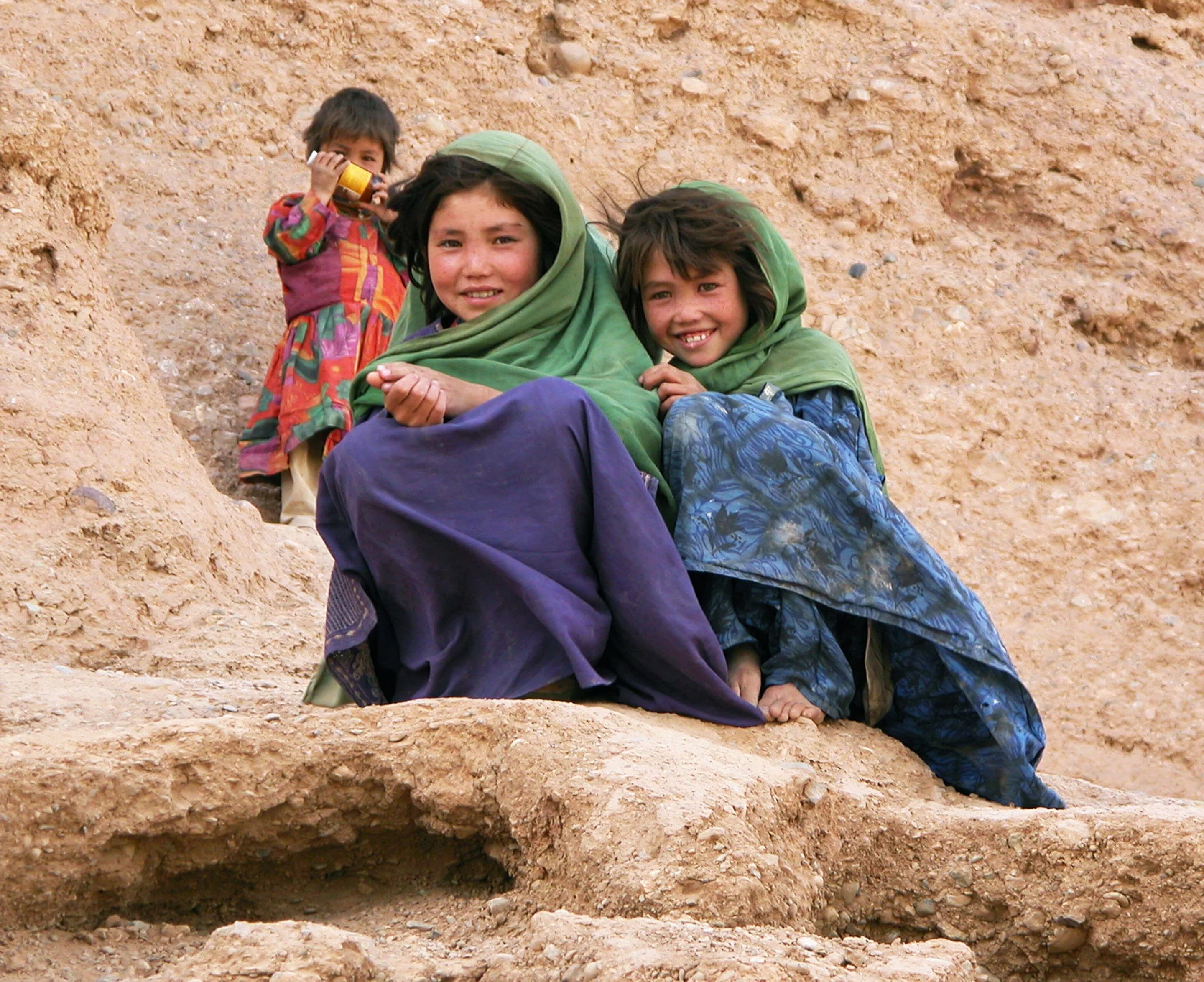
Children sitting together on the rocks at the Bamiyan heritage site

who they
are

Hazara heritage brings together highland histories, Hazaragi language and diverse local traditions.
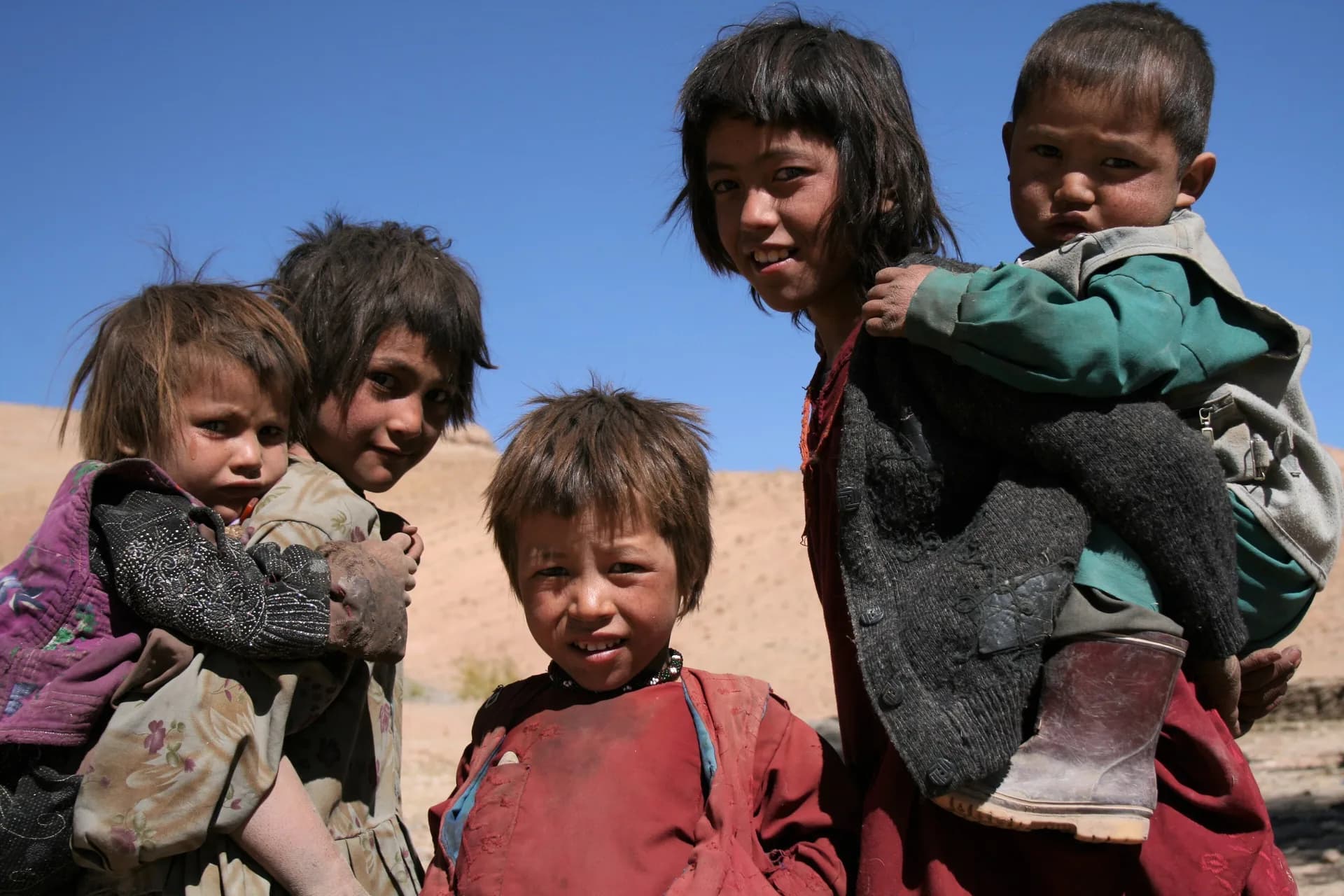
Hazara children together in central Afghanistan

hazara heritage

Communities with longstanding ties to Afghanistan’s central highlands and a cultural presence across the country.Where They Live
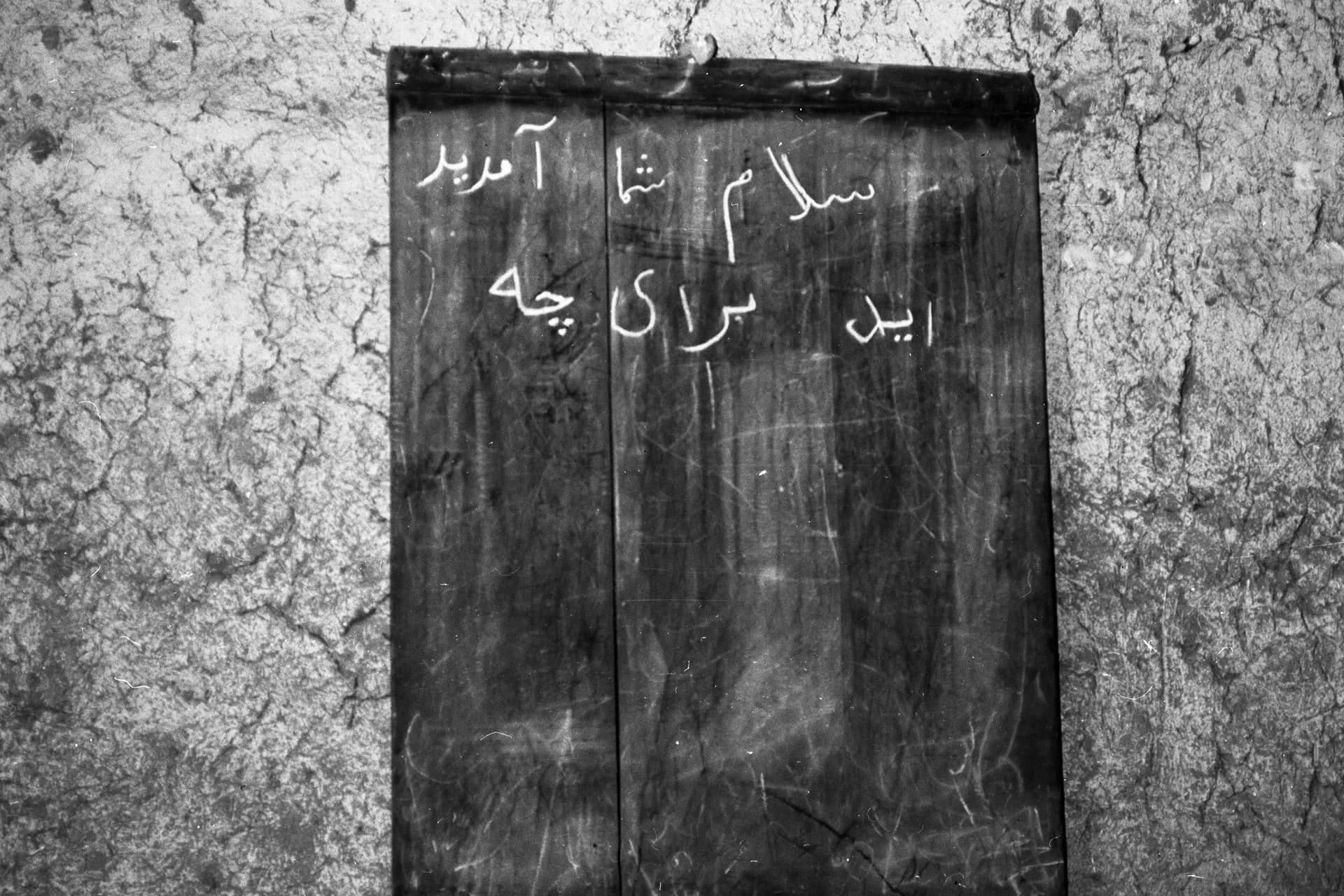
Dari writing on the blackboard of a village school in Firuz Bahar, Najak, Bamyan, 1976

language
hazaragi

Hazaragi is a variety of Persian closely related to Dari. Many Hazara people speak Hazaragi or Dari, one of Afghanistan’s official languages. Language use varies by location.Community Life
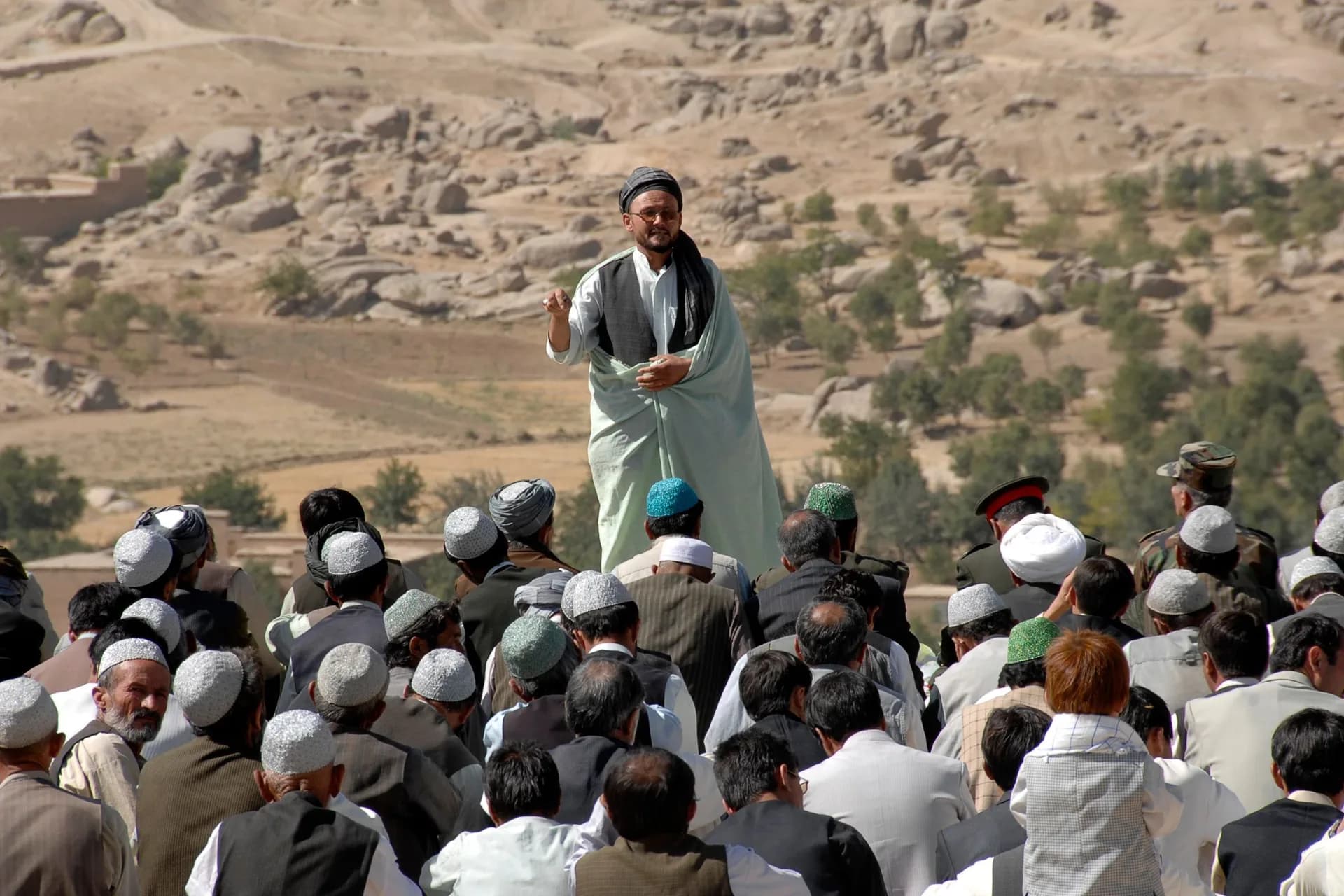
Villagers in Daykundi gathering on the final day of Ramadan

regional diversity

Communities vary by location, with local customs shaped by life in highland villages, towns and urban neighborhoods.Traditional Clothing
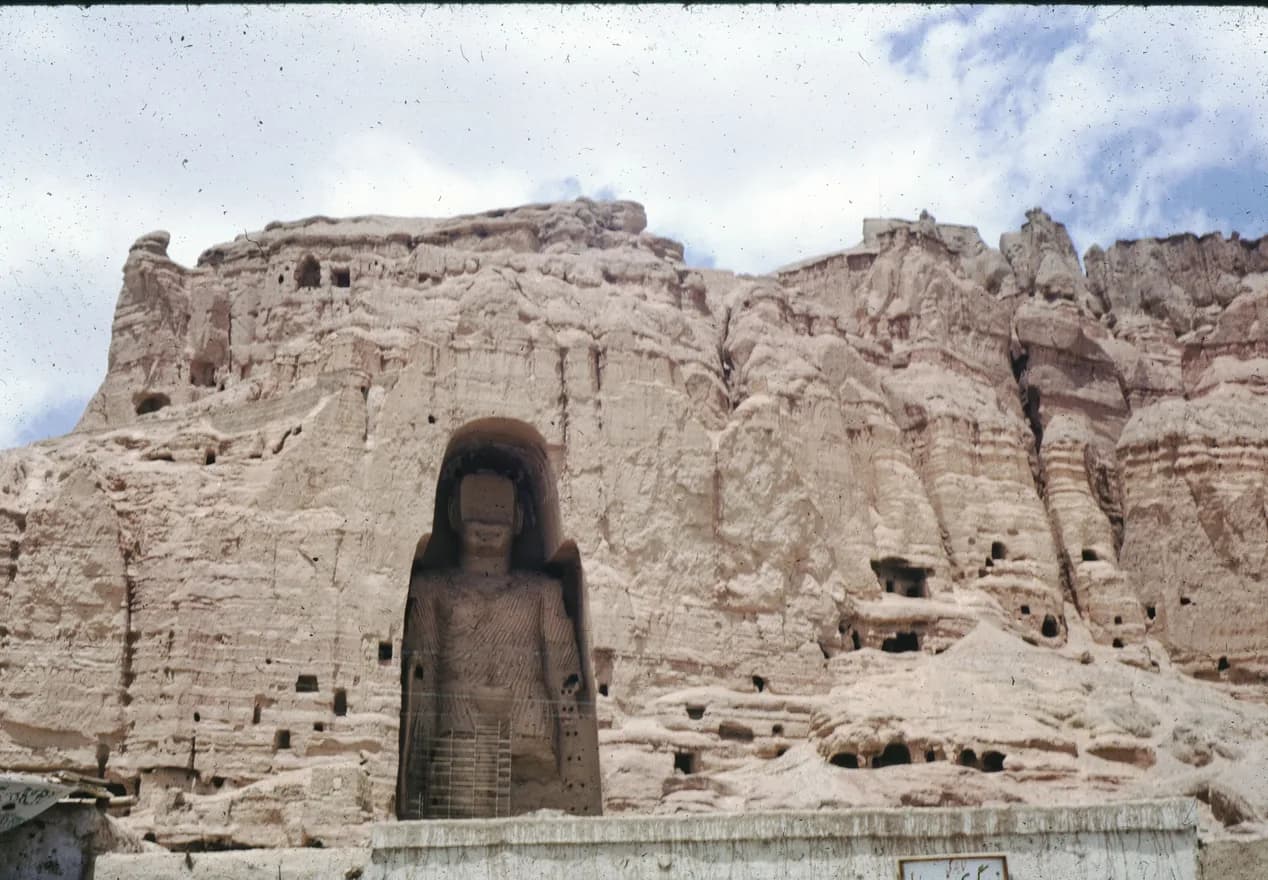
Green fields and the cliffs of the Bamiyan Valley, 1975
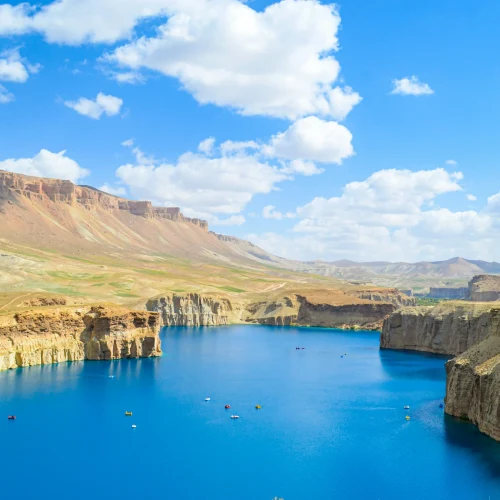
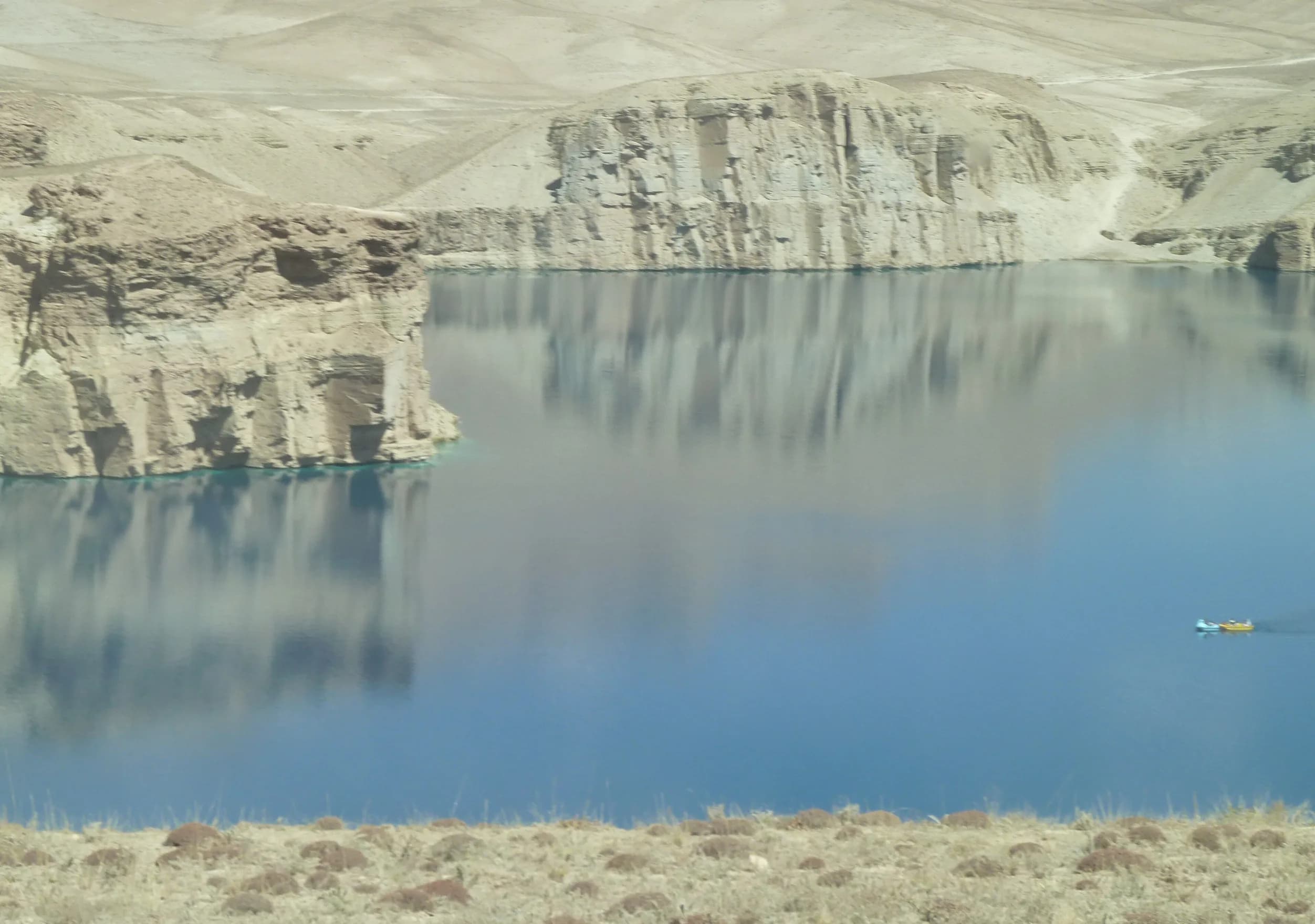
A lake framed by pale travertine cliffs in Band-e Amir National Park, Bamyan
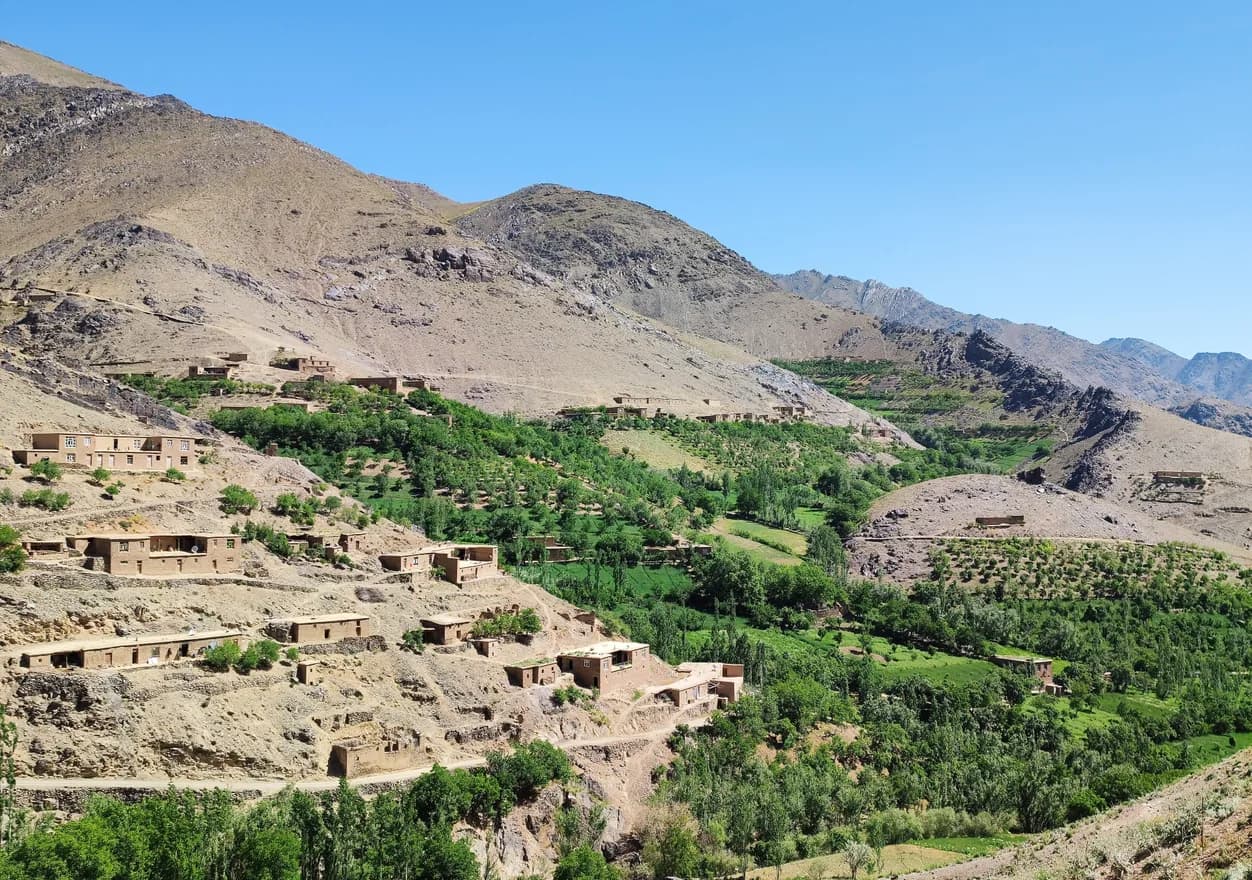
Terraced fields and a green valley in Asho, Alawdal, Shahristan district, Daykundi
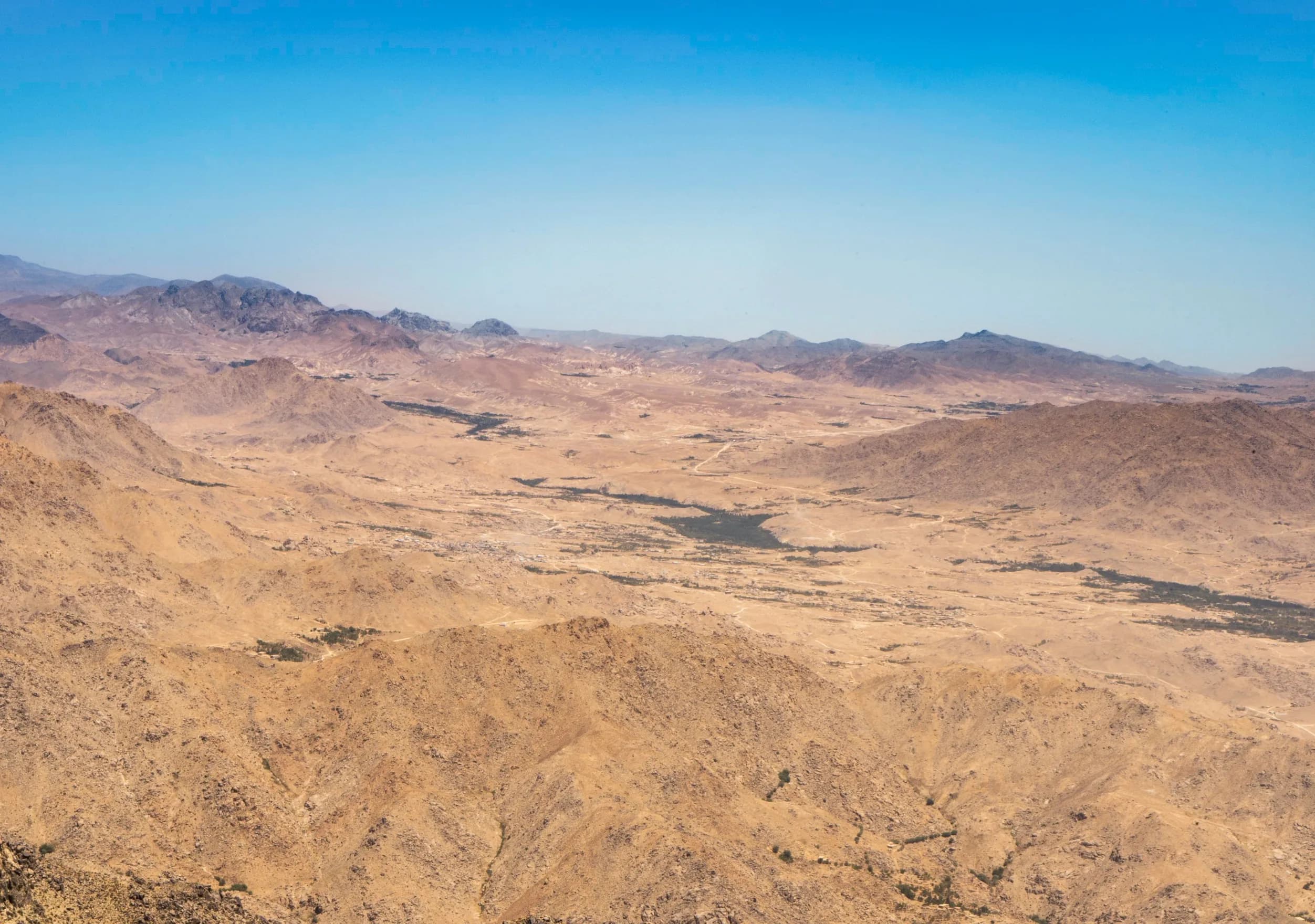
The highlands of Jaghori seen from Badasiya Mountain
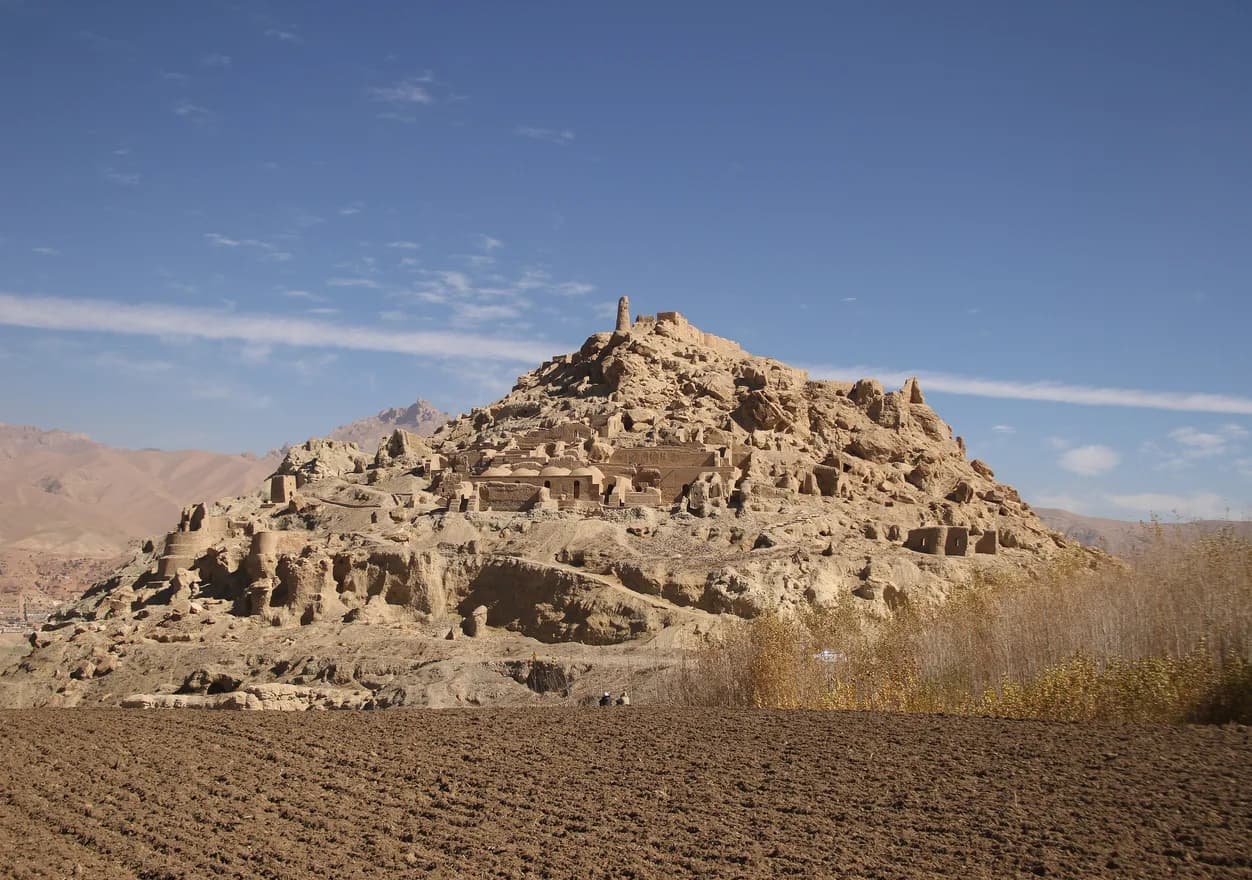
The ruins of Shahr-e Gholghola on its hill in the Bamiyan Valley

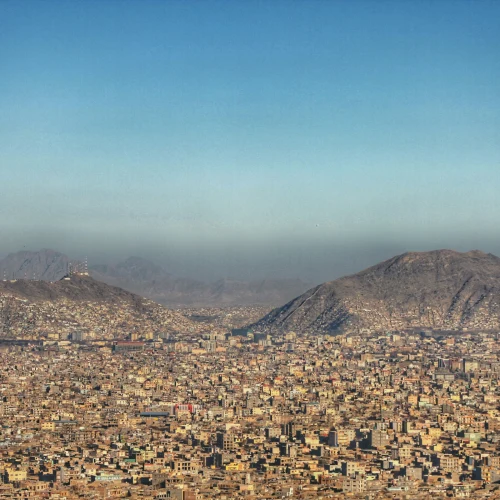
WHERE THEY LIVE. Hazara communities are closely associated with Hazarajat in central Afghanistan, including Bamyan, Daykundi and parts of Ghazni and Ghor. Communities also live in Kabul, Mazar-e-Sharif, Herat and other parts of the country.

HZ

HAZARAJAT
Central highland roots

HG

HAZARAGI & DARI
Language heritage

AF

ACROSS AFGHANISTAN
Communities throughout the country

KBL

KABUL
Communities in the capital

tra­di­tion­al cloth­ing

clothing & regional styles

Traditional outfits may include tunics and loose trousers,
with waistcoats, caps and warm layers depending on the region.

Traditional dress may include long dresses with trousers,
headscarves, embroidery and jewelry, with styles varying by region and family.

Fabrics, colors and embroidery vary by location;
woolen fabrics are traditionally used in some highland communities.

Weddings and family celebrations may feature special clothing,
with embroidery, accessories and colors chosen according to local customs.

community
and values

Archival portrait of a Hazara man in a turban in Kabul, 1967
Ties

Practices vary by region and family.

Hospitality

Welcoming guests

Tea

In many Hazara communities, welcoming guests with tea or a meal is a valued custom. Hospitality practices vary by location and family.

Family Ties

Across generations

Kin

Many families maintain close ties across generations, sharing celebrations and offering support. Relationships and responsibilities vary by household.

Respect for Elders

Experience & guidance

Care

Traditionally, elders are often valued for their experience and guidance. Families express this respect in different ways.

Local Customs

Everyday community life

Life

Local greetings, celebrations and everyday customs vary across Hazara communities, reflecting different places and family histories.

Community Traditions

Shared cultural heritage

Ties

Storytelling, poetry and family gatherings can help pass cultural knowledge between generations. Traditions vary by region and household.

traditions
& cultural identity

Hazara cultural heritage includes Hazaragi language, oral traditions and local craftsmanship. Their expression varies by region, community and family.

HAZARAGI HERITAGE

Hazaragi language and local expressions help carry cultural knowledge between generations.

HOSPITALITY

Welcoming guests is a valued custom in many Hazara communities.

HIGHLAND CRAFTS

Traditional weaving and embroidery form part of cultural heritage in some highland communities.

POETRY & ORAL TRADITION

Stories and verse in Hazaragi and Dari are part of shared cultural expression.

FAMILY & COMMUNITY

Family networks and local relationships are important parts of social life.

REGIONAL CUSTOMS

Local traditions reflect the diversity of Hazara communities across Afghanistan.