
pamiri.

Pamiri communities have deep roots in Afghanistan,
especially in the high valleys of the northeast,
with a rich heritage of mountain life and language.
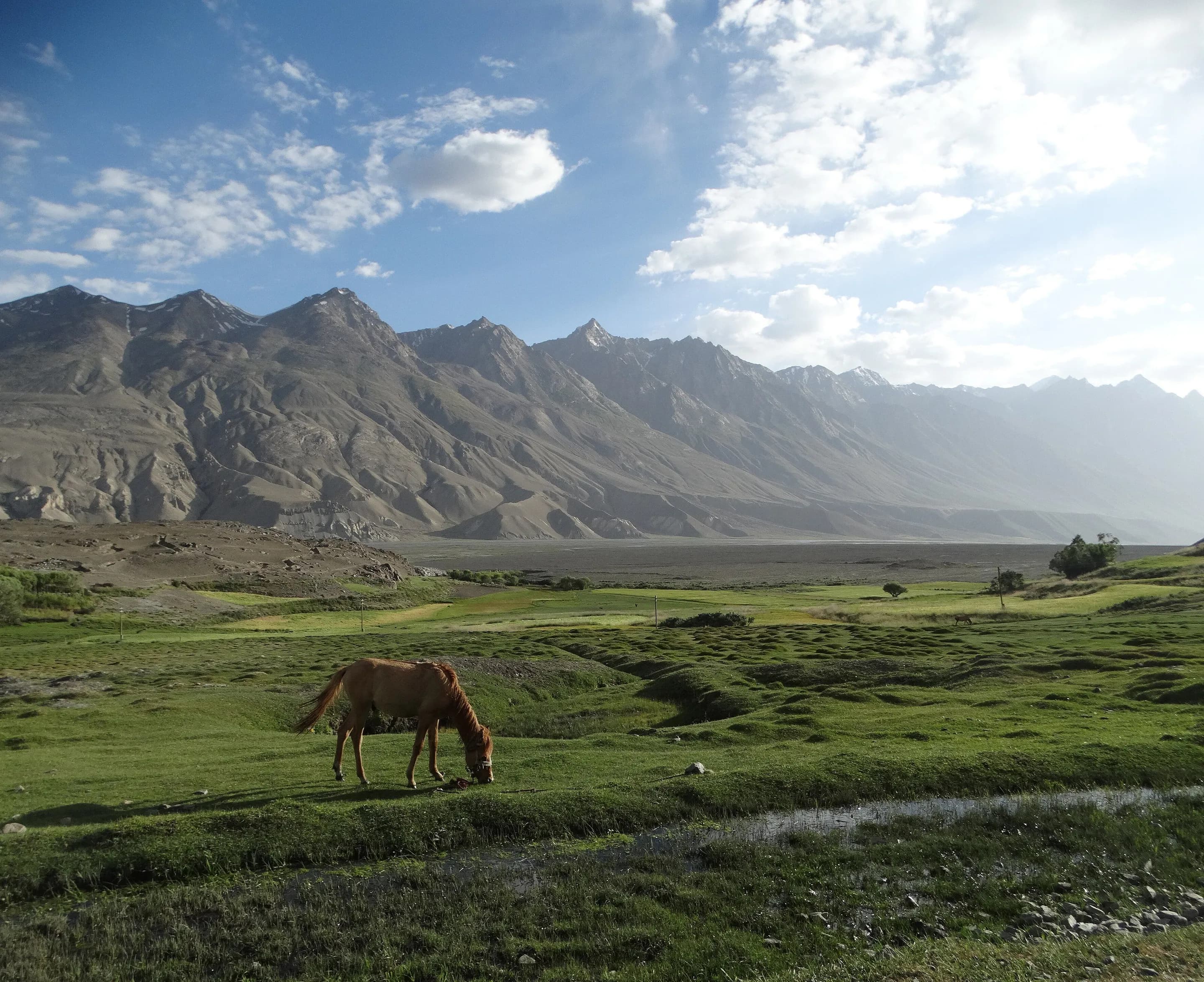
A horse grazing on green pasture below the mountains at Sarhad-e Broghil, Wakhan, Badakhshan, 2019

who they
are

Pamiri heritage brings together mountain communities, several distinct languages and a way of life shaped by the high valleys of Badakhshan and the Wakhan.
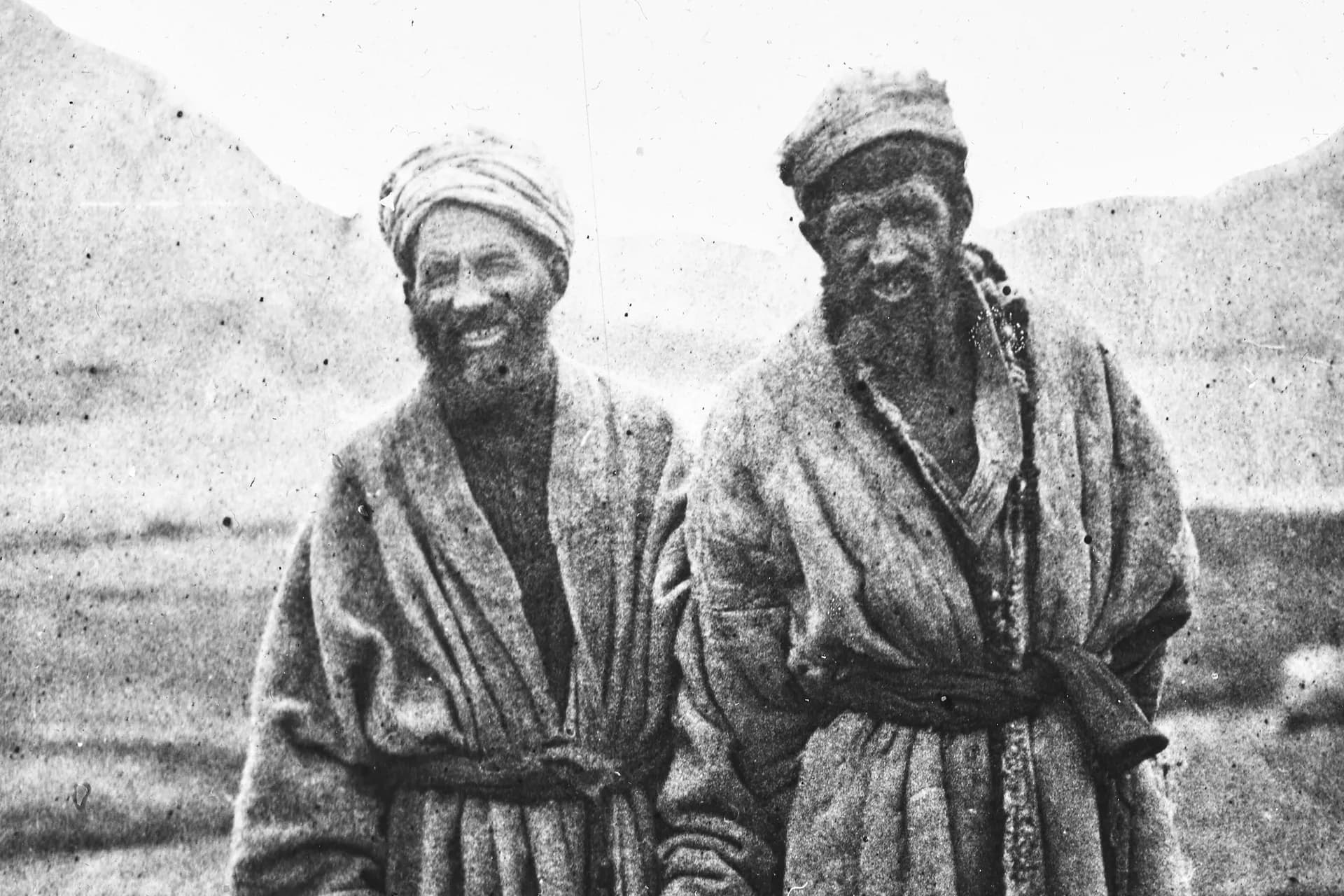
Two Wakhi men in long quilted robes and wrapped headcloths at Sarhad, Wakhan, photographed by Guillaume Capus in 1887

pamiri heritage

A longstanding group of communities closely associated with Badakhshan, with villages set along river valleys at the edge of the Pamir and Hindu Kush mountains.Where They Live
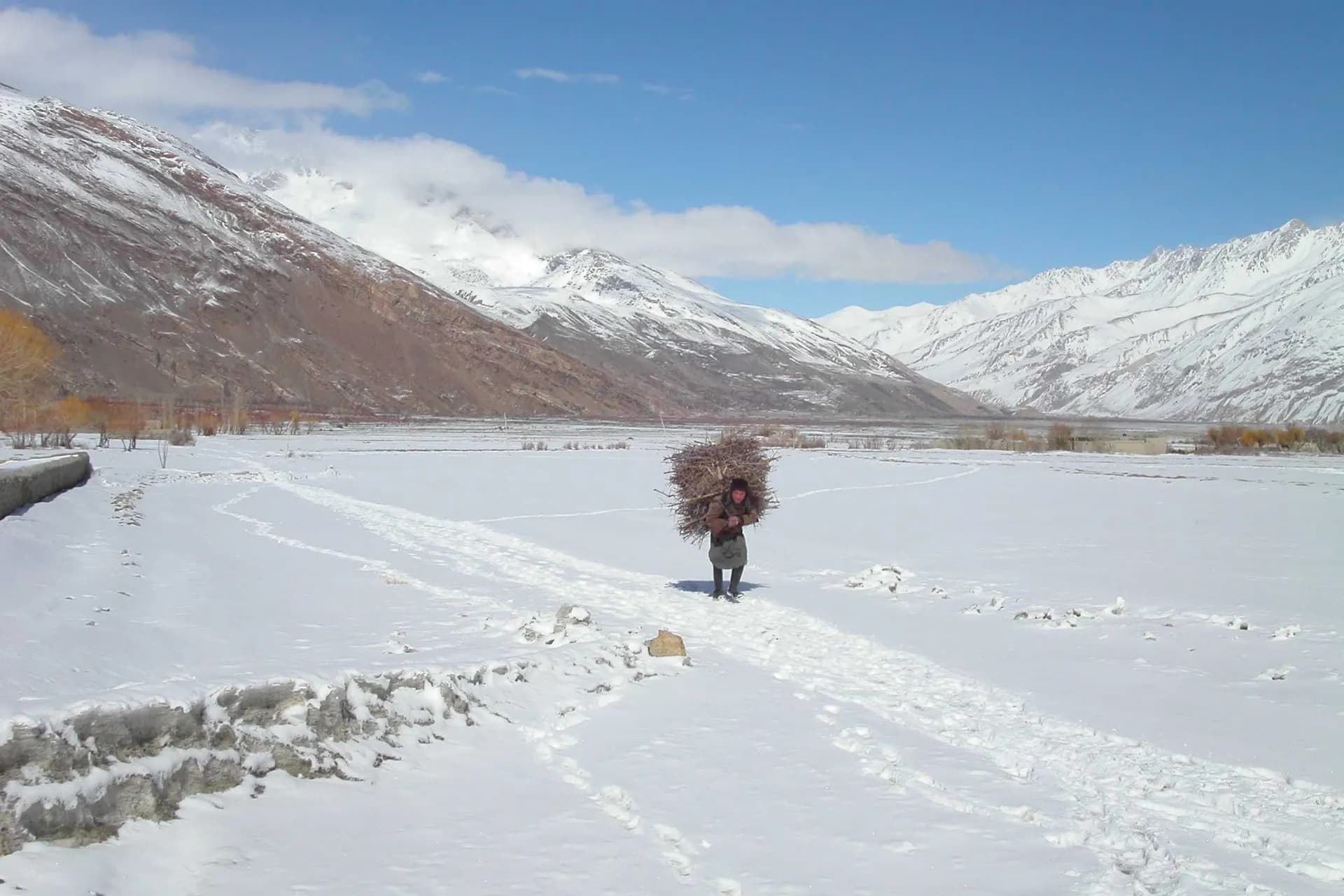
A Wakhi man carrying a load of firewood across a snow-covered valley in the Wakhan, Badakhshan, 2007

many
languages

Several distinct Pamiri languages are spoken, such as Wakhi, Shughni and Ishkashimi, often differing from one valley to the next. Dari is also widely used.Community Life
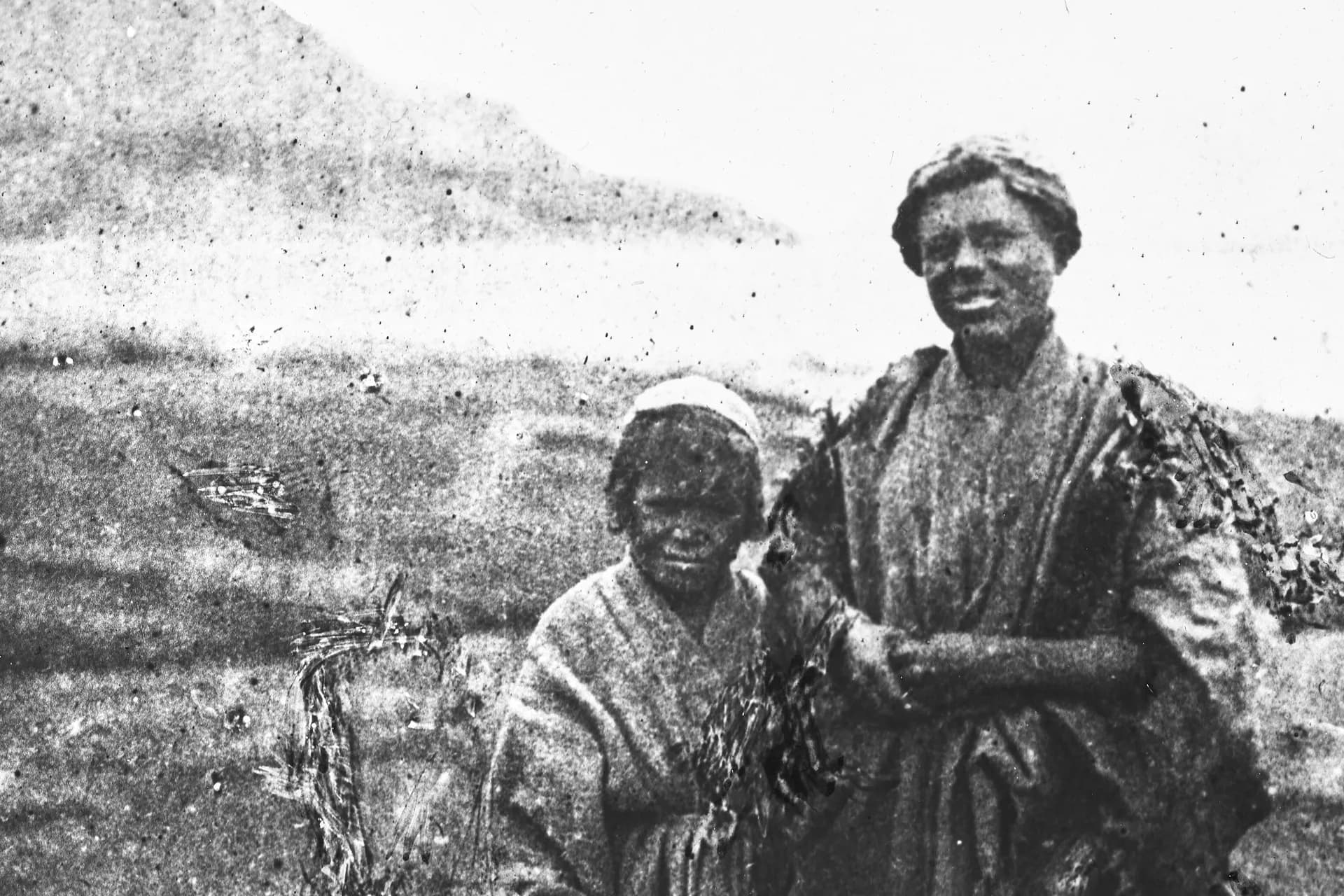
Two Wakhi boys standing together at Sarhad, Wakhan, photographed by Guillaume Capus in 1887

valley communities

Each valley has its own local history, customs and ways of life, shaped by high-altitude farming, herding and close village ties.Traditional Clothing
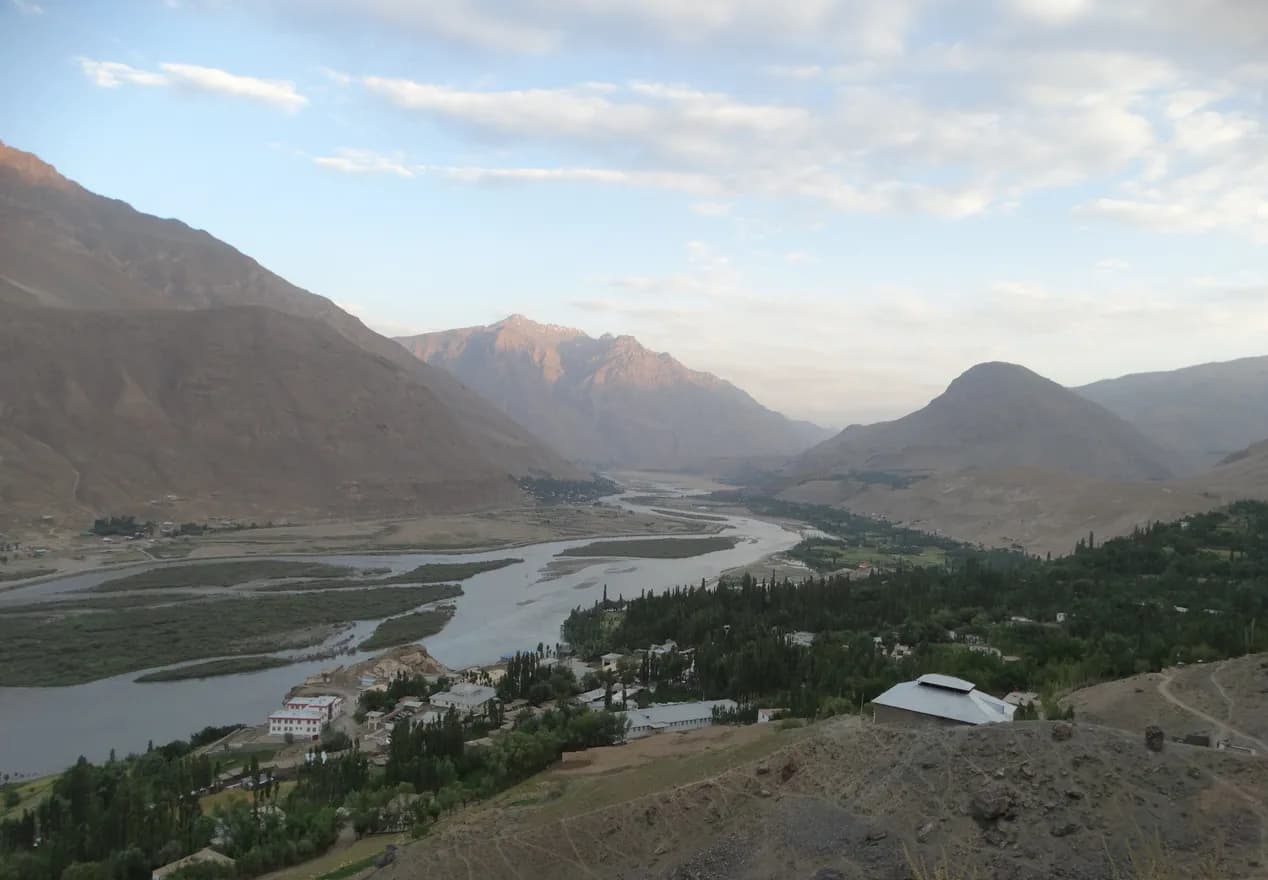
The Panj River valley seen from the Afghan side near Qala-e Panja, Wakhan, 2019
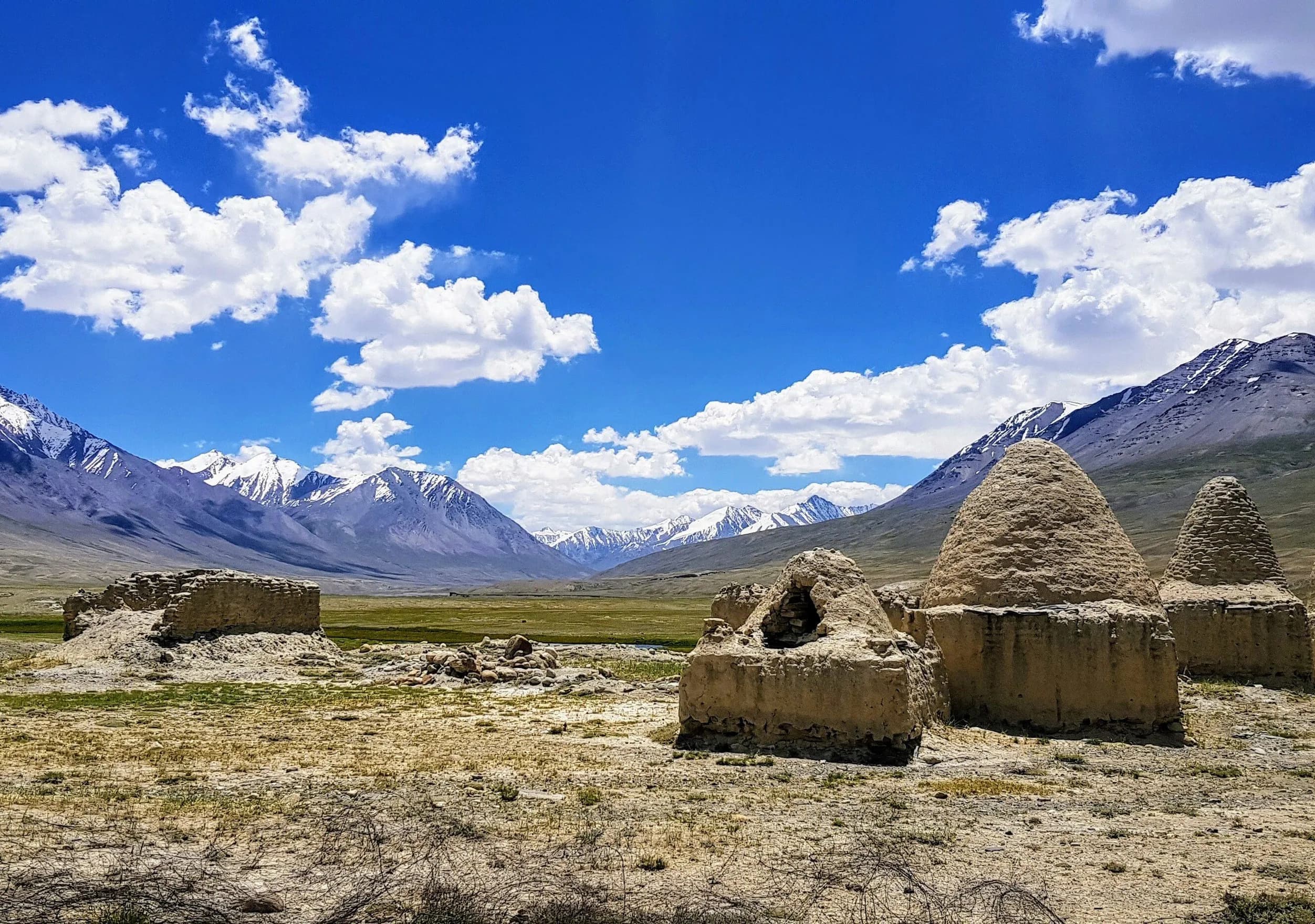
Domed mud-brick tombs at Baza'i Gonbad on the high pastures of the Little Pamir, Wakhan, 2019
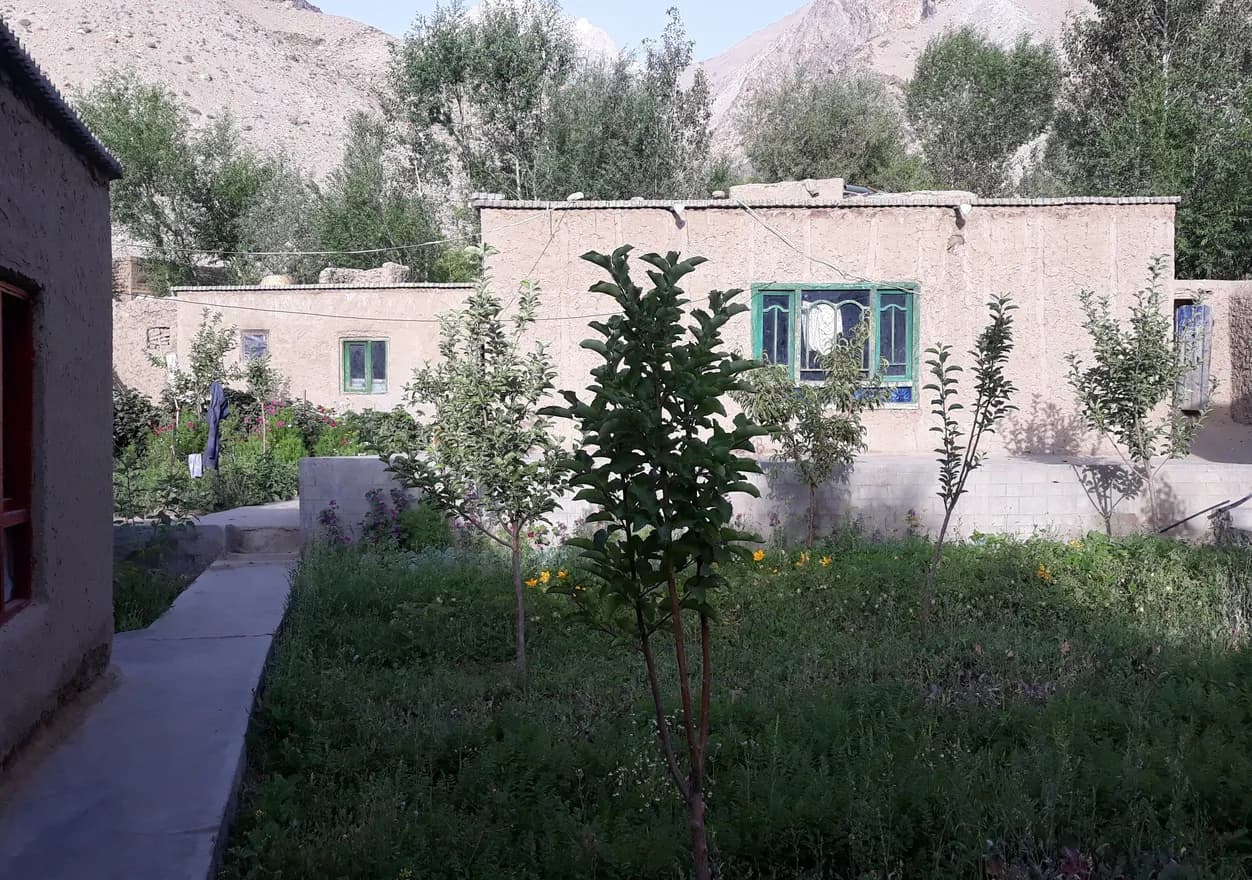
A homestead with a walled garden near Qala-e Panja in the Wakhan, Badakhshan, 2019
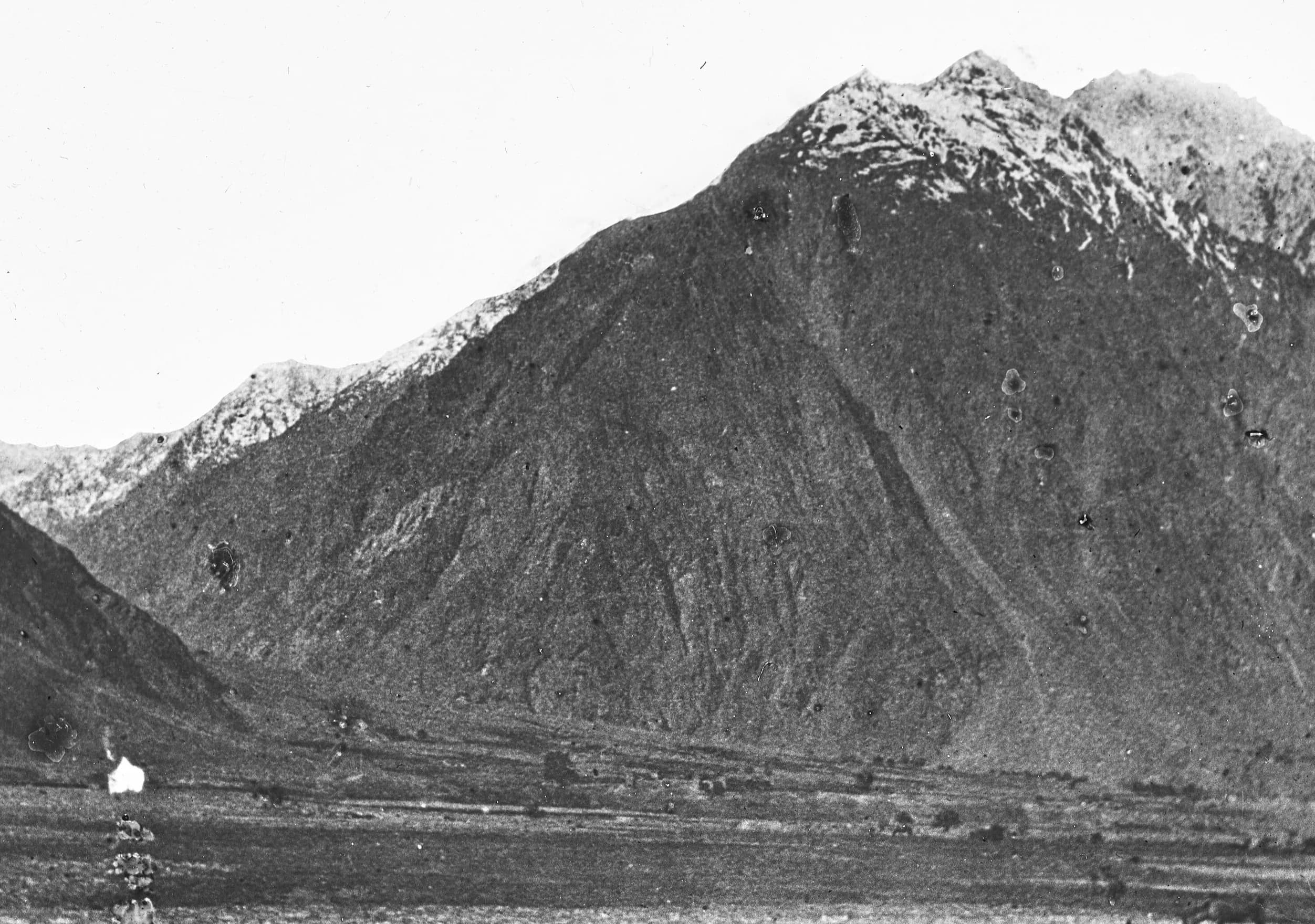
Snow-dusted mountains rising above the valley floor at Sarhad, at the head of the Wakhan, photographed by Guillaume Capus in 1887
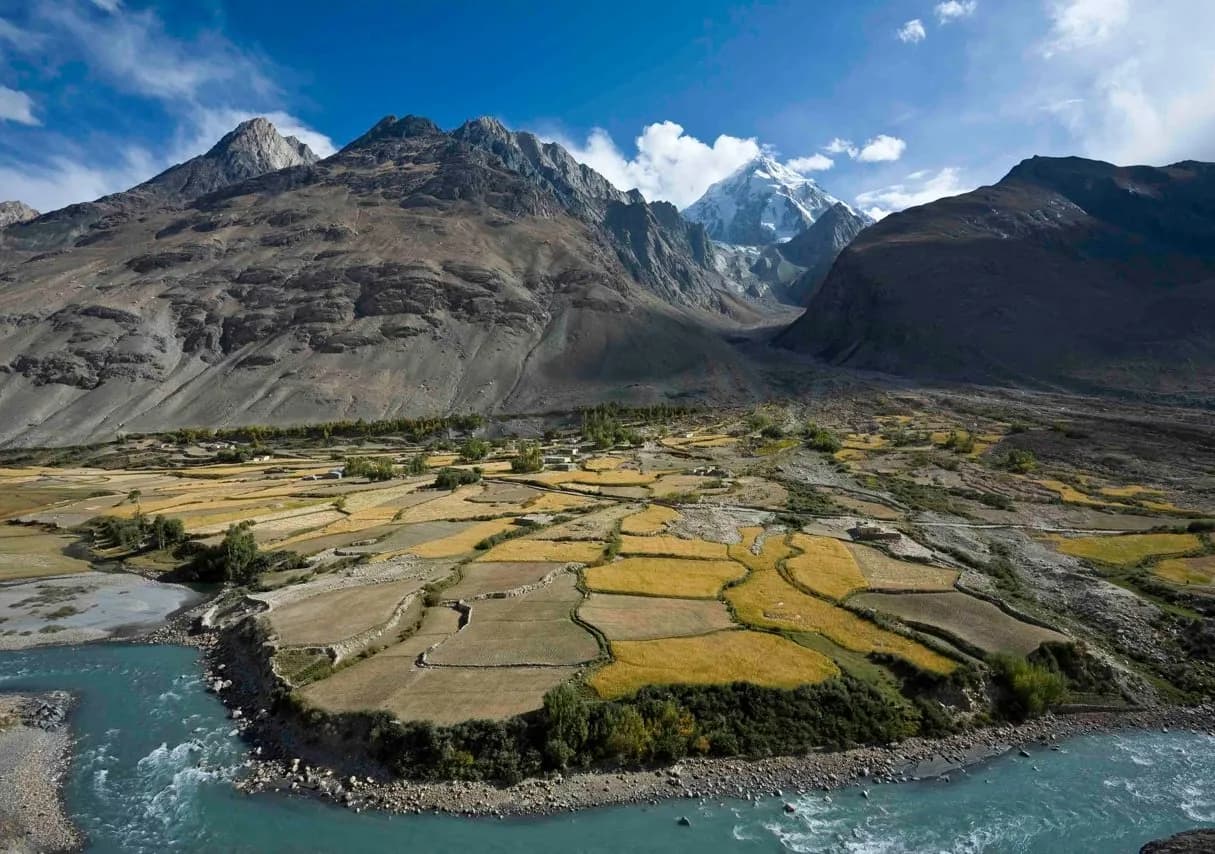
Fields laid out across the river flood plain in the Wakhan, Badakhshan

WHERE THEY LIVE. Pamiri communities are strongly associated with Badakhshan Province in northeastern Afghanistan, including the Wakhan Corridor and valleys such as Shughnan and Ishkashim. Communities also live in other parts of the country.

NE

NORTHEASTERN AFGHANISTAN
High mountain homeland

PL

PAMIRI LANGUAGES
Several distinct languages

BDK

BADAKHSHAN
River valleys and high passes

WKH

WAKHAN
Communities along the corridor

tra­di­tion­al cloth­ing

clothing & regional styles

Traditional outfits may include long shirts and trousers,
worn with wool coats, knitted socks, caps and warm layers for the cold climate.

Long dresses with trousers and headscarves are common traditional forms,
often in bright colors with embroidery, beadwork and jewelry in some valleys.

Colors, patterns and stitchwork vary from valley to valley;
hand-knitted wool and woven textiles reflect life at high altitude.

Weddings and family celebrations may feature festive clothing,
including embroidered garments, colorful scarves and jewelry in some communities.

community
and values

Mirza Dolik, a Wakhi community leader, drawn by Alexandre Jacovleff
Ties

Practices vary by valley and family.

Hospitality

Welcoming guests

Tea

In many Pamiri communities, welcoming guests with tea, bread and dairy foods is a valued tradition. Customs vary by valley and household.

Family Ties

Across generations

Kin

Many families maintain close ties across generations, offering support and sharing celebrations. Relationships and responsibilities vary by household.

Respect for Elders

Experience & guidance

Care

Traditionally, elders are often valued for their experience and guidance in village life. Families express this respect in different ways.

High Valley Life

Everyday community life

Life

Small fields, livestock, summer pastures and long winters shape daily life in the high valleys. Practices differ between villages and families.

Community Traditions

Shared cultural heritage

Ties

In many communities, music, shared labor and family gatherings help pass cultural knowledge between generations.

traditions
& cultural identity

Pamiri cultural heritage includes distinct languages, traditional houses, music and community traditions, many shared with other Afghan communities. Their expression varies by valley, village and family.

PAMIRI LANGUAGES

Several distinct languages and local dialects help carry cultural knowledge between generations.

HOSPITALITY

Welcoming guests is a valued tradition in many Pamiri communities.

PAMIRI HOUSES

Traditional homes with central skylights and carved wooden pillars reflect generations of mountain life.

HIGH VALLEYS

Villages set among some of the highest mountains in Afghanistan shape a distinct way of life.

MUSIC & ORAL TRADITION

Folk music, songs and storytelling connect generations through shared stories.

VALLEY CUSTOMS

Local traditions reflect the diversity of Pamiri communities across the northeast.