
pashtun.

One of Afghanistan’s largest ethnolinguistic communities,
with deep cultural roots in the south and east
and communities across the country.
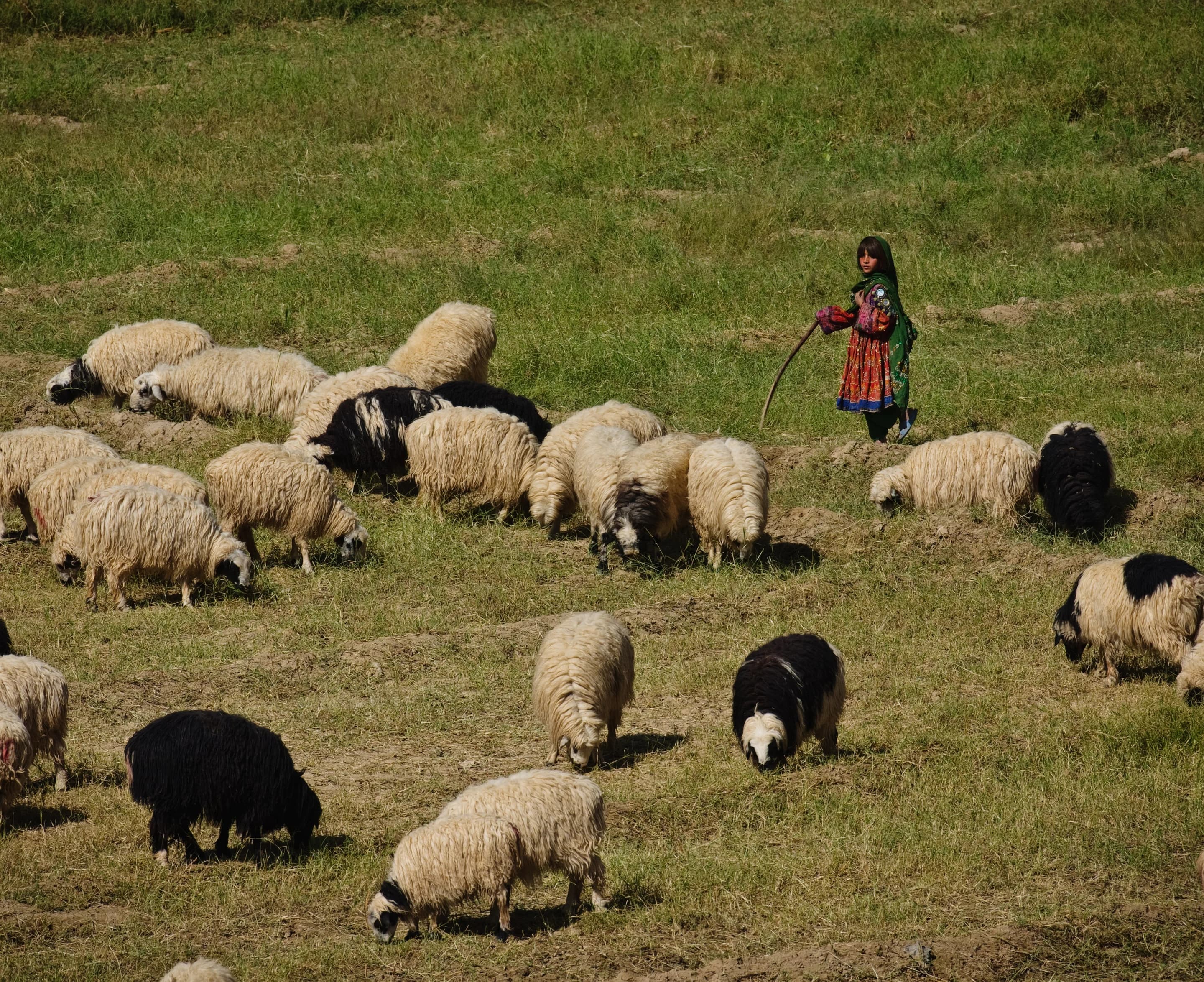
A Kuchi shepherd in traditional dress tending sheep outside Kandahar

who they
are

Pashtun heritage brings together language, local histories and diverse regional traditions.
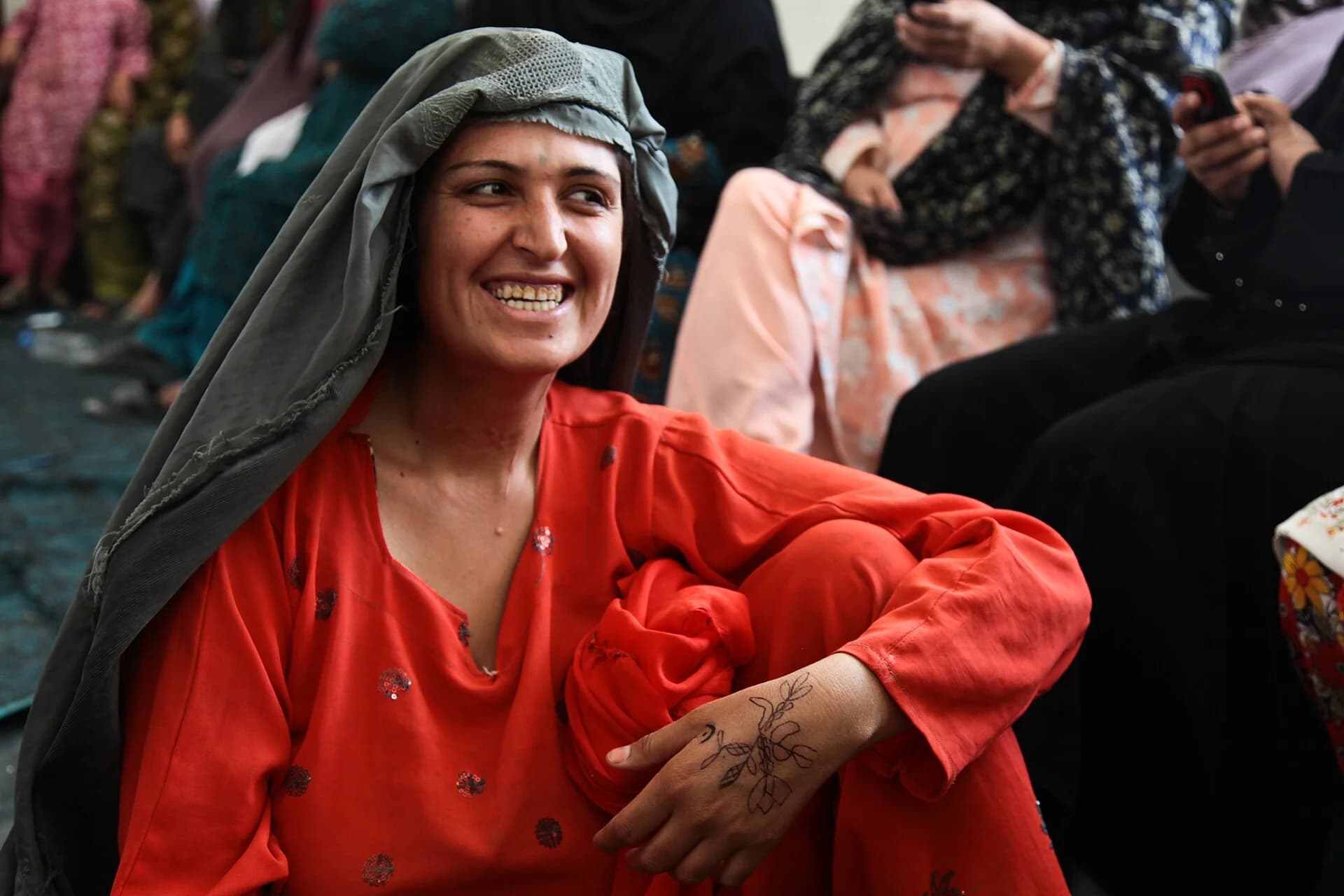
A woman in Spin Boldak, Kandahar, talking with other women

pashtun heritage

One of Afghanistan’s largest communities, with a longstanding cultural presence.Where They Live
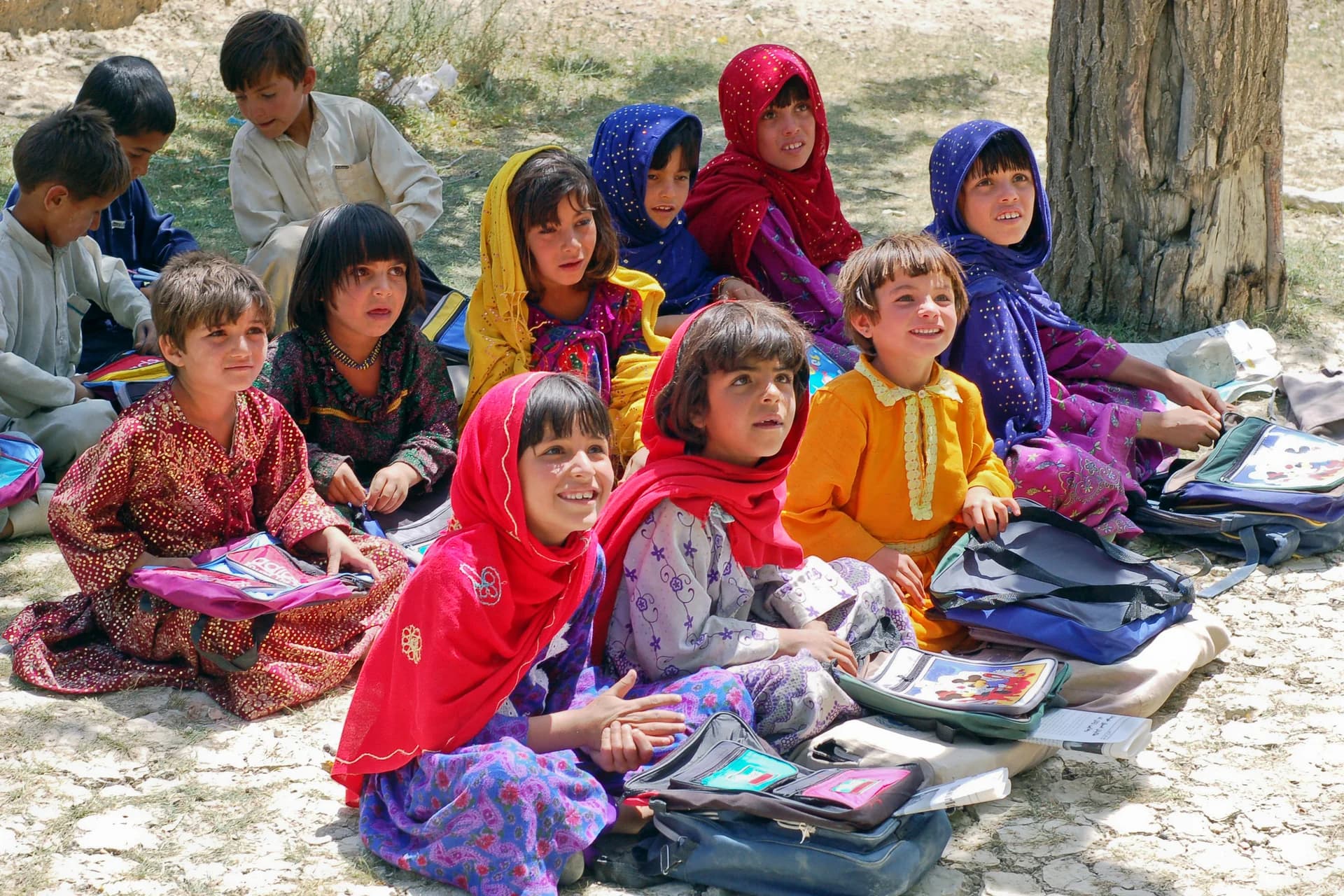
Girls learning together in an orchard classroom in Bamozai, Paktia

language
pashto

Pashto is the primary language associated with Pashtun communities and one of Afghanistan’s official languages. Many also speak Dari or other languages, depending on where they live.Community Life
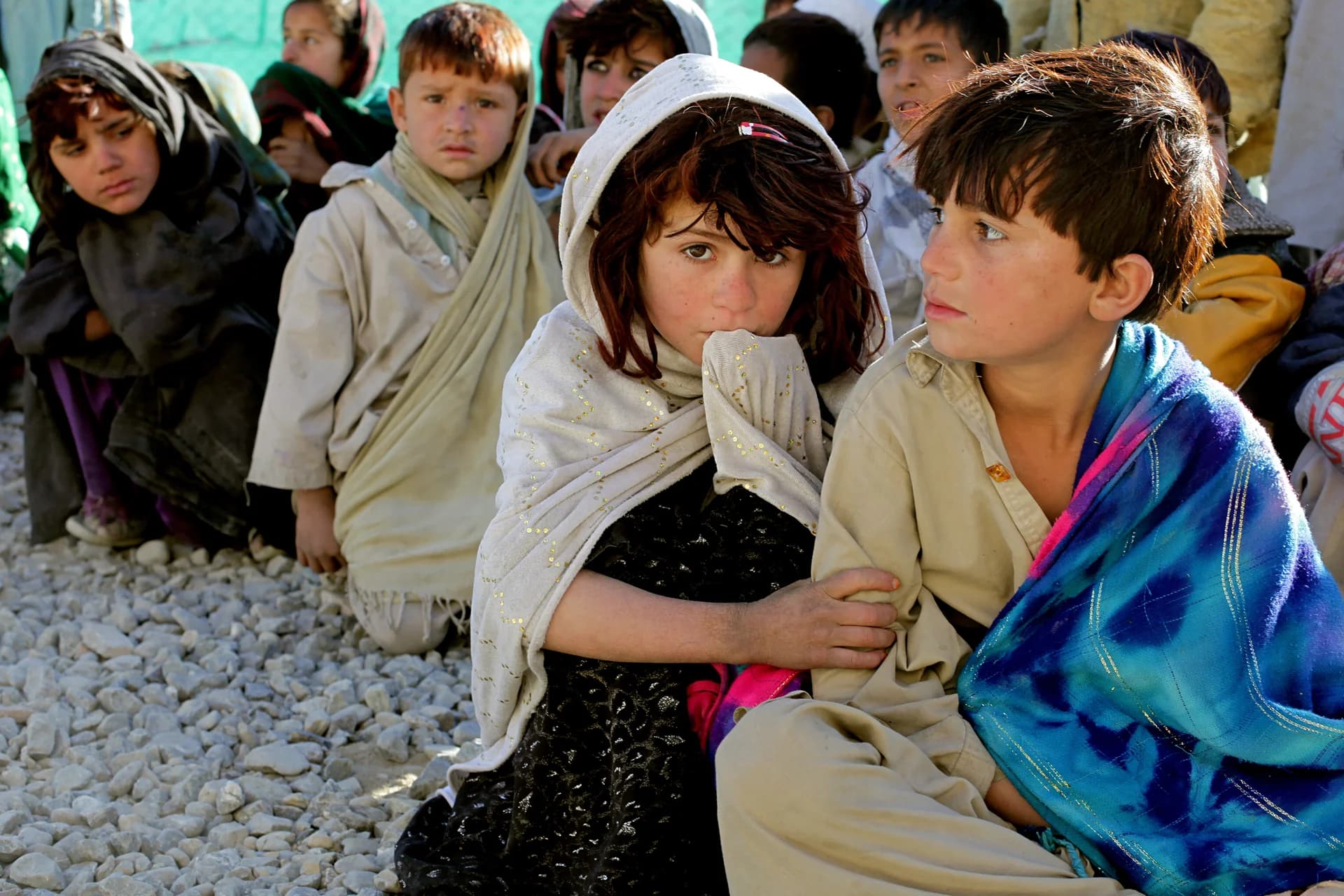
Children wearing local clothing in Khost, Afghanistan

regional diversity

Customs and everyday life vary across regions, towns, villages and families.Traditional Clothing
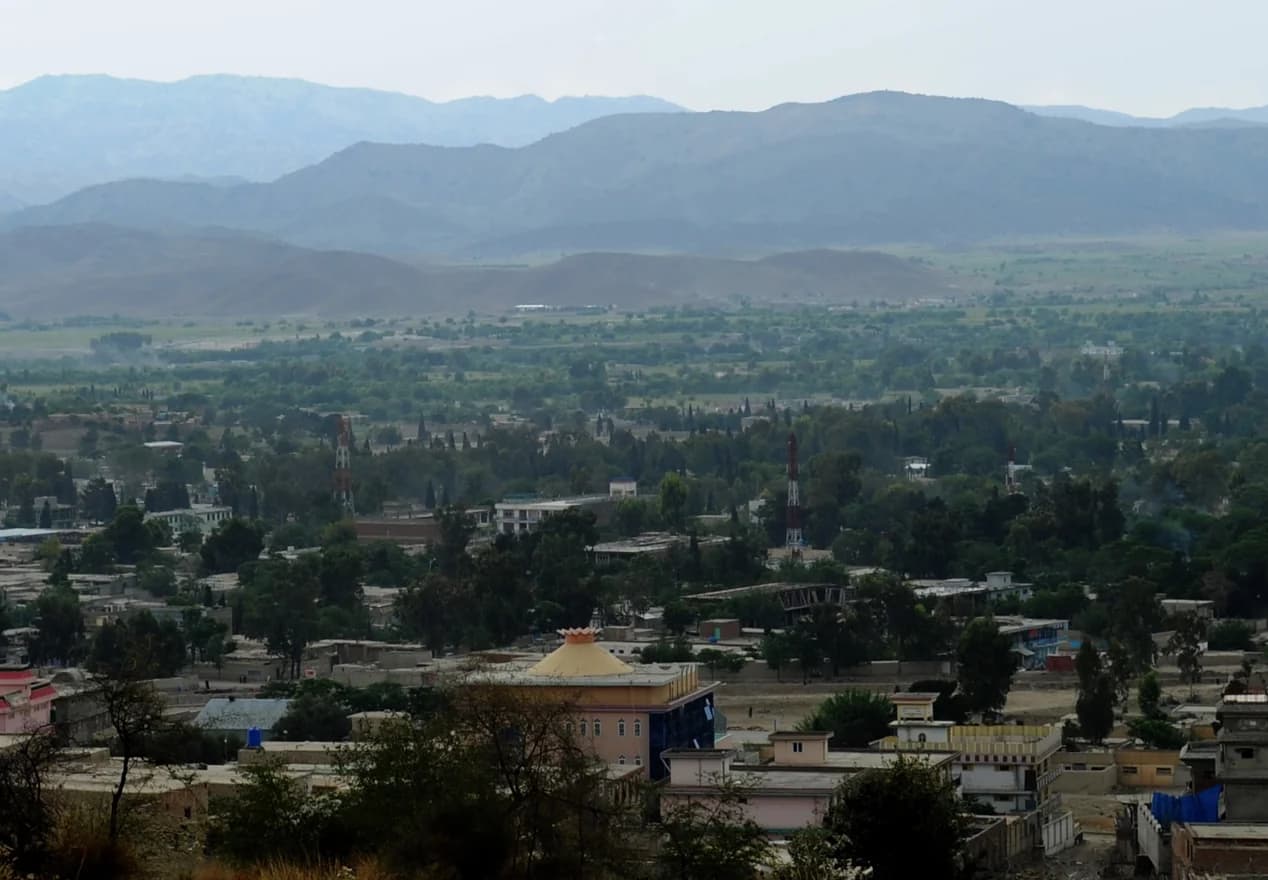
Khost valley and its surrounding mountains
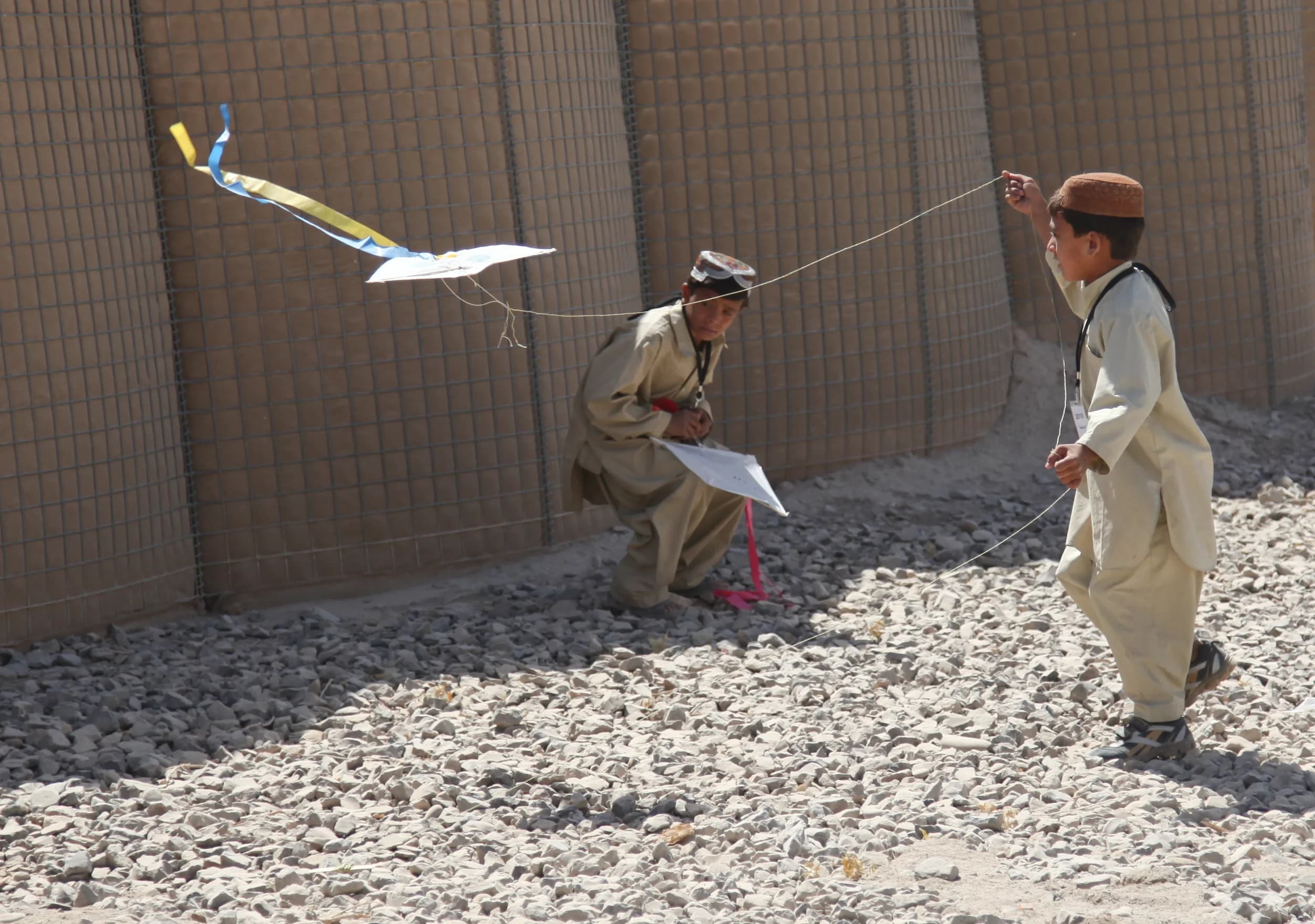
Children playing with a kite in a Kandahar village
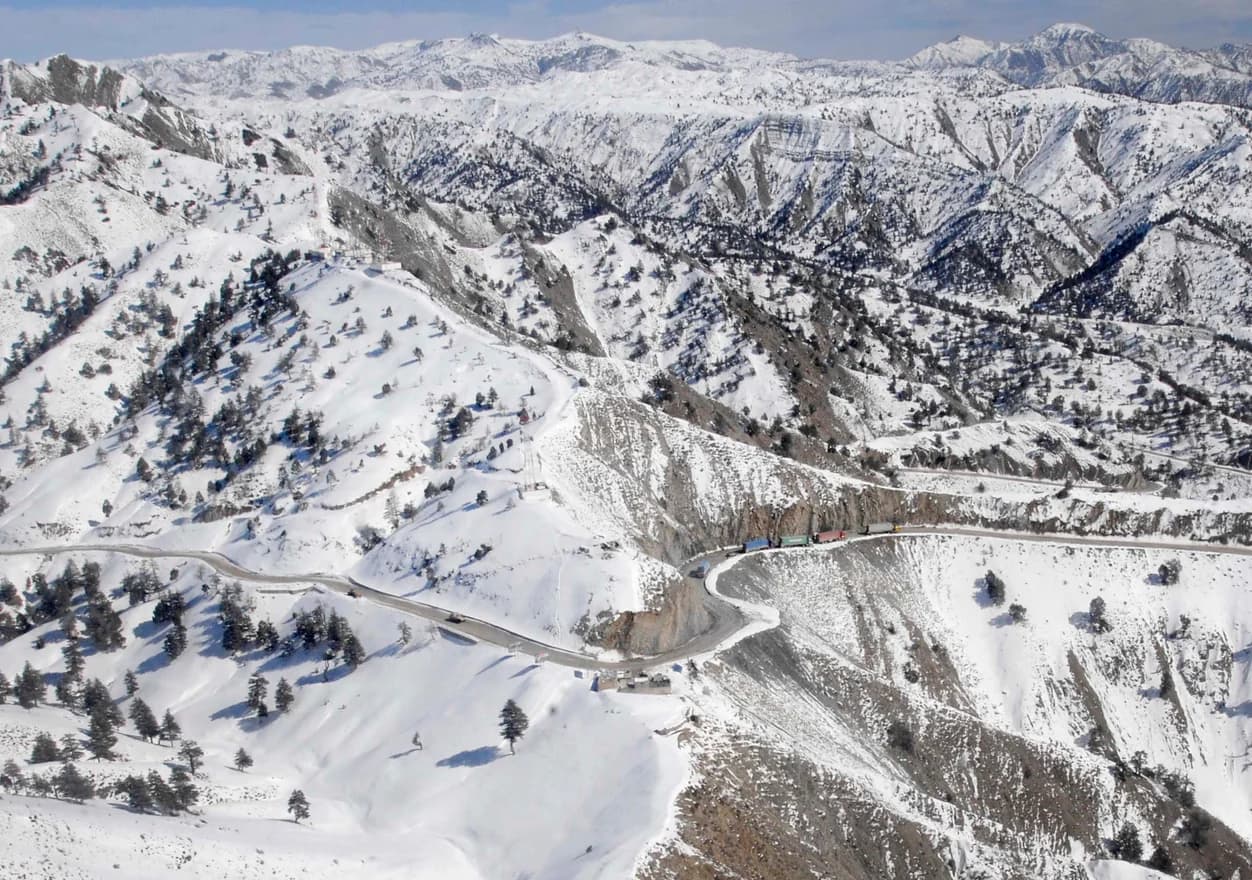
Snow-covered mountains on the Khost–Gardez pass
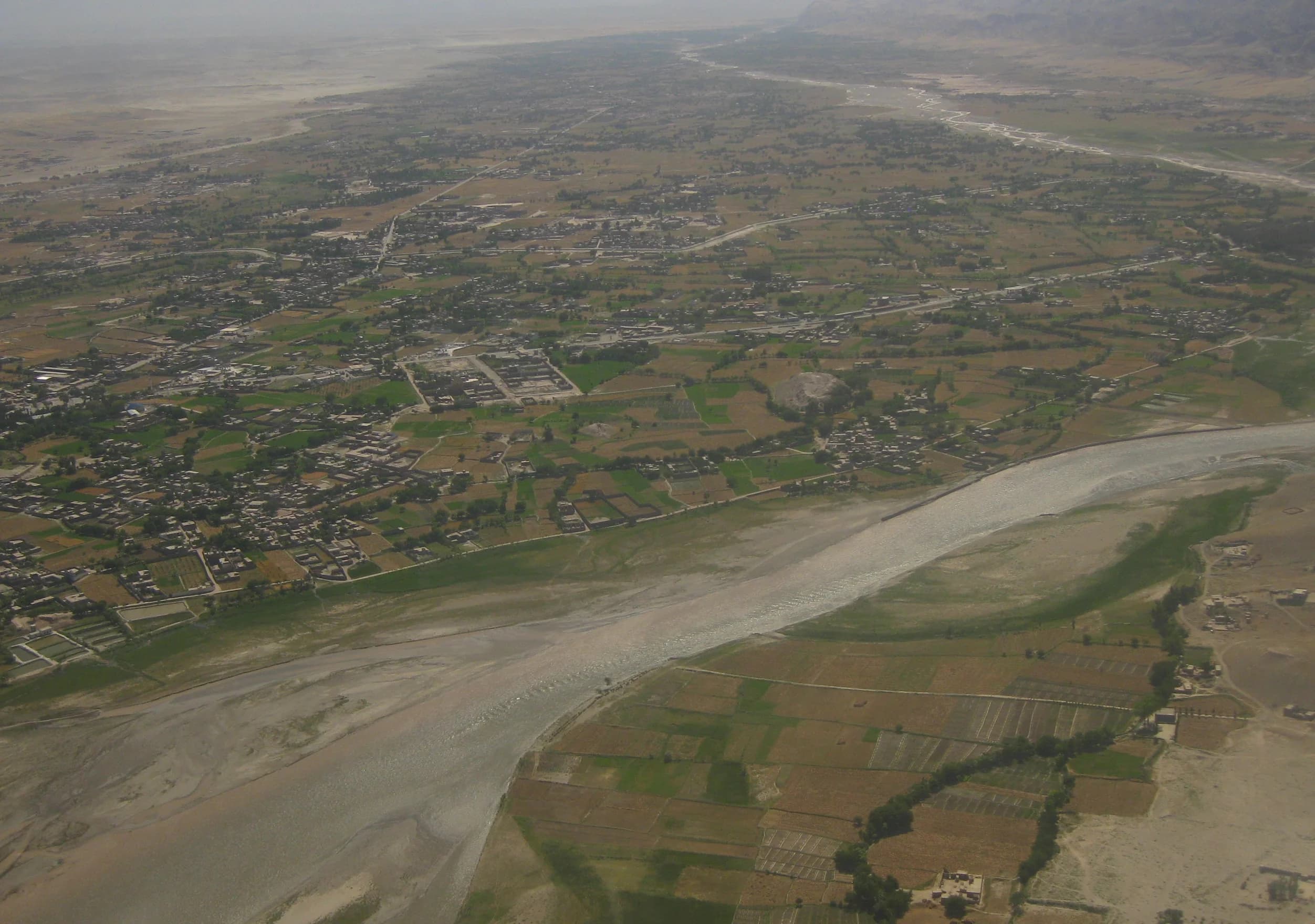
The river and cultivated landscape near Jalalabad
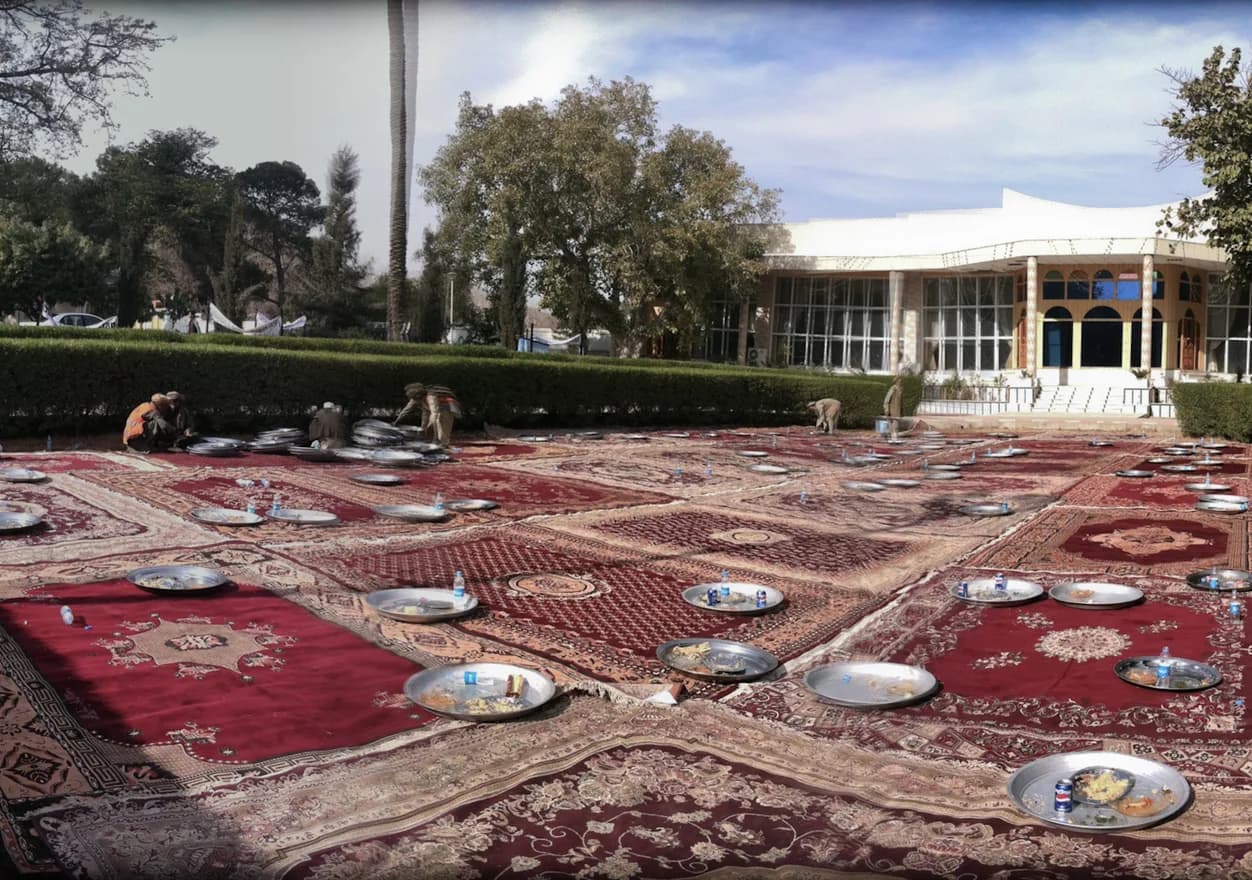
An outdoor meal shared on carpets in Jalalabad

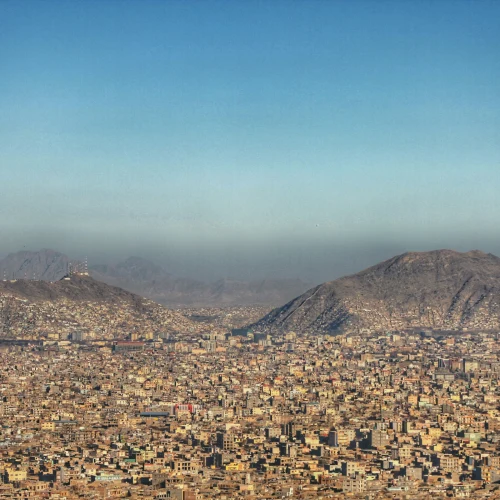
WHERE THEY LIVE. Pashtun communities are especially prominent in the south and east: Kandahar, Helmand, Nangarhar, Khost, Paktia, Paktika, Zabul and nearby areas. Communities also live in Kabul and across Afghanistan.

S&E

SOUTH & EAST
Strong historic presence

PS

PASHTO
Primary language

AF

ACROSS AFGHANISTAN
Communities throughout the country

KBL

KABUL
Communities in the capital

tra­di­tion­al cloth­ing

clothing & regional styles

Many men wear perahan tunban / shalwar kameez,
with waistcoats and regional headwear.

Long traditional dresses may feature embroidery,
regional patterns and jewelry, depending on the community.

Clothing styles, colors and embroidery vary
between regions and communities, as do accessories.

Weddings, celebrations and cultural occasions
may feature special clothing, with choices varying by family.

community
and values

An elder in a Kuchi community near Hutal, Kandahar
Ties

Practices vary by region and family.

Hospitality

Welcoming guests

Tea

Traditionally, welcoming guests is an important value in many Pashtun communities. Sharing tea or a meal can be part of this welcome.

Family Ties

Across generations

Kin

In many communities, family networks offer support and a sense of belonging. Relationships and responsibilities vary by household.

Respect for Elders

Experience & guidance

Care

Traditionally, elders are often valued for their experience and guidance. The ways families express this respect vary.

Local Customs

Everyday community life

Life

Greetings, gatherings and everyday customs reflect local traditions. Practices vary by region and family.

Community Traditions

Shared cultural heritage

Ties

In many communities, celebrations, poetry and storytelling bring people together and help pass cultural knowledge between generations.

traditions
& cultural identity

Pashtun cultural heritage includes social customs, poetry and community traditions. Their expression varies by region and family.

PASHTUNWALI

Traditional social and ethical code: hospitality, honor and community responsibility.

HOSPITALITY

An important cultural value in many Pashtun communities.

JIRGA

Traditional community council, historically used for discussion and local decisions.

POETRY & ORAL TRADITION

Pashto poetry and oral storytelling hold an important place in cultural heritage.

FAMILY & COMMUNITY

Family networks and community relationships are important parts of social life.

REGIONAL CUSTOMS

Local traditions reflect the diversity of Pashtun communities across Afghanistan.